
Iran ceasefire fragility keeps Trump on the hook
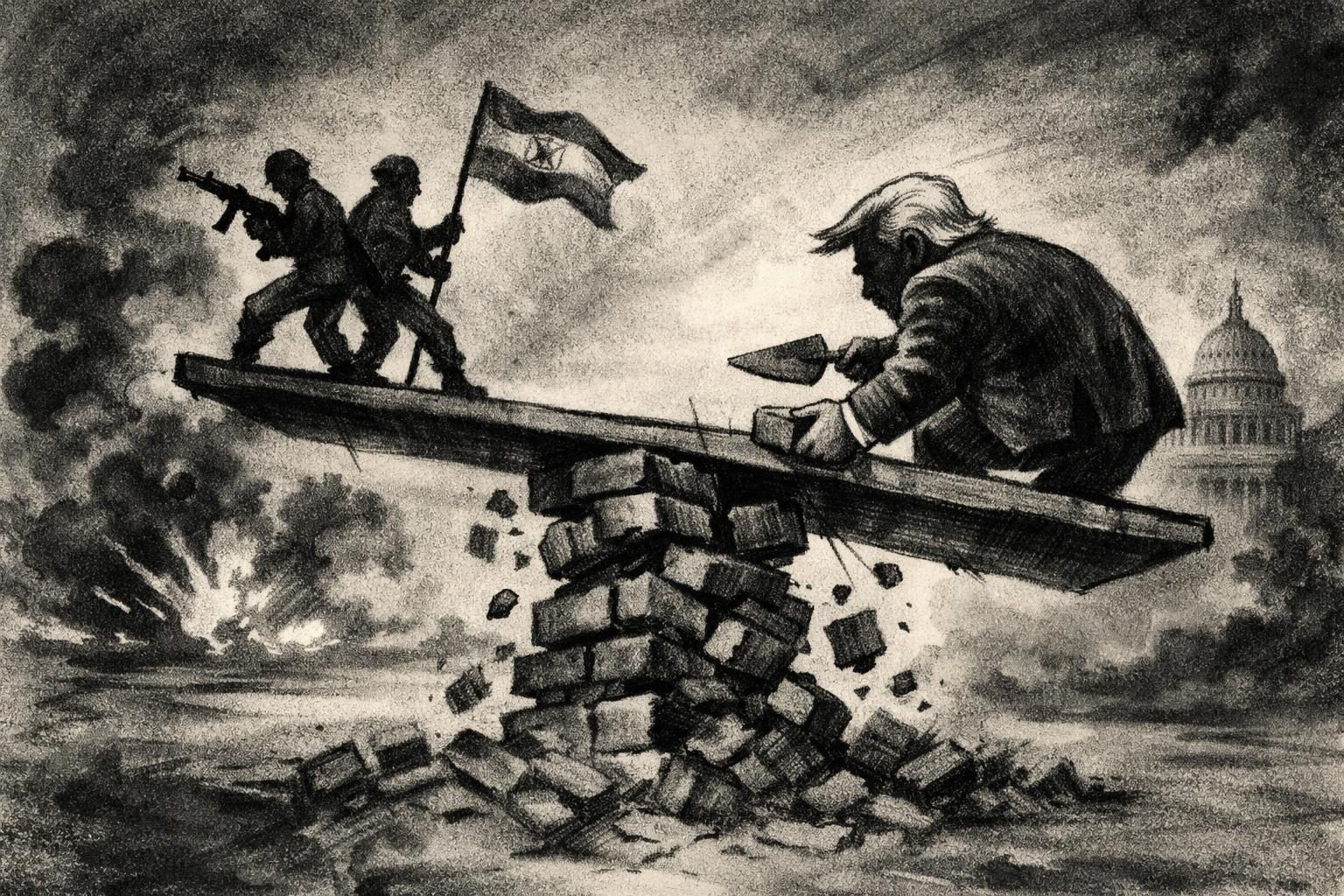
The Iran ceasefire that the Trump administration spent weeks pitching as proof of control is starting to look a lot more like a temporary pause in a still-active crisis. Fresh exchanges of fire have again raised fears that the region could slide back toward a broader war, and that is exactly the kind of development that makes the White House’s victory narrative harder to sell. Trump has framed the conflict as evidence that he can restore order by being aggressive, unpredictable, and, in his telling, just tough enough to make opponents back down. But a ceasefire that keeps wobbling does not read like settled strength for very long. It reads like a dangerous arrangement that is being held together by urgency, warning shots, and luck. Each new flare-up makes the original claim of control sound a little more like a slogan than a strategy.
That tension matters because the president’s political defense of the conflict depends on more than just the existence of a ceasefire. It depends on the idea that the administration has deterred Iran, protected American interests, and forced the other side to absorb the cost of escalation. The White House has repeatedly presented the situation as an example of peace-through-strength, a phrase that sounds cleaner when the fighting is over than when the ceasefire is still being tested in real time. The trouble is that every fresh exchange makes the truce look less like a durable settlement and more like a fragile arrangement that can snap under pressure. If the peace has to be reassembled every few days, then the administration cannot really point to a stable end state. It can only point to a temporary interruption in a conflict that still has plenty of fuel left.
The practical consequences are what give the political problem its bite. A region that remains volatile keeps investors nervous, keeps allies on edge, and keeps the United States exposed to the kind of miscalculation that can turn a limited confrontation into something much worse. Trump’s supporters may still prefer his hard-edged posture to the softer diplomacy they associate with other approaches, and that is part of why his argument retains some traction. But the downside is increasingly hard to ignore. If the same crisis keeps producing retaliation, alarms, and warnings of renewed fighting, then the claim that the administration has stabilized the situation gets weaker by the day. The White House wants the public to believe the president is managing the crisis through strength. The more the story lurches from one burst of violence to the next, the more it looks like he is managing the narration instead. That distinction is not trivial. People can live with hard decisions when those decisions actually change the picture. They get less patient when the result is just a more polished version of the same danger.
Critics have an easy opening here, and they do not need to make any dramatic leap to take it. If the ceasefire is so delicate that it can be threatened again almost immediately, then the administration’s talk of a durable strategic reset starts to sound inflated. The question becomes whether Trump truly reduced the threat or merely pushed it into a different phase that is still unstable and still capable of spiraling. That is an uncomfortable question for a president who likes tidy wins, clean labels, and the last word in any argument. It is also a difficult question for a White House that has leaned hard on the language of toughness and success. The renewed crossfire undercuts both at once. Even if the ceasefire holds for now, the repeated warnings have already exposed how narrow the margin is and how quickly confidence can evaporate. That does not look like a masterstroke. It looks like a risky bet that has not yet paid off in any durable way. And for Trump, who has built so much of his political identity around projecting control, the problem is that every new exchange invites the same blunt conclusion: if the war is still this unstable, then the crisis has not really been solved, only paused.
Comments
Threaded replies, voting, and reports are live. New users still go through screening on their first approved comments.
Log in to comment
No comments yet. Be the first reasonably on-topic person here.