
April 18 White House video recasts a March 13 signing as a polished scene
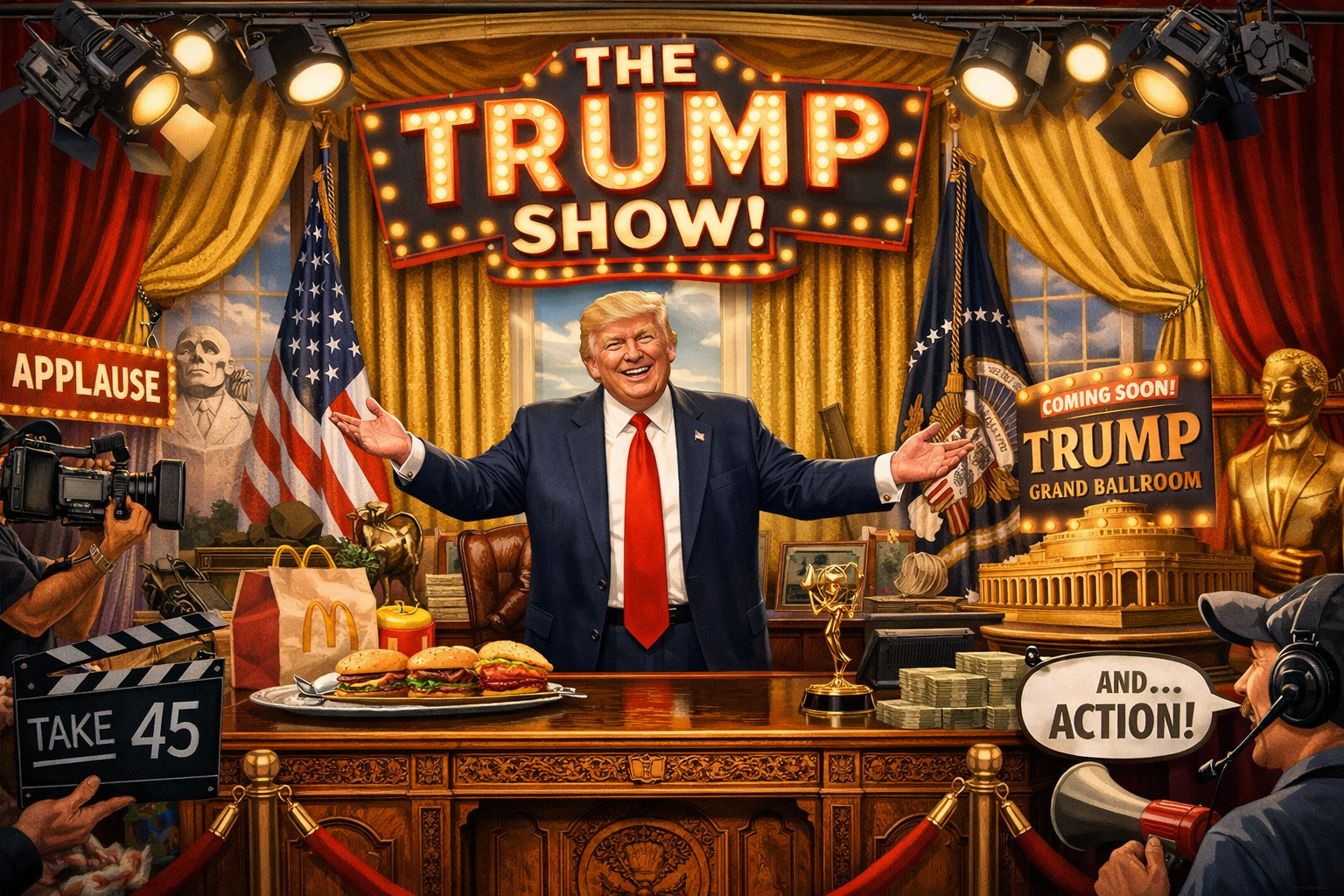
The White House posted a video on April 18, 2026 showing President Donald Trump signing an executive order. The important date, though, is the one already on the orders themselves: March 13, 2026. That is when Trump signed two housing-related executive orders, one titled "Removing Regulatory Barriers to Affordable Home Construction" and another titled "Promoting Access to Mortgage Credit." The video is not the governing act. It is the packaging of an earlier governing act.
That distinction matters because the White House is asking viewers to consume the moment twice. First, as policy. Second, as image. The orders deal with real housing issues, including regulatory barriers to construction and the cost and availability of mortgage credit. The text of the orders says the administration wants to expand home construction and improve access to mortgage lending, including by reducing burdens on community banks and other lenders. Those are substantive claims about how the housing market should work. But the April 18 video gives the policy a second life as a visual performance.
That kind of presentation is not illegal, and it is not unusual for a White House to film the president signing things. What makes this one notable is the gap between the March 13 action and the April 18 replay. The administration is not just documenting a decision. It is reissuing the decision as content, with the president centered, the room carefully framed, and the signature treated like the reveal. In practice, that makes the image do political work before a viewer ever gets to the details of the underlying orders.
The White House video page also places the clip alongside other signing videos from earlier this year and late last year, which suggests a repeatable visual format rather than a one-off upload. The pattern is easy to see: stage the room, spotlight the president, and turn the signature into the payoff. That is an analysis of the presentation, not proof of motive. But the effect is plain enough. A routine executive act becomes a branded moment, and the branding is doing a lot of the talking.
The substance behind the performance is not trivial. Housing affordability remains a live political issue, and the orders themselves say the administration wants to push more home construction and widen mortgage access. Still, the April 18 video shows how carefully the White House wants to control the public record of its own actions. The signing happened on March 13. The spectacle arrived more than a month later. What the White House presented on April 18 was not new law, but a new way to look at old law in motion. It is governing as replay, with the replay designed to feel like the event.
Comments
Threaded replies, voting, and reports are live. New users still go through screening on their first approved comments.
Log in to comment
No comments yet. Be the first reasonably on-topic person here.