
Trump’s tariff refund process is open, but only for some claims
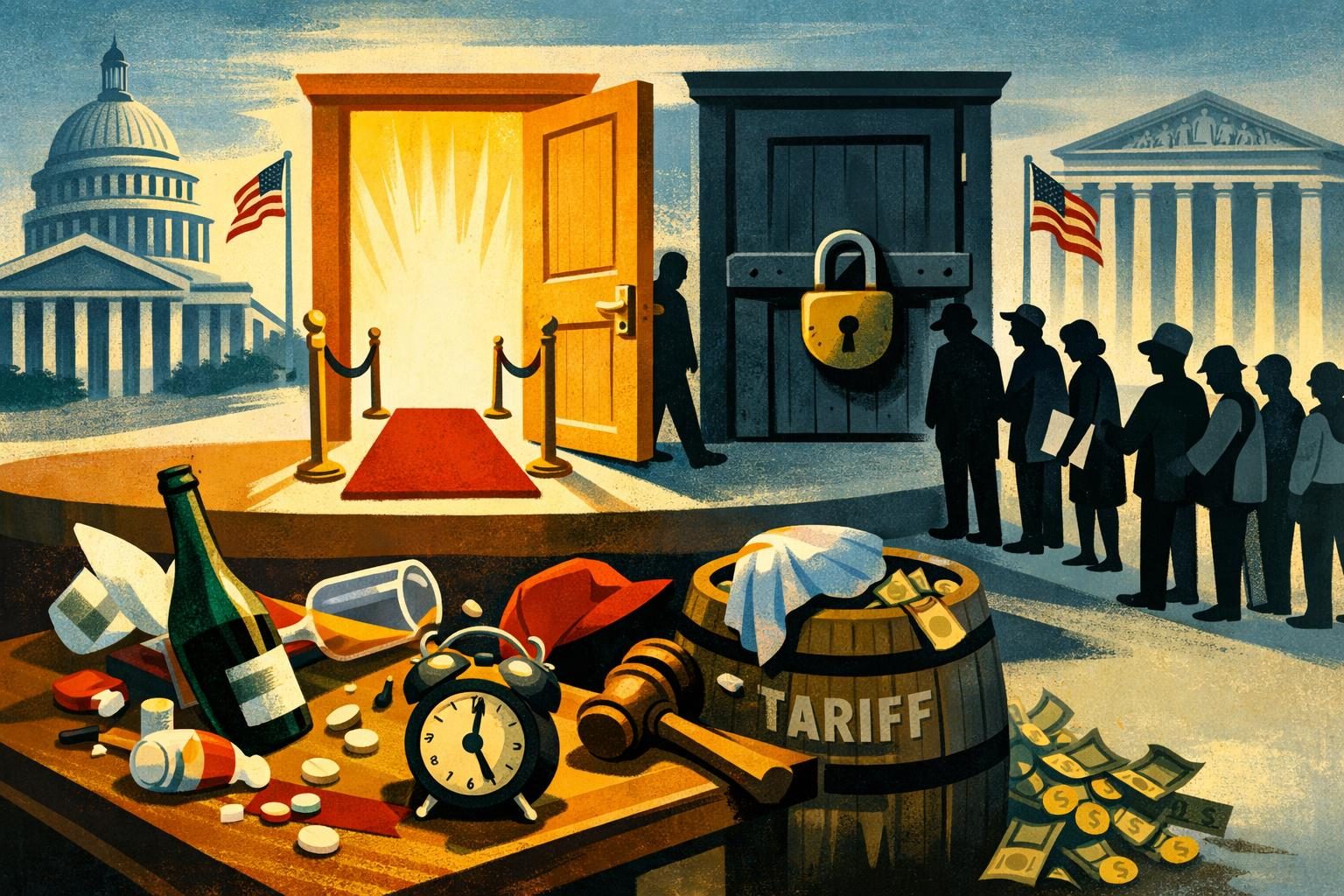
The tariff fight is now in the part of government nobody campaigns on: claims processing. On April 20, 2026, U.S. Customs and Border Protection said it was opening a phased process for tariff-refund claims tied to the Supreme Court’s Feb. 20, 2026 ruling on tariffs imposed under the International Emergency Economic Powers Act. The agency’s own framing matters here: this is not a universal payback line for every importer or every duty.
CBP and court filings have pointed to a staged rollout, with the government focusing first on eligible claims and, according to reporting on the process, the more recent tariff payments. That makes the practical question less about whether refunds exist in the abstract and more about which entries qualify, what paperwork can support a claim, and how long the agency takes to decide whether to issue money back. For importers, the work is procedural, not political.
The legal backdrop is separate from the refund machinery. The White House issued multiple tariff-related actions on Feb. 20, 2026, including a temporary import surcharge, a continuation of the suspension of duty-free de minimis treatment for all countries, and an order ending certain tariff actions. Those steps were distinct policy moves. The refund process announced on April 20 applies to the duties affected by the Supreme Court ruling and the customs procedures built around it, not to every trade action the administration has taken.
That is the gap between the slogan and the spreadsheet. The administration still talks about tariffs as leverage. CBP, meanwhile, is handling the cleanup in phases, with claimants now having to match each entry to the rules that actually survived, or did not survive, the court fight. For companies that paid the duties, the next step is not cheering or complaining. It is documentation.
Comments
Threaded replies, voting, and reports are live. New users still go through screening on their first approved comments.
Log in to comment
No comments yet. Be the first reasonably on-topic person here.