
Comey indictment turns a post into a presidential threat case
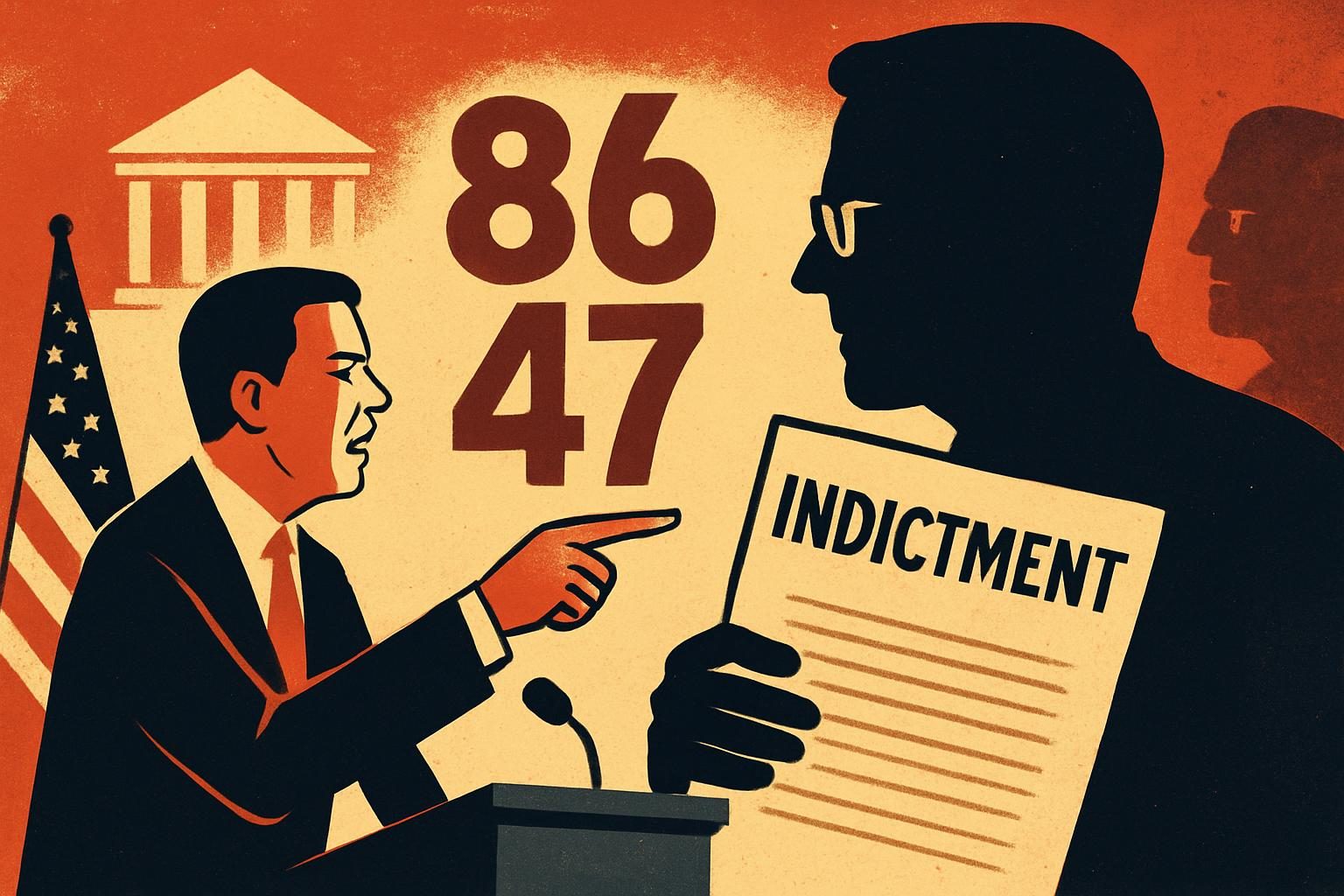
James Comey is now facing a federal criminal case built around a post that the government says crossed a legal line. On April 28, 2026, a grand jury in the Eastern District of North Carolina returned an indictment charging the former FBI director with two counts tied to a May 15, 2025 Instagram post that showed “86 47.” The Justice Department says the post amounted to threats to harm President Trump. The indictment and the department’s release say the government believes a reasonable recipient would read the message as a serious expression of intent to do harm.
The official position is blunt: this was not political commentary, but conduct prosecutors say falls within federal threat statutes. Attorney General Pam Bondi and FBI Director Kash Patel both framed the case in public statements as a law-enforcement response to a threat against the president. The indictment is still only an accusation, and Comey remains presumed innocent. But the charging documents make clear that prosecutors are not treating the post as a stray online gesture; they are treating it as the alleged basis for criminal liability.
The politics around the case are less settled than the charging theory. Comey has been one of Trump’s most prominent antagonists for years, and that history has made the indictment immediately combustible in Washington. Critics are already reading it as retaliation. Supporters say motive is beside the point if prosecutors believe the post met the legal standard for a threat. That split is now part of the story whether anyone involved likes it or not.
The larger argument will likely stay stuck on two questions at once: what the post meant, and why this case was brought now. The first question belongs to the court. The second belongs to the politics surrounding the Trump Justice Department, which is under pressure to show that its enforcement decisions are driven by the facts on the page, not the names attached to them. For now, the indictment does what indictments always do: it turns an allegation into a public test, without resolving the facts themselves.
Comments
Threaded replies, voting, and reports are live. New users still go through screening on their first approved comments.
Log in to comment
No comments yet. Be the first reasonably on-topic person here.