
Trump adds new Cuba sanctions to a pressure campaign launched in January
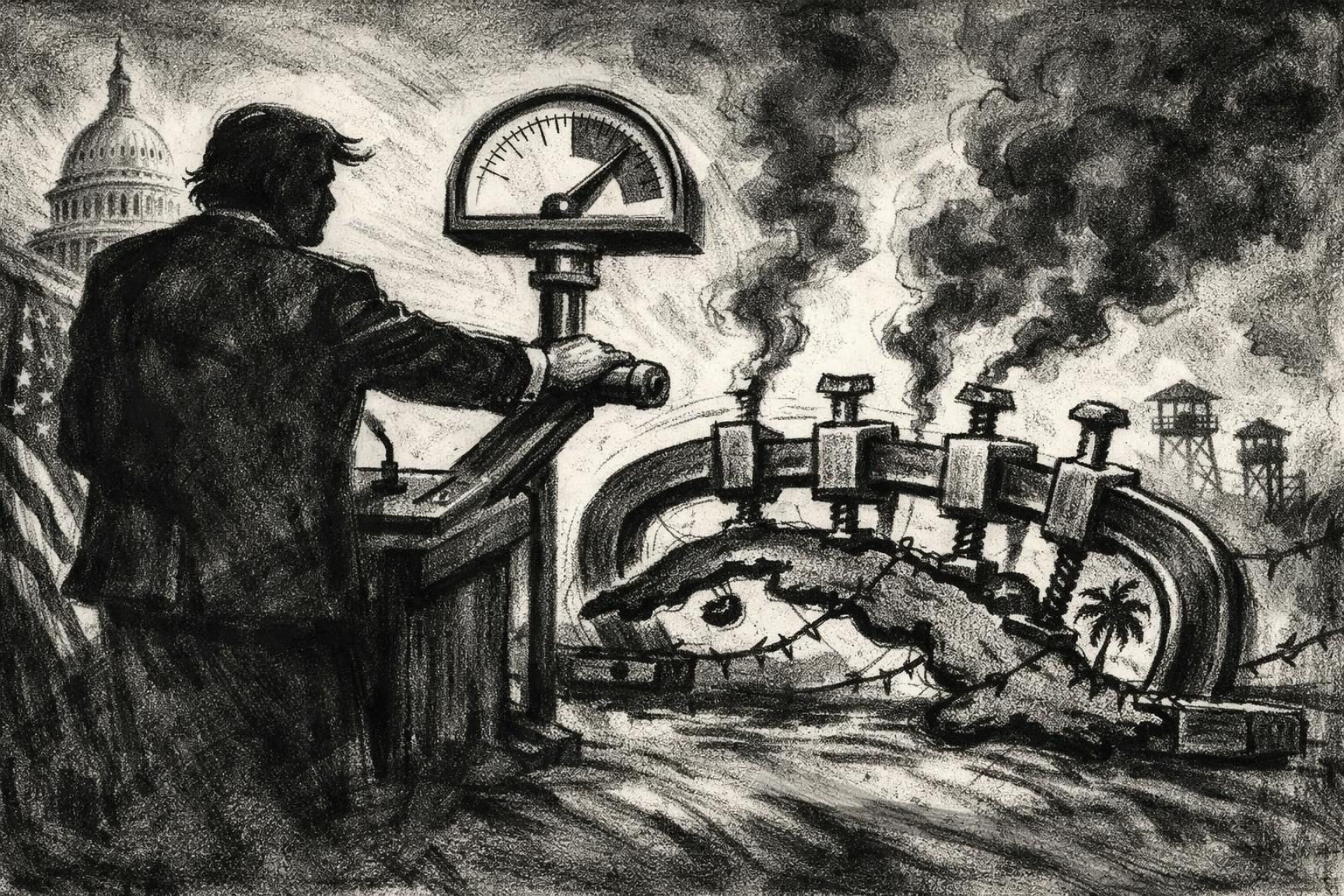
President Trump’s latest Cuba action is not a standalone move. It is the May 1, 2026 sanctions order that the White House says targets people tied to repression in Cuba and to threats against U.S. national security and foreign policy, layered on top of the January 29, 2026 emergency declaration on Cuba. Taken together, the two actions keep Cuba inside a pressure-first framework that the administration says is meant to protect U.S. interests and force change in Havana. ([whitehouse.gov](https://www.whitehouse.gov/presidential-actions/2026/05/imposing-sanctions-on-those-responsible-for-repression-in-cuba-and-for-threats-to-united-states-national-security-and-foreign-policy/?utm_source=openai))
The May 1 order expands the tools available to punish conduct the administration says supports the Cuban government. The White House says it can be used against people responsible for repression, corruption, or material support to the regime, while the January order declared a national emergency over what the president called an unusual and extraordinary threat from the Cuban government. That is the factual core of the policy: one emergency declaration in January, one sanctions order in May, both aimed at tightening economic and diplomatic pressure. ([whitehouse.gov](https://www.whitehouse.gov/presidential-actions/2026/05/imposing-sanctions-on-those-responsible-for-repression-in-cuba-and-for-threats-to-united-states-national-security-and-foreign-policy/?utm_source=openai))
Politically, the formula is easy to understand. The White House gets to describe the move as a national-security response, not just a punishment. That gives the administration a clean message for domestic consumption: Cuba is a hostile actor, the response is forceful, and the president is acting before the problem grows. Reuters reported on the May 1 action the same day, describing it as an expansion of sanctions on the Cuban government and affiliates. ([investing.com](https://www.investing.com/news/world-news/trump-expands-us-sanctions-on-cuban-government-4653911?utm_source=openai))
The harder question is what the policy produces beyond the announcement. Sanctions can create real costs for the people and entities named in them, but they can also narrow the room for later bargaining if the administration wants to test a different course. The White House’s own January order says the president may modify the Cuba policy if Havana takes significant steps to address the declared emergency and align with U.S. national security and foreign policy goals. That leaves a door open in theory, even as the overall posture points toward more pressure rather than less. ([whitehouse.gov](https://www.whitehouse.gov/presidential-actions/2026/01/addressing-threats-to-the-united-states-by-the-government-of-cuba/?utm_source=openai))
That is why the Cuba file now looks less like a one-off sanction and more like a sustained campaign. The administration has put the emergency language in place, added a sanctions order in May, and signaled that future action is still on the table. Whether that produces leverage in Havana or just more friction in the relationship remains an open question. The facts so far are narrower than the rhetoric: one emergency declaration, one sanctions order, and a White House that is betting pressure will do what diplomacy has not. ([whitehouse.gov](https://www.whitehouse.gov/presidential-actions/2026/01/addressing-threats-to-the-united-states-by-the-government-of-cuba/?query-11-page=3&utm_source=openai))
Comments
Threaded replies, voting, and reports are live. New users still go through screening on their first approved comments.
Log in to comment
No comments yet. Be the first reasonably on-topic person here.