
Trump’s drug push ties tariffs, pricing deals and U.S. investment together — but the fine print still drives the outcome
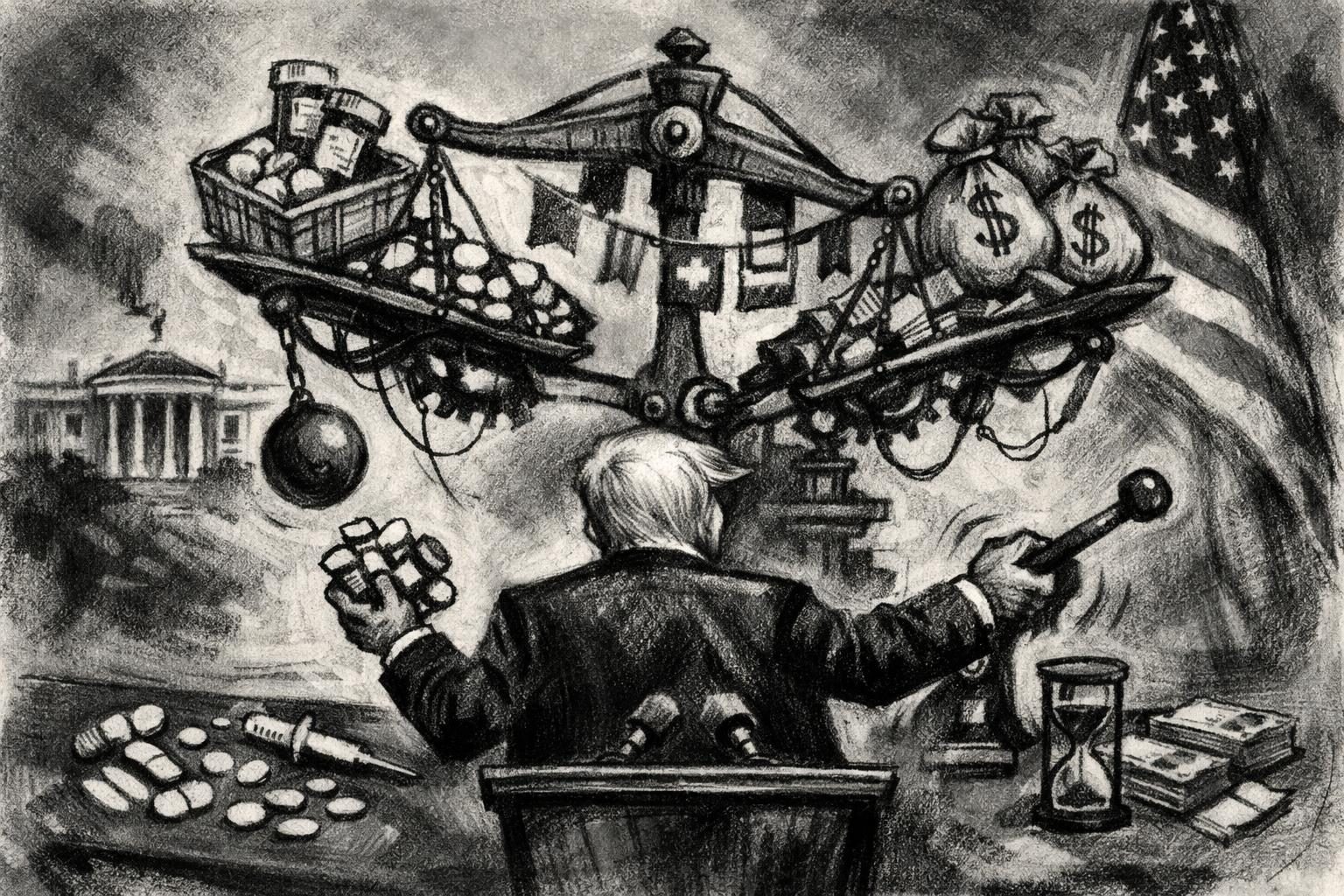
The White House is trying to sell a single story about drug policy: squeeze foreign-made pharmaceuticals, force lower prices, and pull manufacturing back into the United States. The paper trail is real, but it is not a single clean plan. It is a section 232 proclamation issued on April 2, 2026, a Regeneron pricing deal announced on April 23, and a savings report published on May 5. The administration wants those pieces to read as one campaign. The documents show a more conditional arrangement.
The April 2 proclamation says the Commerce Department found imported pharmaceuticals and associated ingredients threatened national security and that the president was taking a plan-of-action approach under section 232. It sets a 100% ad valorem duty on patented pharmaceuticals and associated ingredients listed in Annex I, a 20% rate for companies with approved plans to onshore production, and a zero-tariff lane for companies that have fully executed MFN pricing and onshoring agreements or are negotiating those agreements with Commerce and Health and Human Services. The proclamation also says the tariff treatment can be adjusted over time, and that generic drugs and biosimilars are not covered at this stage. ([whitehouse.gov](https://www.whitehouse.gov/presidential-actions/2026/04/adjusting-imports-of-pharmaceuticals-and-pharmaceutical-ingredients-into-the-united-states/))
That structure matters. The White House is not describing an across-the-board import wall. It is building an annex-driven system that sorts products and companies into different buckets depending on whether they are covered by the annexes, whether they have approved onshoring plans, and whether they have signed or are actively negotiating MFN-related agreements. The proclamation also points to existing trade deals and future pharmaceutical arrangements as part of the same framework, which makes the policy look less like one tariff and more like a lever the administration can keep pulling. ([whitehouse.gov](https://www.whitehouse.gov/presidential-actions/2026/04/adjusting-imports-of-pharmaceuticals-and-pharmaceutical-ingredients-into-the-united-states/))
The Regeneron fact sheet shows how the pricing side fits into that setup. The White House says the April 23 deal gives every state Medicaid program access to MFN prices on Regeneron products, guarantees MFN pricing on new medicines the company brings to market, and requires Regeneron to repatriate increased foreign revenue on existing products that the company realizes under the administration’s trade policy. The same fact sheet says Regeneron will invest $27 billion in U.S. research, development and manufacturing by 2029. ([whitehouse.gov](https://www.whitehouse.gov/fact-sheets/2026/04/fact-sheet-president-donald-j-trump-announces-deal-with-regeneron-to-bring-most-favored-nation-pricing-to-american-patients/))
The savings report published on May 5 is the administration’s own scorecard for the broader MFN framework. It says voluntary MFN agreements with 17 manufacturers could generate $529 billion in domestic savings over 10 years across all markets, and that existing-drug MFN pricing for state Medicaid programs could save $64.3 billion in federal and state spending over the same period. Those are projected savings, not money already banked, and the report makes clear they depend on the voluntary framework the White House is still trying to lock in and, ultimately, codify. ([whitehouse.gov](https://www.whitehouse.gov/research/2026/05/savings-from-most-favored-nation-drug-pricing-policy/))
The policy’s real design is in the trade-offs. Companies that sign on to the White House’s MFN and onshoring terms can avoid tariffs. Companies that present approved domestic production plans get a lower tariff for now, although the proclamation says that rate rises to 100% four years after the April 2 order. And companies outside those lanes face the full duty on covered products. That is less a simple protectionist strike than a bargaining system with deadlines, exemptions and administrative discretion built in. ([whitehouse.gov](https://www.whitehouse.gov/presidential-actions/2026/04/adjusting-imports-of-pharmaceuticals-and-pharmaceutical-ingredients-into-the-united-states/))
The White House is using that structure to argue that drug prices and domestic manufacturing can be pushed in the same direction. Maybe. But the documents show a policy that depends heavily on who qualifies, who signs, when the tariffs actually bite, and how far the administration is willing to stretch its own exceptions. The message is simplicity. The machinery is not.
Comments
Threaded replies, voting, and reports are live. New users still go through screening on their first approved comments.
Log in to comment
No comments yet. Be the first reasonably on-topic person here.