
Trump’s banking order wants free-market fairness, but it sounds like a political complaint
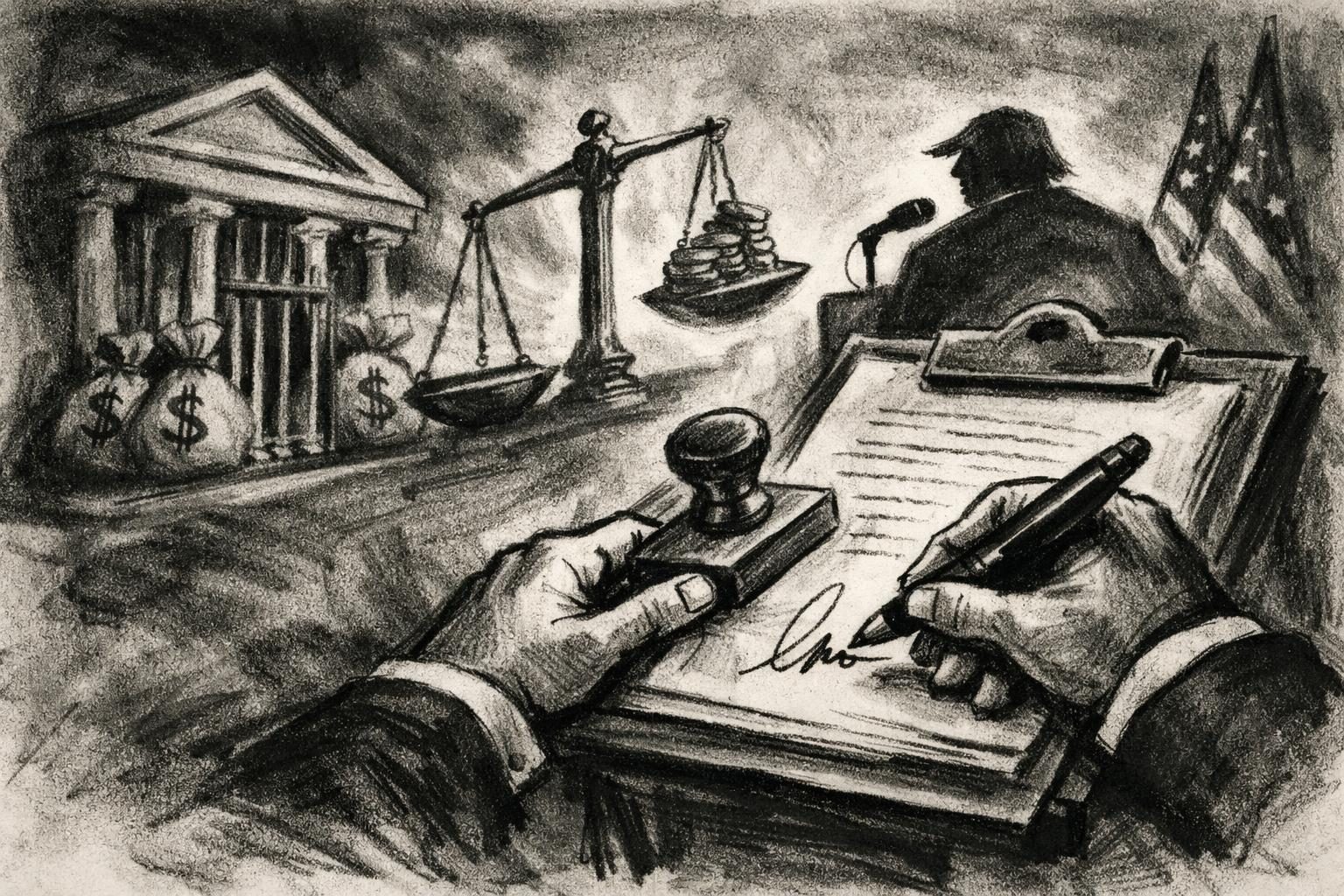
On May 19, the White House unveiled an executive order that says it is meant to restore integrity to the financial system by stopping banks and regulators from denying services based on political beliefs, religious beliefs, or lawful business activity. The administration says the order is also intended to end what it calls “Operation Choke Point 2.0,” a phrase that frames the issue as a coordinated effort by federal actors to pressure banks into shutting out disfavored customers. At the core of the pitch is a straightforward idea: financial institutions should not use ideology as a hidden risk factor, and regulators should not quietly encourage that behavior either. In that sense, the order is aimed at something real and potentially important. But the way the White House is presenting it makes the whole thing sound less like a policy correction and more like a grievance filing with a presidential seal.
That tension matters because access to banking is not some niche fight for a few loud partisans. It affects digital asset firms, small businesses, faith-based groups, and any number of customers whose business models or public views can make them easy targets for de-risking. Large banks have enormous power in this space, and when they decide a customer is more trouble than it is worth, the practical consequences can be severe. If the administration is right that some firms were improperly denied services or quietly pushed out of the system for reasons that had little to do with actual legal risk, then there is a legitimate regulatory problem here. A government that claims to defend fair competition should want a financial system that is not quietly sorted by politics behind closed doors. But the White House is also wrapping that concern in a much broader, more combative story that casts prior regulators as ideological actors and makes the dispute sound like a culture-war vendetta.
That broader framing is where the politics start to muddy the policy. A serious fix would explain exactly what conduct is being prohibited, which agencies are being told to change course, and how examiners are supposed to distinguish between legitimate risk management and discriminatory gatekeeping. Instead, the administration is leaning on sweeping language about politically disfavored customers and lawful business activity, which may be accurate in some cases but also leaves plenty of room for confusion. If the problem is that some institutions were overly cautious, then the remedy should be precise and durable. If the problem is that regulators exceeded their authority, then the administration should identify the specific rules, memos, or enforcement practices that need to be reversed. By making the issue sound at once broad, personal, and historically loaded, the White House may be helping its supporters feel vindicated while making it harder for everyone else to tell where the real line is.
That is the central Trump problem with this order: the underlying complaint can be valid, but the delivery system is almost designed to make it look like a personal score-settling exercise. Trump and his team have a habit of taking a substantive bureaucratic issue and turning it into a moral drama about enemies, victims, and vindication, with the president cast as the only person strong enough to break the conspiracy. Supporters will argue that this is simply blunt political communication and that the administration is finally pushing back against ideological discrimination in finance. Critics will say the order is yet another example of Trump converting a real grievance into a performance, one that fuses policy, resentment, and self-mythology into the same press release. Both readings have some truth to them. The problem is that financial regulators need credibility to police both unlawful discrimination and legitimate risk, and that credibility gets weaker when every reform is sold as proof that the system was corrupted by enemies. The policy may survive the rhetoric, but the rhetoric is doing it no favors.
There is also a practical cost to the White House’s style of argument. When every institutional dispute is described as evidence of persecution, it becomes harder to separate actual abuse from political theater. That is bad for banks that need clear standards, bad for regulators that need a stable rulebook, and bad for customers who simply want access to financial services without becoming symbols in someone else’s fight. The administration appears to believe it is making the case for neutral treatment and fair access, and that may be a defensible goal. But the messaging keeps dragging the order back toward the personality-driven politics that have defined so much of Trump’s governing style. The result is an executive action that may contain legitimate deregulatory ambitions while still sounding like a memo from a campaign that never quite ended. In other words, the White House may be trying to fix a real banking problem, but it is doing so in a way that invites people to wonder whether the administration is reforming the system or simply relitigating old grudges through federal power.
Comments
Threaded replies, voting, and reports are live. New users still go through screening on their first approved comments.
Log in to comment
No comments yet. Be the first reasonably on-topic person here.