
Trump’s financial rule push looks like a gift to crypto and banking insiders
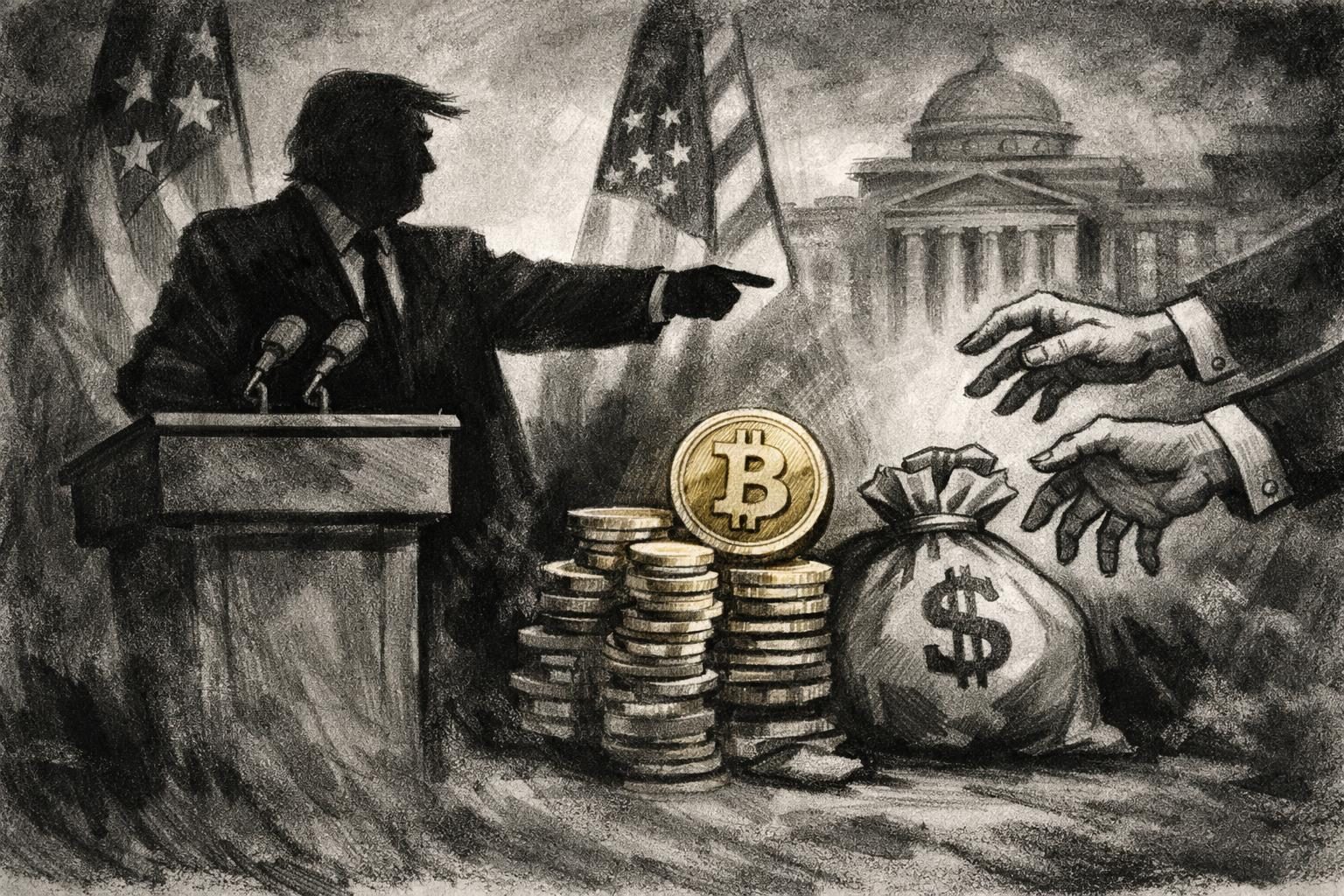
On May 19, Trump signed an executive order that puts federal regulators on notice to review the rules, guidance and supervisory habits that can slow down fintech firms, digital-asset businesses and other nonbank financial players. The order does not itself change banking law or create new legal rights. What it does is direct agencies to examine where regulation may be getting in the way of competition, new products and wider participation in the financial system.
The order’s language is not a blank check. It says the government should weigh innovation alongside safety and soundness, consumer and investor protection, market integrity and financial stability. That balancing clause matters. It makes clear the White House is not formally discarding oversight. But the document still points in one direction: fewer barriers, faster approvals and more room for firms outside the traditional banking perimeter.
The same order also tells the Federal Reserve to review the framework for access to Reserve Bank payment accounts and payment services for uninsured depository institutions and certain nonbank financial companies, including firms involved in digital assets and other novel activities. It asks the Fed, if current law allows, to consider transparent application procedures for direct access by covered firms. That is not the same as granting access. It is an instruction to reexamine the gatekeeping process and to report back on what could be opened up.
That distinction is the key to understanding the political effect of the move. The White House is not flipping a switch. It is steering the bureaucracy toward a friendlier posture for a set of firms that have long argued the system favors incumbents. If the follow-through produces easier pathways into payments, account access or supervisory treatment, the likely winners will be the companies with the money and legal teams to move quickly.
The administration says the goal is modernization and competition. Critics will hear something else: a top-down effort to relax the referees while handing more leverage to industries with strong political connections and a lot at stake in how the rules get written. The order may not deliver immediate benefits to crypto or banking insiders, but it gives them a clear opening to lobby for them.
Comments
Threaded replies, voting, and reports are live. New users still go through screening on their first approved comments.
Log in to comment
No comments yet. Be the first reasonably on-topic person here.