
Trump order pushes regulators to revisit fintech access to Fed payment systems
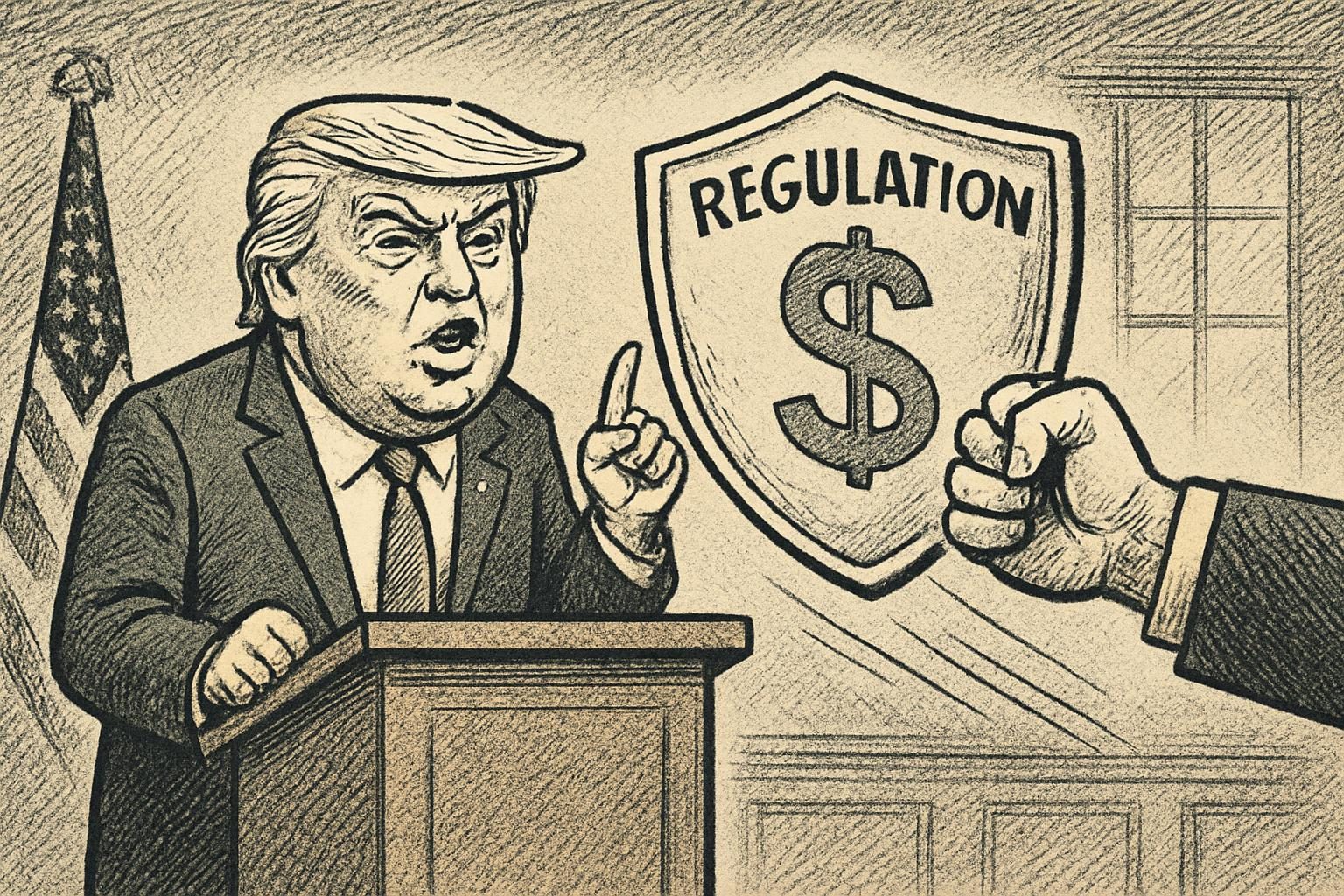
Trump’s latest move on financial regulation is aimed less at headlines than at the systems that keep money moving. In an executive order signed May 19, the White House directed federal financial regulators to take another look at rules, guidance, supervisory practices, and application procedures that may be limiting fintech firms. The order also tells the Federal Reserve to assess the legal and policy framework for direct access to Reserve Bank payment accounts and payment services for uninsured depository institutions and nonbank financial companies. It does not itself grant those firms access to the Fed’s plumbing. Instead, it orders a review, asks for options, and insists that any changes remain inside existing law and risk controls. That distinction matters, because the difference between encouraging competition and actually opening the gate is where the political and legal fight is likely to unfold.
The order is broader than a simple gesture toward innovation. It directs agencies to look for rules and practices that may be holding back fintech partnerships with banks, credit unions, broker-dealers, investment advisers, and futures commission merchants. It also tells regulators to examine whether application processes for bank charters, credit union charters, deposit or share insurance, and other federal licenses could be streamlined for eligible fintech firms. The administration is casting the effort as a way to reduce unnecessary barriers to entry while still accounting for safety and soundness, consumer and investor protection, market integrity, financial stability, and effective oversight. That balancing act is central to the whole exercise. Fintech companies and their allies have long argued that the regulatory system can be slow, fragmented, and too protective of incumbents. Banks and supervisors, meanwhile, have warned that easier entry should not mean weaker controls, especially when firms want access to critical financial infrastructure or want to operate with bank-like privileges without bank-like obligations.
The Fed piece is the one likely to matter most if the order turns into anything concrete. The White House asked the central bank to study the legal authority behind direct access to Reserve Bank payment accounts and services, identify any legal barriers, and consider options for expanding access if the law allows it. It also wants the Fed to address whether each of the 12 Reserve Banks can make those decisions independently and, if so, how standards could be kept consistent across the system. That is not a minor administrative question. Access to Reserve Bank payment services is access to the core machinery of the U.S. financial system, where payments are cleared and settled. If the Fed finds that existing law permits broader access, the order asks for transparent application procedures and for complete applications to be decided within 90 days. But that timeline is only relevant if the legal and policy thresholds are cleared first, which is far from certain.
The Federal Reserve’s initial response underscores how much remains unresolved. The central bank made clear that it will continue to operate within the legal framework that already governs access to its accounts and services, which means the White House cannot simply command a widening of the gate. That leaves the administration trying to pressure agencies to justify current limits without overruling the safeguards built into the system. The practical questions are sizable. Direct access can raise concerns about compliance, operational resilience, fraud prevention, and the broader effect on financial stability if a firm with access runs into trouble. It can also raise questions about supervisory reach, because the closer a nonbank gets to the Fed’s infrastructure, the more policymakers have to decide who is responsible for monitoring risk and how quickly problems would be contained. For that reason, the fight is not just about competition or innovation in the abstract. It is about whether regulators can widen access without creating a weaker, riskier version of the payment system, and whether the law gives them room to do so in the first place.
Comments
Threaded replies, voting, and reports are live. New users still go through screening on their first approved comments.
Log in to comment
No comments yet. Be the first reasonably on-topic person here.