
Tariff litigation stays live as courts sort two separate cases
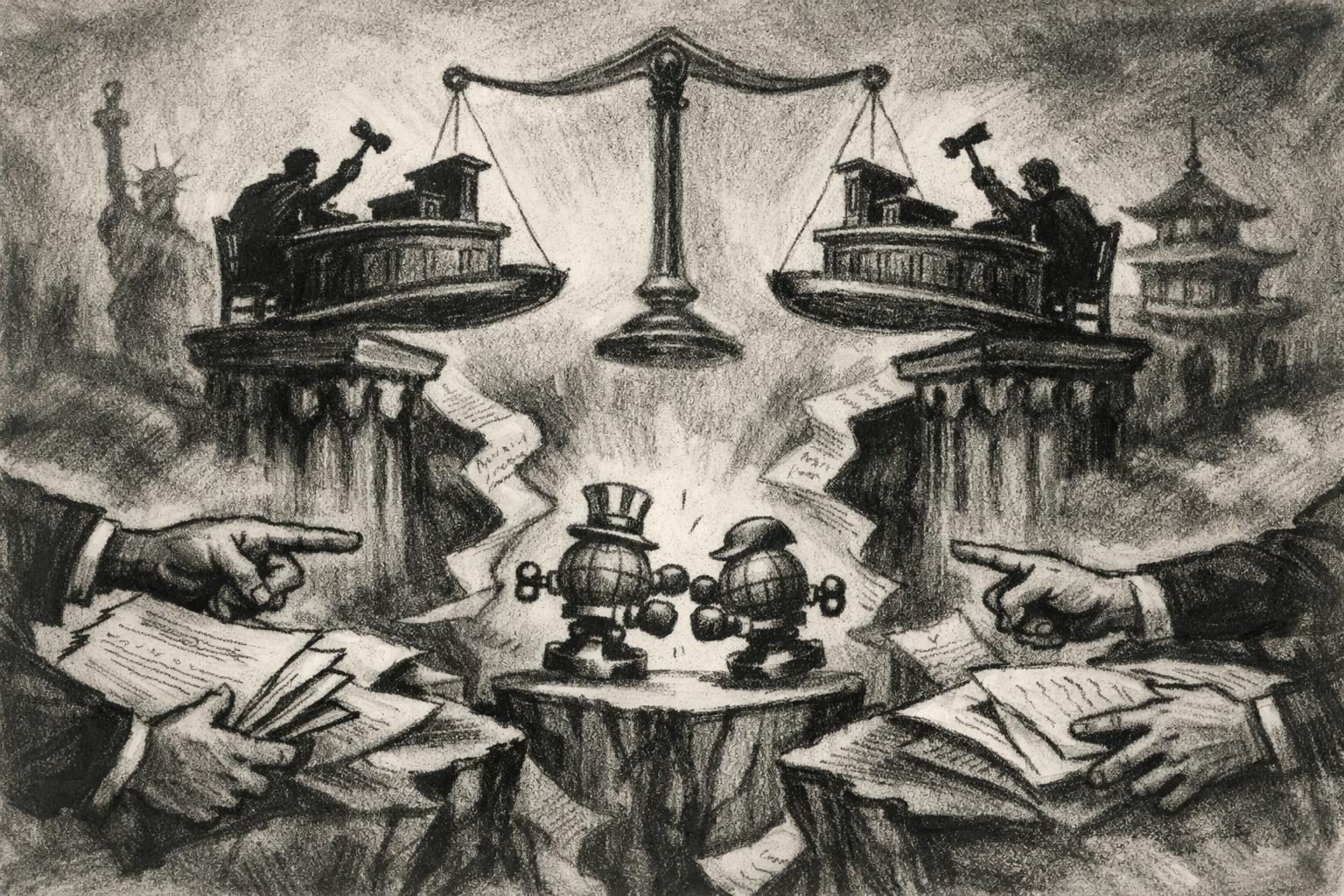
The tariff wars are still in court, but the latest paper trail is easy to misread if the cases are run together. One order, dated March 2, 2026, from the Federal Circuit, dissolved a stay of mandates in the earlier V.O.S. Selections appeal. Another, dated May 20, 2026, from the Court of International Trade, denied the government’s request to stay enforcement of judgment in a separate challenge to tariffs imposed under Section 122 of the Trade Act of 1974. Those are related in subject, not the same procedural event.
That distinction matters. The Federal Circuit order dealt with whether the appellate mandates in the earlier case should issue immediately. The trade court’s May ruling addressed a different tariff program altogether: Proclamation No. 11012, which imposed a temporary import surcharge under Section 122. The court said that judgment invalidating the proclamation would not be stayed while the government appealed. In other words, the legal fight did not end with the initial ruling; it moved to the next question of whether the government could keep enforcing the duties during appeal.
The result is a familiar pattern for tariff policy under this administration: a broad trade action goes into effect, challengers head to court, and the litigation turns on what the president can do under the statute being invoked. Here, the statute is Section 122, which the trade court said the government used in connection with the temporary surcharge. In the earlier V.O.S. Selections case, the Federal Circuit’s March order cleared the way for the mandates to issue after the stay was dissolved. In the later Section 122 case, the trade court’s May order refused to freeze its judgment while the appeal played out.
For importers and states, the practical effect is uncertainty that does not stop when the government announces the tariff. Duties can be collected while appeals are pending, challenged measures can be enjoined, and courts can change the timing of when a ruling takes hold. That leaves businesses trying to price goods and plan shipments against a legal backdrop that can shift again with the next order. The fight is not just about whether tariffs are good policy. It is about which tariff tools Congress actually authorized, and whether the executive branch can keep using them while the courts work through the objections.
So the story here is not a fresh, clean ruling that settles the tariff dispute once and for all. It is a pair of procedural signposts in two different cases, both part of the larger fight over how far the White House can go with trade powers before the courts stop it. The cases remain live, the appeal remains pending, and the next move still belongs to the docket.
Comments
Threaded replies, voting, and reports are live. New users still go through screening on their first approved comments.
Log in to comment
No comments yet. Be the first reasonably on-topic person here.