
DOJ’s recent releases echo Trump-era language and priorities
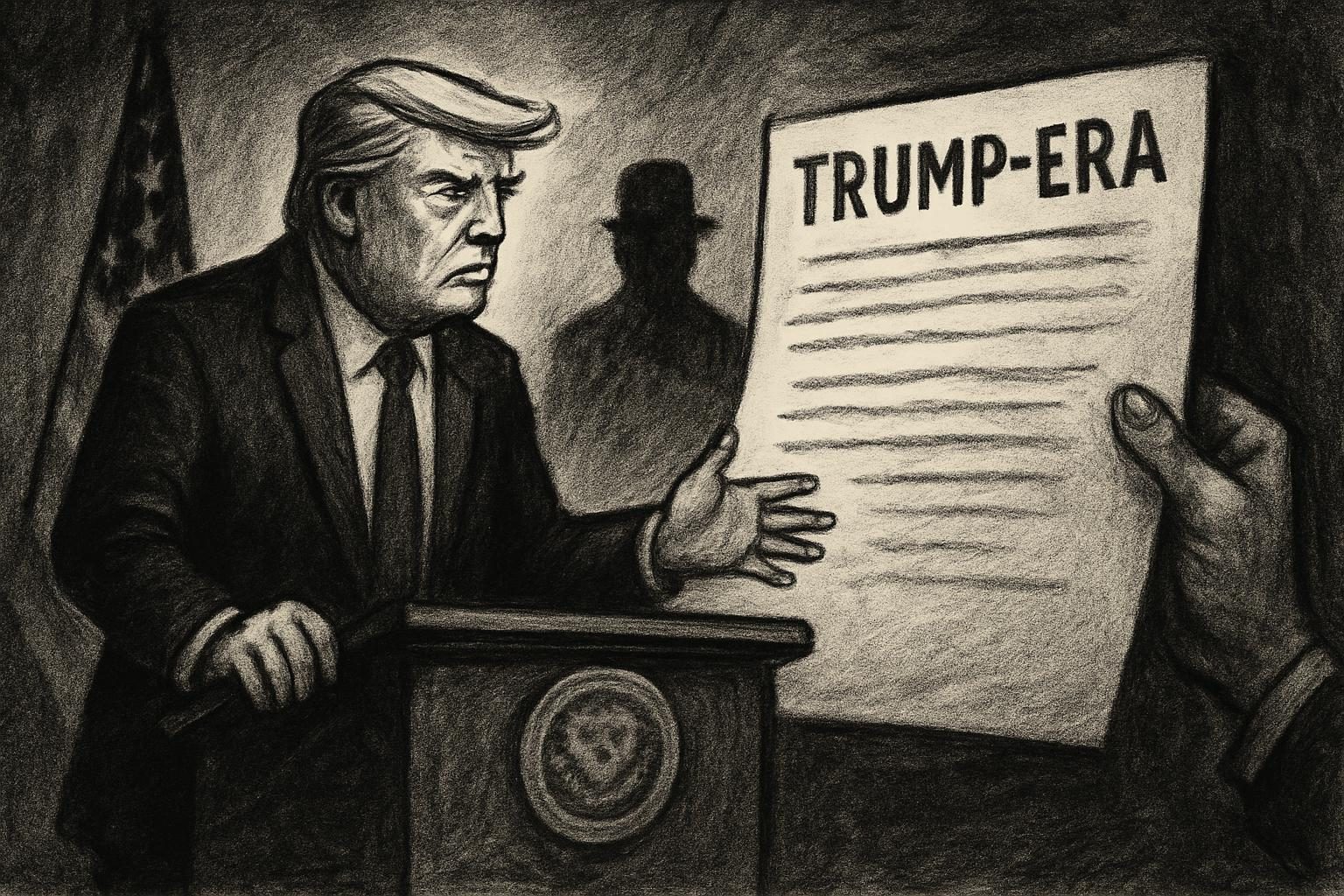
The Justice Department’s recent batch of public releases is notable not just for the cases it announced, but for the way the department framed them. In a span of days, DOJ paired a complaint against D.C. bar disciplinary authorities, a lawsuit against Connecticut over rules affecting federal officers, a 15-city antisemitism tour and an $18.25 million Apple back-pay distribution with language that repeatedly invoked the Trump administration’s political and legal themes. The underlying matters are distinct. The messaging is the common thread.
On May 13, DOJ filed a complaint against D.C. Disciplinary Counsel Hamilton P. Fox III, the D.C. Office of Disciplinary Counsel and the D.C. Court of Appeals Board on Professional Responsibility. The department said the bar process had been used to regulate official actions by federal government attorneys, and it explicitly said the filing advanced President Donald Trump’s executive order on ending the weaponization of the federal government and a presidential memorandum on abuses of the legal system and federal courts. DOJ said the complaint seeks to nullify the D.C. Bar’s prosecution of former Assistant Attorney General Jeff Clark over internal deliberations tied to the 2020 election. Whatever the merits of the dispute, the department did not present it as a narrow professional discipline matter. It cast it as part of a broader fight over how federal lawyers are treated.
Two days later, on May 15, DOJ sued Connecticut and several state officials over the state’s mask ban, identification requirements and use-of-force policies as they apply to federal law enforcement officers. The department said the state law unlawfully tries to regulate the federal government and puts officers at risk. The legal theory is straightforward: state rules cannot override federal operations. But the release also fit the department’s larger pattern, describing the case as a defense of law enforcement against state interference and linking it to the administration’s broader posture toward local rules viewed as hostile to federal agents.
On May 19, the department’s Task Force to Combat Anti-Semitism announced a 15-city national awareness and action tour. DOJ said the tour is meant to bring officials into communities affected by antisemitism to hear concerns and identify local responses. The release also tied the effort to Trump administration executive orders and described it as part of the president’s campaign against antisemitism. The subject matter is serious and the outreach itself is not unusual. What stands out is the degree to which the department’s announcement made the political lineage of the initiative part of the story.
Then, on May 21, DOJ announced that it had processed an $18.25 million back-pay distribution to U.S. workers harmed by Apple’s past hiring and recruitment practices. That was not a new 2026 settlement. The department said the settlement itself was reached in 2023, after an investigation that began in 2019, and the May 21 release marked the distribution date. DOJ also said the matter was being handled through its Protecting U.S. Workers Initiative, which it said was relaunched in January 2025. The case is a familiar civil-rights enforcement action, but the department still chose to package it inside a current administration initiative and a present-tense political frame.
None of that changes the basic legal status of the actions themselves. The bar complaint is a bar complaint. The Connecticut suit is a federal preemption fight. The antisemitism tour is an outreach effort. The Apple payment is a back-pay distribution under an older settlement. But DOJ’s public releases increasingly present these items through the same lens: weaponization, law-enforcement defense, presidential resolve and administration branding. That does not make the filings illegitimate. It does make them easier to read as political statements as well as legal ones.
Comments
Threaded replies, voting, and reports are live. New users still go through screening on their first approved comments.
Log in to comment
No comments yet. Be the first reasonably on-topic person here.