
Trump’s Memorial Day Proclamation Carries an Unusually Political Edge
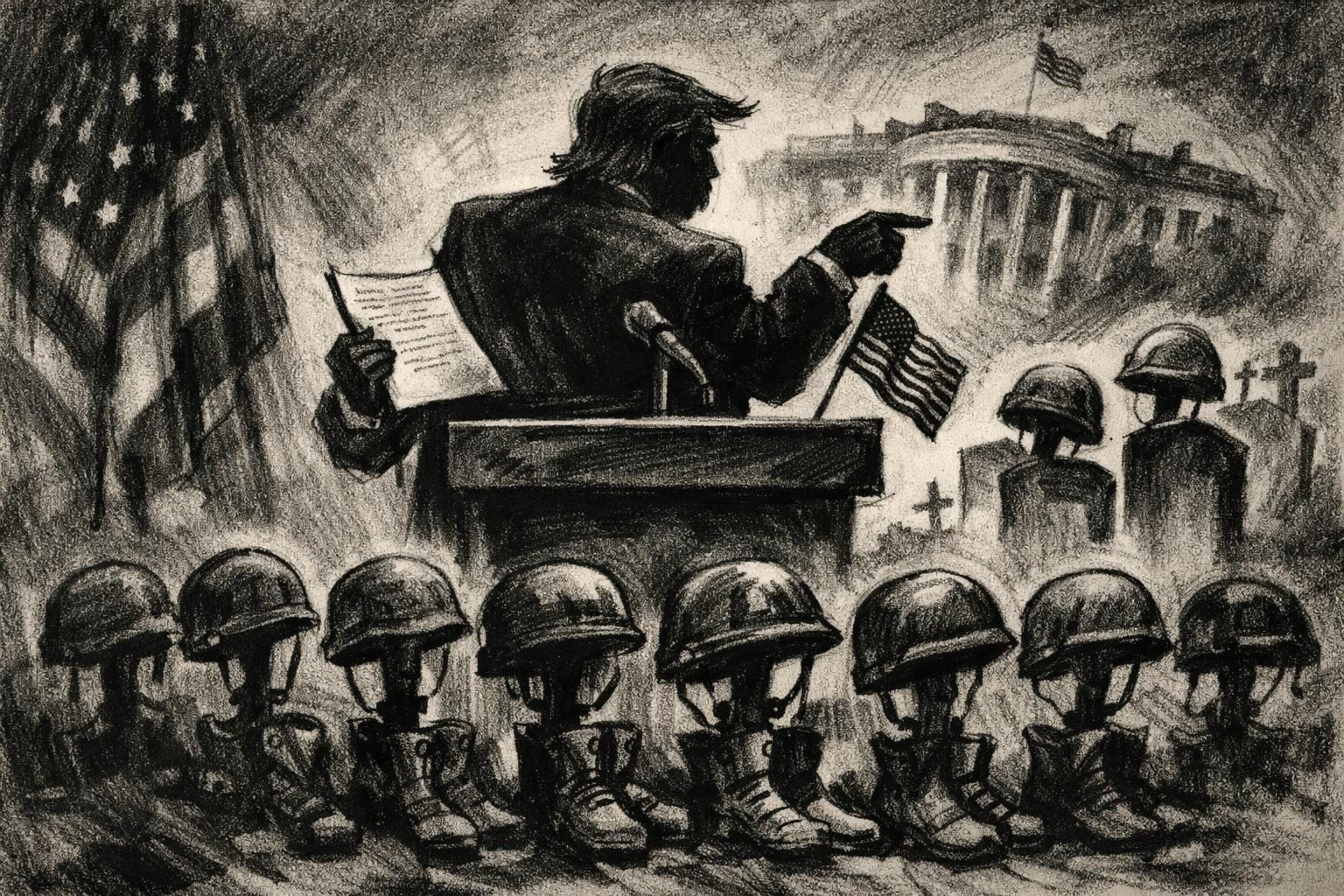
The White House issued its Memorial Day proclamation on May 22, 2026, three days before the holiday it designates. The document does what these proclamations usually do at the start: it honors Americans killed in military service, calls for national remembrance, and repeats the congressionally recognized National Moment of Remembrance at 3:00 p.m. local time on Memorial Day. It also asks Americans to pray for peace, for those in harm’s way, and for the comfort of people who are grieving. In that sense, the proclamation still performs the standard ceremonial job of the day.
What makes it stand out is the way it pairs that traditional language with a sharper, more contemporary military narrative. The proclamation says the United States is home to “the greatest fighting force the world has ever known,” describes freedom as a gift purchased by “brave warriors,” and says the nation should especially remember 13 members of the Joint Force who have fallen in support of Operation Epic Fury. That is not the same thing as saying they died in that operation, and the wording matters. Still, the effect is unmistakable: the White House is tying a solemn holiday directly to a named current campaign and to a broader message about military strength.
Presidents often use Memorial Day statements to speak about sacrifice, service, and national gratitude. This one does that too. But it also pushes harder than usual on present-tense force and identity, and that gives the text a more overtly political feel than the plain memorial language most Americans expect from the occasion. The administration’s own military branding is woven into the tribute, so the proclamation reads less like a quiet statement of remembrance than a holiday message that also wants to project power.
That balance is what makes the document noteworthy. The holiday itself remains the focus, and the proclamation does not ignore the dead or the families they left behind. But it repeatedly shifts from mourning to martial affirmation, from reflection to celebration of strength. On Memorial Day, that tone is a choice. It may strike supporters as straightforward patriotism. It also invites the opposite reading: that even a day set aside for loss is being used to reinforce the White House’s preferred story about national power and the military’s role in it. The proclamation is not a scandal, but it is a clear example of how official holiday prose can double as message discipline.
Comments
Threaded replies, voting, and reports are live. New users still go through screening on their first approved comments.
Log in to comment
No comments yet. Be the first reasonably on-topic person here.