
Trump aides sell strength as the Iran-war weapons bill stretches for years
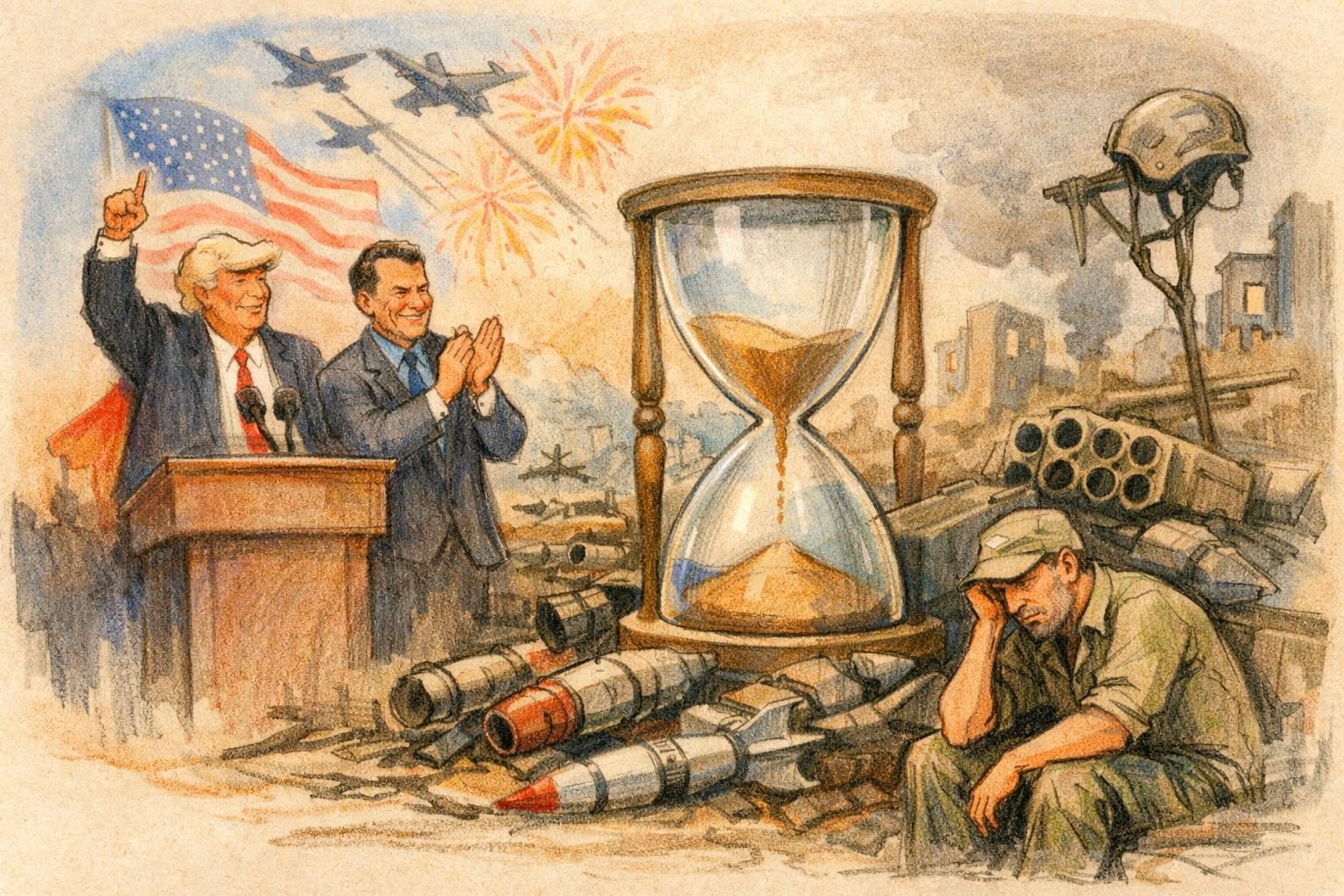
The White House is presenting the Iran conflict as proof that American firepower still works on demand. At Wednesday’s Cabinet meeting, held May 27, 2026, Defense Secretary Pete Hegseth and President Donald Trump used the moment to praise the operation and the force behind it. The political message is simple: the mission showed strength, speed, and control.
The replacement math is less convenient. A new CSIS analysis released May 27 says rebuilding some of the missile and air-defense stockpiles used in the war is a multiyear project, with systems including Tomahawk, THAAD, and Patriot taking three years or longer to replenish. Other munitions and platforms have shorter timelines, but the overall point is the same: the fight may have ended faster than the industrial reset.
That distinction matters. Modern military power is not measured only by what can be launched in a crisis. It is also measured by how quickly the arsenal can be refilled afterward. Interceptors, precision strike weapons, and other high-demand systems are expensive, finite, and tied to production lines that cannot be turned back on overnight. When a stockpile is drawn down, the bill does not disappear. It moves into procurement, contracts, and waiting lists.
That is the awkward part of the administration’s victory story. Trump wants the public to see a decisive display of force and a closed case. The defense system behind that display tells a different story: one of delayed replacement, limited capacity, and a military that still has to live with what the war consumed. The issue is not whether the operation achieved battlefield goals. It is whether the country can replace what it spent fast enough to stay ready for the next emergency.
So the triumphal tone has a limit. The White House can call the Iran operation a demonstration of strength, and in one sense that is true. But the evidence attached to that claim includes a longer, duller ledger: stockpiles that were used, production that must catch up, and years before some of the most important weapons are fully back in hand. That is the hangover part of the story, and it is not going away on its own.
Comments
Threaded replies, voting, and reports are live. New users still go through screening on their first approved comments.
Log in to comment
No comments yet. Be the first reasonably on-topic person here.