
Trump keeps selling victory while the hardest Iran questions still linger
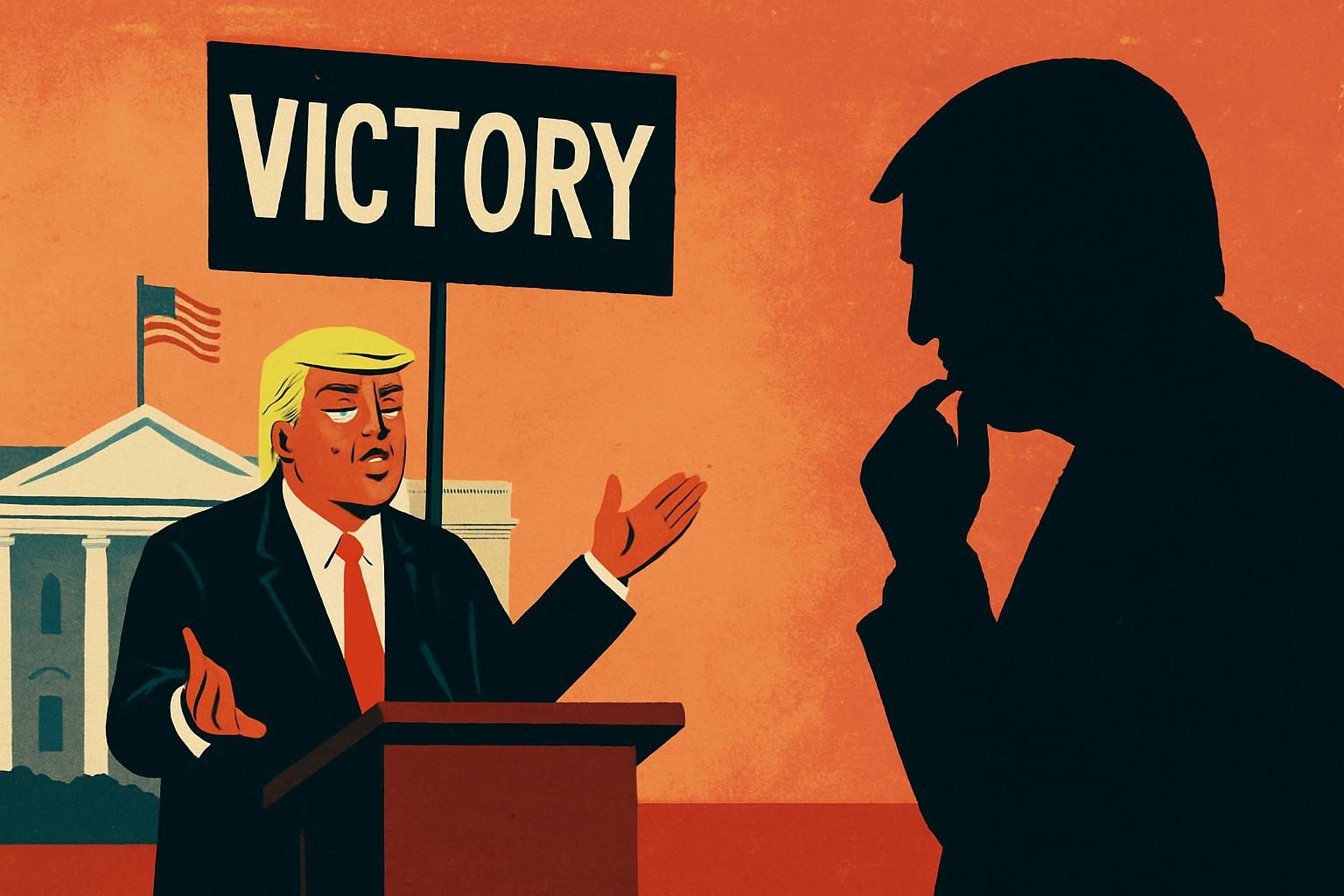
The deeper problem with Trump’s Iran posture is not only what he is trying to achieve. It is the way he keeps presenting the outcome before the terms are actually settled. On Wednesday, during a Cabinet meeting, he spoke as if the endgame was already in view, even while making clear that he could still walk away if the remaining pieces did not meet his standards. That posture fits a familiar Trump pattern: declare progress early, project certainty loudly, and leave the hardest questions to be handled later, somehow. It is a style built for public theater, not for a negotiation that could shape regional security for months or years. And it is exactly the kind of approach that can turn a tentative diplomatic opening into a credibility problem if the finale does not match the promises.
The most important questions in the Iran talks are still the ones that usually matter most in any agreement, and they are not the kind that can be brushed aside with a confident remark or a triumphant post. What kind of monitoring or follow-through would exist after a deal? Who would enforce the terms, and with what tools? Which concessions are substantive, and which are mostly symbolic? What leverage would the United States be surrendering in exchange for what Trump has described as a temporary pause or a possible breakthrough? Those are not side issues. They are the structure of the deal itself. Yet Trump’s public posture suggests a preference for speaking as though the answer is already known, even when the difficult parts are still being haggled over behind the scenes. That creates a dangerous mismatch between the White House’s message and the actual state of play.
The political risk is obvious. If the administration oversells the agreement before the details are locked in, it leaves itself exposed to a later collapse that will look like a self-inflicted embarrassment. If the final arrangement turns out to be weaker than the rhetoric suggested, critics will say the White House turned a complex security question into a victory lap. If, on the other hand, the talks fail or Trump decides the remaining terms are not good enough, he will have to explain why he spent so much time talking as if success was near. Either way, the president ends up trapped by the very confidence he is trying to project. That is part of what makes his negotiating style so brittle. He wants the public to believe the hard part is already done, but the hard part is exactly where the consequences live. And once he tells the country that victory is within reach, any delay or retreat starts to look less like prudence and more like reversal.
That is why the criticism aimed at Trump is not just ideological, and not even primarily about whether a deal with Iran is desirable. Even people inclined to support some kind of diplomatic off-ramp can still see the risk in a president who treats uncertainty as something to be talked over rather than managed. The administration is trying to hold several messages in its hands at once: strong but flexible, decisive but not locked in, optimistic but not fully committed, tough but open to compromise. That is a difficult balancing act under any circumstances, and it is especially hard when a live crisis is still unfolding. The more Trump insists that the outcome is basically settled, the more any later adjustment will read as a retreat. The more he frames the talks as a near-win, the more he makes himself the central variable in whether the country believes the result. In that sense, the White House is not just negotiating with Iran. It is negotiating with its own expectations, and that is a much harder deal to manage.
Comments
Threaded replies, voting, and reports are live. New users still go through screening on their first approved comments.
Log in to comment
No comments yet. Be the first reasonably on-topic person here.