
Trump Reworks Metals Tariffs Again, With More Changes Set for June 8
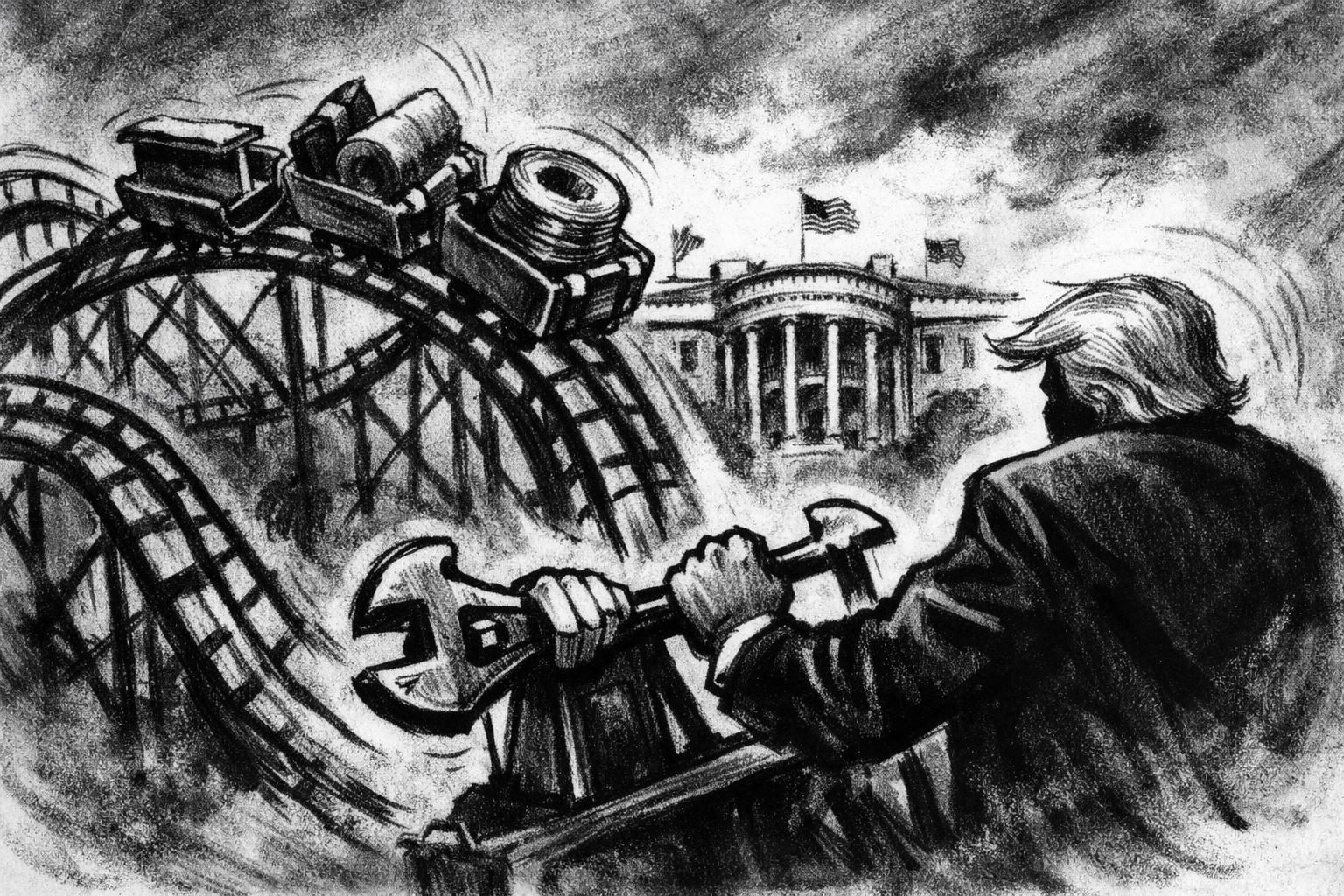
The White House has rewritten its metals tariff regime yet again, issuing another proclamation on June 1 that changes rates, product categories and content thresholds for aluminum, steel and copper imports. Most of the revisions are set to apply to goods entered for consumption, or withdrawn from warehouse for consumption, on or after 12:01 a.m. EDT on June 8, giving companies only a brief window to sort out what the latest version of the rules will mean for their shipments. The order is the latest in a series of adjustments to a system that has already been revised several times this year, leaving importers, manufacturers and customs specialists to keep recalculating their exposure as the policy keeps moving. Officials say the changes are meant to support domestic production and national security, which is the standard rationale for the administration’s metals agenda. But the practical effect is unmistakable: the government is still assembling the framework in real time, and the private sector is the one left to absorb the uncertainty.
On the substance, the proclamation keeps the 50 percent duty on certain metal products in place, maintains a 25 percent tariff on listed derivative products and preserves a 15 percent rate for a subset of derivative goods. It also broadens the 15 percent treatment to cover agricultural equipment and certain residential HVAC systems and components, while adding aluminum lithographic plates and steel racks to the coverage list. That is not a minor technical correction, even if it may be presented that way by the administration. Each new category changes who pays, how much they pay and how quickly they have to adapt procurement plans and price quotes. The order also lowers the threshold for imported products to qualify as made entirely from American aluminum, steel or copper, reducing the standard from 95 percent to 85 percent by weight. In practical terms, that means a product can now contain more imported content and still count as fully domestic for tariff purposes, which will matter for firms trying to determine whether a shipment faces a steep duty or none at all. The change in the weight test is the kind of small-number policy shift that can carry a very large price tag.
The broader pattern is what gives the latest proclamation its significance. Each round of tariff changes creates another layer of interpretation for customs lawyers, procurement teams and supply-chain managers who are trying to keep up with an evolving definition of what counts as covered metal content, what qualifies for a reduced rate and what is newly swept into the system. That is manageable only if the policy is understood as temporary, emergency-driven or narrowly targeted. It is much harder to justify when the administration presents tariffs as a durable pillar of industrial strategy and a reliable way to strengthen domestic manufacturing. The more the White House calibrates the regime, the more it reveals how much of it remains under construction. That does not necessarily mean the policy is failing on its own terms, but it does mean the terms keep changing. Businesses can plan around a difficult rulebook; they cannot plan around a rulebook that keeps being edited while they are reading it. Every expansion, exemption and threshold adjustment becomes a reminder that the program is not settled, and that the operational burden falls downstream on companies with invoices, contracts and supply chains to reconcile.
Politically, the Trump administration is still betting that tariff power can do the work of a broader industrial revival, even when the mechanics look messy and the compliance burden grows heavier. The White House can argue that the higher duties and narrower definitions are intended to protect workers, encourage domestic investment and limit import dependence in strategically sensitive sectors. It can also point to the language of national security as a reason to keep revisiting the tariff structure whenever officials decide the edges need another trim. But the cumulative effect of repeated revisions is to make the policy look less like a stable doctrine than a sequence of tactical fixes. That creates an obvious tension for an administration that wants tariffs to project strength while also asking markets to treat the rules as durable. If the tariff regime needs a new proclamation every time a new category or exemption becomes necessary, then the story is not just about protectionism. It is about churn, administrative discretion and a governing style that keeps moving the finish line. For companies trying to price goods, manage inventories or decide where to source metal-intensive products, that churn is not abstract. It is a cost, and one that the latest changes make even harder to ignore.
Comments
Threaded replies, voting, and reports are live. New users still go through screening on their first approved comments.
Log in to comment
No comments yet. Be the first reasonably on-topic person here.