
Trump’s new metal tariffs hand the economy another self-inflicted headache
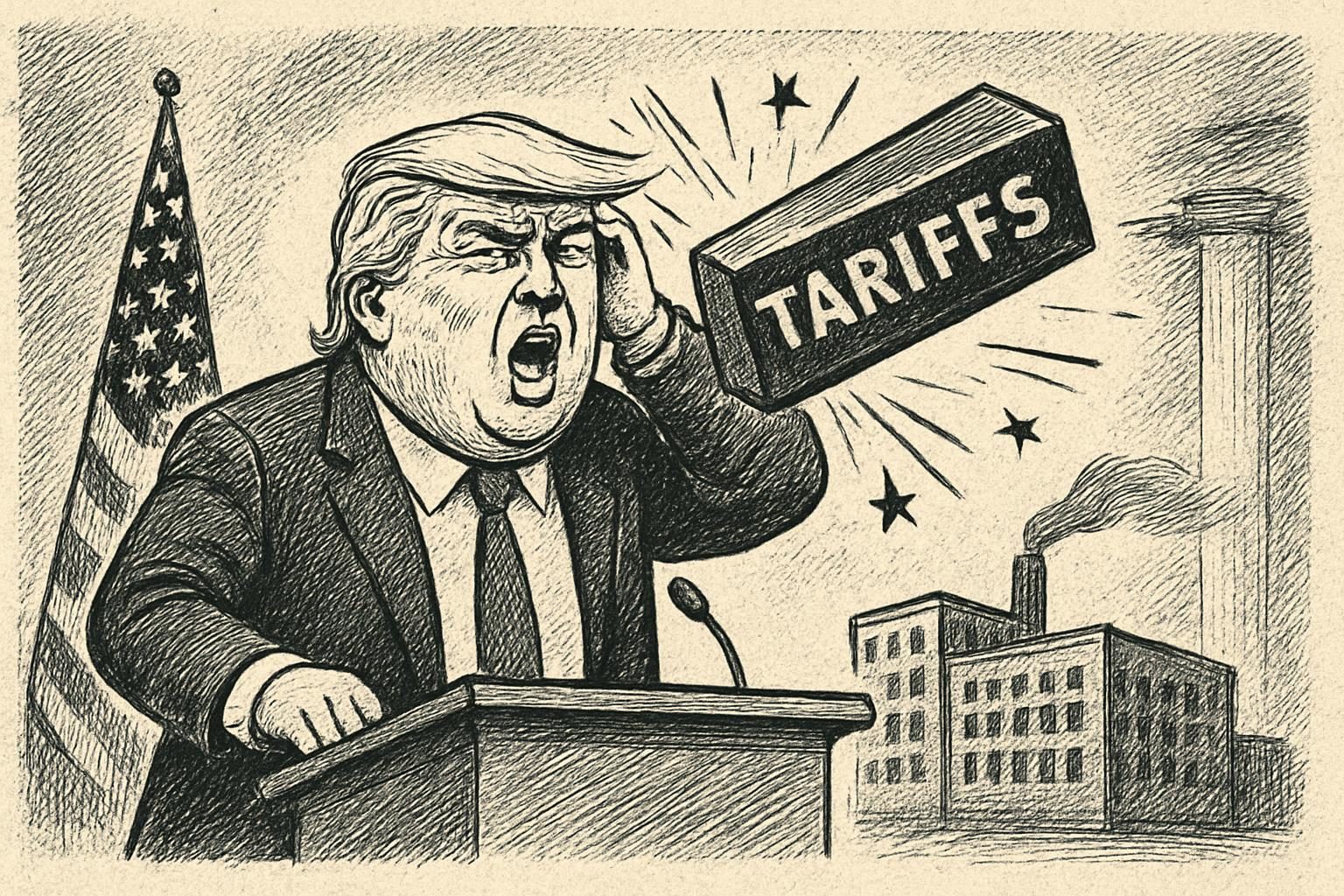
Donald Trump has given the metals tariff regime another round of edits, and the result is more complexity for importers, manufacturers, and anyone else trying to price a shipment before it lands. On June 1, 2026, the White House issued a proclamation revising tariff rules for aluminum, steel, and copper products under Section 232. Most of the operative changes do not take effect until June 8, 2026, when they apply to goods entered for consumption, or withdrawn from warehouse for consumption, on or after 12:01 a.m. Eastern daylight time. Some of the revised duty rates are scheduled to run through December 31, 2027. ([whitehouse.gov](https://www.whitehouse.gov/presidential-actions/2026/06/further-adjusting-the-tariff-regimes-for-imports-of-aluminum-steel-and-copper-into-the-united-states/))
The proclamation broadens the lower 15 percent duty category to include agricultural equipment and certain heating, ventilation and air-conditioning systems and components used mainly in homes. It also temporarily changes the treatment of mobile industrial equipment and machinery, and it adds aluminum lithographic plates and steel racks to the tariff coverage. For products that qualify as made entirely from American metal, the threshold moves from 95 percent to 85 percent by weight. ([whitehouse.gov](https://www.whitehouse.gov/presidential-actions/2026/06/further-adjusting-the-tariff-regimes-for-imports-of-aluminum-steel-and-copper-into-the-united-states/))
The White House says the changes are meant to address national-security concerns while steering more demand toward U.S.-made metal. That may be the policy goal, but the practical effect is another compliance reset for businesses that have to decide what qualifies, what rate applies, and whether a shipment is still worth moving once the paperwork is done. The administration also leaves room for the commerce secretary to issue further technical corrections and implementing guidance through the Federal Register, which is a polite way of saying the fine print is still not finished. ([whitehouse.gov](https://www.whitehouse.gov/presidential-actions/2026/06/further-adjusting-the-tariff-regimes-for-imports-of-aluminum-steel-and-copper-into-the-united-states/))
For companies that buy, ship, classify, insure, and resell metal-heavy goods, the problem is not just the tariff level. It is the speed and frequency of the changes. A policy that keeps rewriting its own exceptions can still be a policy. It is just a harder one to plan around. As of now, firms dealing in these products have until June 8 to sort out which entries face the revised duties, which ones qualify for lower treatment, and how much of the cost can be absorbed before customers start pushing back. ([whitehouse.gov](https://www.whitehouse.gov/presidential-actions/2026/06/further-adjusting-the-tariff-regimes-for-imports-of-aluminum-steel-and-copper-into-the-united-states/))
Comments
Threaded replies, voting, and reports are live. New users still go through screening on their first approved comments.
Log in to comment
No comments yet. Be the first reasonably on-topic person here.