
Trump trims some metal tariff rates, broadens coverage in June 1 order
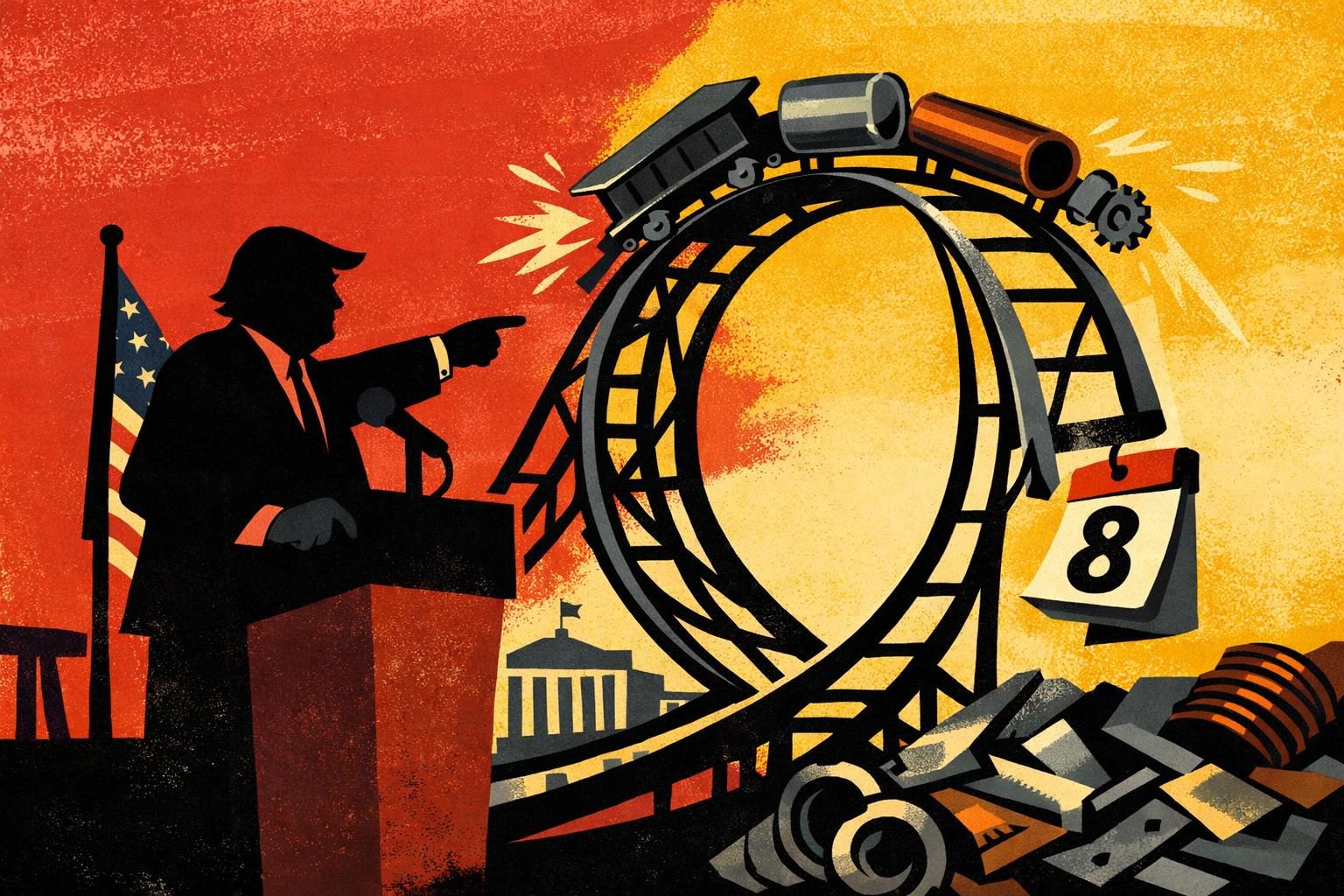
President Donald Trump on June 1 rewrote parts of the government’s metals tariff playbook again, changing the treatment of some aluminum-, steel- and copper-related imports and setting the new rules to apply immediately to covered entries. The order says the changes apply to goods entered for consumption, or withdrawn from warehouse for consumption, on or after 12:01 a.m. Eastern Daylight Time on June 1, 2026, with some temporary provisions running through Dec. 31, 2027.
The biggest headline change is a lower tariff rate for several equipment categories. Agricultural equipment, including combines and harvesters, now faces a 15% duty rate instead of 25%, and that same lower rate now covers certain HVAC systems and components. The order also extends a 15% rate for some industrial equipment to include mobile industrial machinery such as bulldozers and forklifts when those goods come from countries that qualify for that treatment under trade agreements.
The order also adds new products to the metals tariff regime. Aluminum lithographic plates and steel racks are now included among the derivative items covered by the Section 232 system. That matters because the administration is not just shifting rates; it is also redrawing which finished and semi-finished products sit inside the tariff structure at all.
Another change lowers the threshold for some imported capital equipment to qualify for a 10% duty rate. The order says certain products can be treated as meeting the U.S.-metal-content test if aluminum, steel and copper make up at least 85% of the product’s weight, down from the earlier 95% threshold. The White House says the adjustment is meant to reward more domestic metal use and encourage firms to source more American content.
For importers, the practical effect is more sorting work, not less. Companies that sell or use farming machinery, HVAC systems, industrial equipment or metal-heavy components now have to check origin rules, product classifications and metal-content records against a new set of thresholds and annexes. The administration is presenting the changes as targeted relief for some manufacturers and farmers, but the result is another round of reclassification, compliance and pricing decisions across the supply chain.
Comments
Threaded replies, voting, and reports are live. New users still go through screening on their first approved comments.
Log in to comment
No comments yet. Be the first reasonably on-topic person here.