
A court win for Trump’s energy orders is narrower than the White House wants
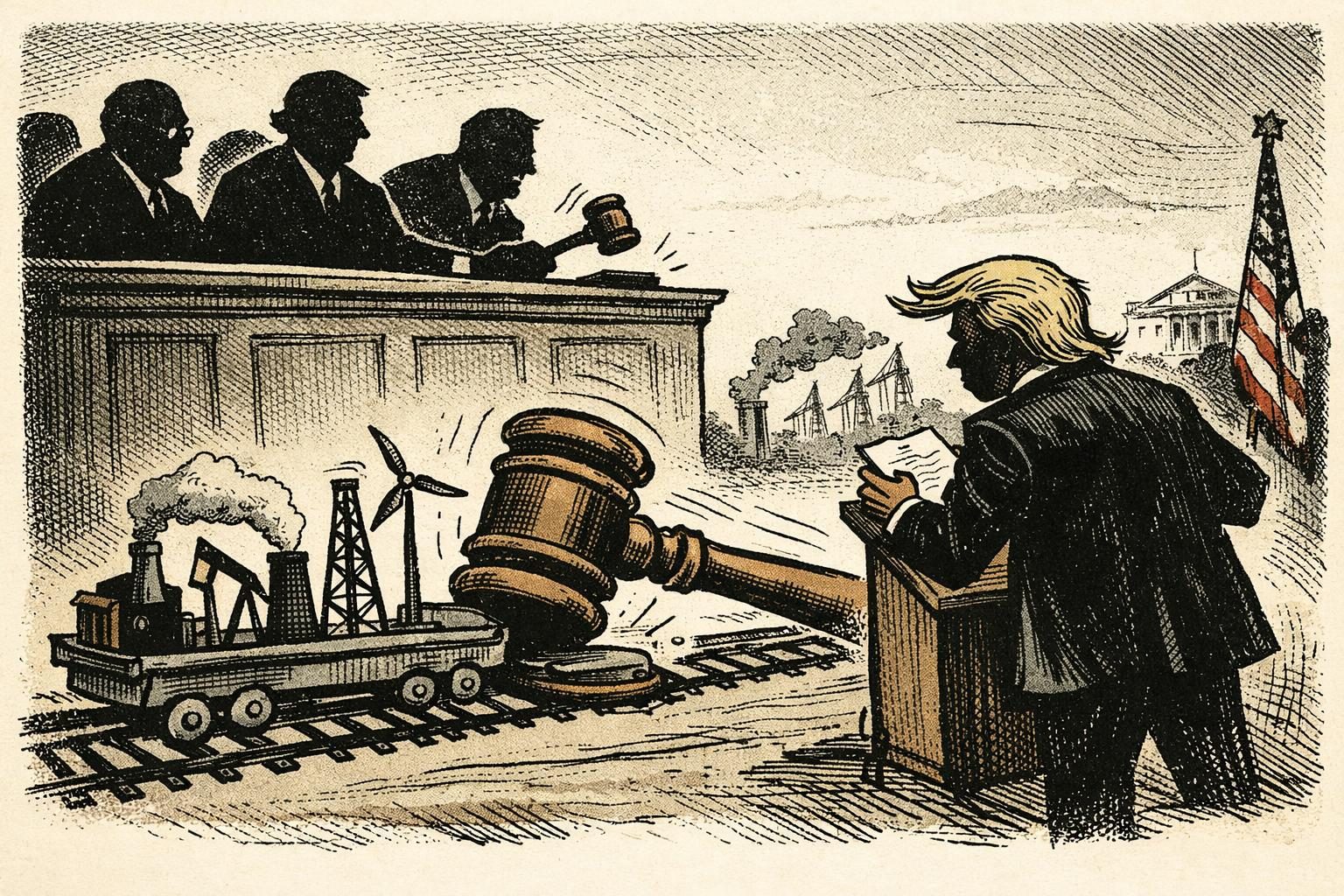
The Trump administration got a courtroom result on June 2, 2026, but not the kind that settles the fight. The Justice Department said the Ninth Circuit affirmed dismissal of Lighthiser v. Trump because the plaintiffs lacked standing and could not show the kind of injury or redressability needed to keep the case alive. That is a real procedural win for the government. It is not a ruling that blesses the president’s energy orders on the merits. The court did not say the challenged policy choices were lawful; it said these plaintiffs could not get into court to attack them.
That distinction matters because the White House is still building this part of its agenda through executive action. In June 2026, it issued National Security Presidential Memorandum 11 on June 5 and National Security Presidential Memorandum 12 on June 12. Those memoranda are part of the administration’s effort to move quickly on energy, production, and related national-security claims without waiting for Congress to write a new statute. That approach can produce speed, but it also leaves the policy exposed to the usual objections: limited judicial insulation, shifting agency interpretations, and a heavy dependence on presidential authority that can be revised or reversed later.
For now, the administration can point to the June 2 dismissal and call it a success. It can say the challengers did not clear the threshold to sue, and that the courts have not blocked the program at the starting line. But that is a narrower argument than the White House would like. A standing dismissal does not resolve whether the orders are wise, durable, or ultimately within the full scope of presidential power. It only means this particular case ended before the judges reached those questions.
That leaves the energy fight in a familiar place: the government has momentum, but not a final judicial seal. The White House is trying to project certainty while governing through memoranda and emergency-style directives. The courts, at least in this case, have answered with a procedural ruling that keeps the substantive dispute open. For an administration selling disruption as strength, that is useful. For anyone trying to plan around federal energy rules, it is still uncertainty with better branding.
Comments
Threaded replies, voting, and reports are live. New users still go through screening on their first approved comments.
Log in to comment
No comments yet. Be the first reasonably on-topic person here.