
USTR proposes duties after forced-labor findings in 60 Section 301 probes
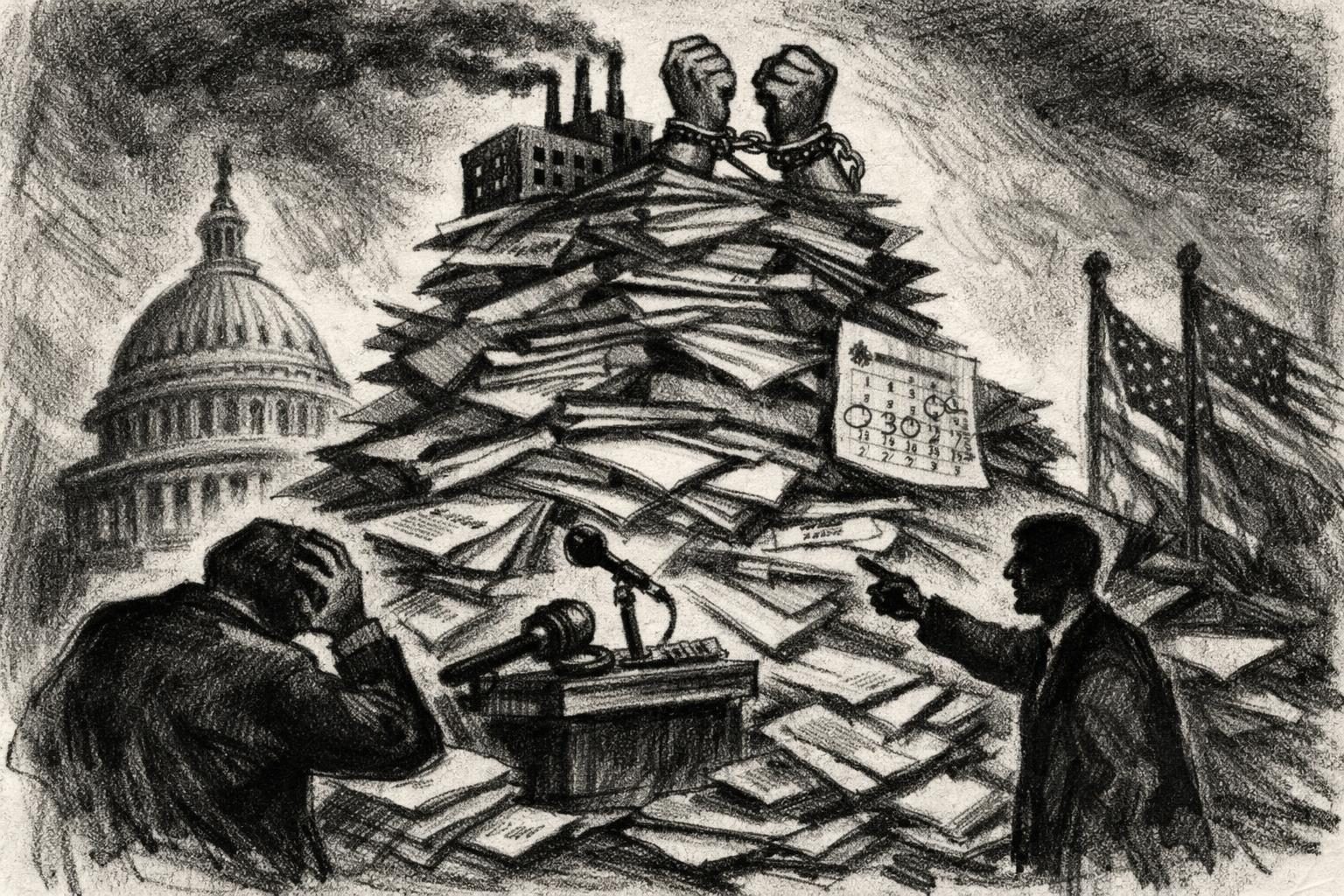
U.S. trade officials on June 2 moved 60 forced-labor Section 301 investigations into the remedy phase, but they stopped short of imposing any new duties. The Office of the United States Trade Representative said it found that the investigated economies had failed to impose and effectively enforce bans on imports of goods made with forced labor, and it proposed responsive action for public comment. ([ustr.gov](https://ustr.gov/about/policy-offices/press-office/press-releases/2026/june/ustr-makes-findings-and-proposes-action-60-section-301-investigations-relating-failures-take-action))
The proposal would add duties on all products from the investigated economies, except where the notice carves out exceptions in Annex A. USTR said the proposed rate would be 10% for economies that already impose a forced-labor import prohibition, have committed to one through an Agreement on Reciprocal Trade, or have a partial regime that keeps certain forced-labor goods out; it proposed 12.5% for all other economies. The agency also proposed a textile mechanism that would let a set volume of apparel and textile imports from certain economies enter at a reduced Section 301 tariff rate. ([ustr.gov](https://ustr.gov/about/policy-offices/press-office/press-releases/2026/june/ustr-makes-findings-and-proposes-action-60-section-301-investigations-relating-failures-take-action))
Nothing in the June 2 notice is final yet. USTR set a deadline of July 6, 2026, for written comments and scheduled a hearing for July 7, 2026. Interested parties that want to appear at the hearing must submit requests by June 22, 2026. ([ustr.gov](https://ustr.gov/about/policy-offices/press-office/press-releases/2026/june/ustr-makes-findings-and-proposes-action-60-section-301-investigations-relating-failures-take-action))
For importers, that means the immediate risk is not a tariff already in force. The risk is that the docket now has a clear runway toward a final decision, with supply-chain teams, customs advisers, and in-house compliance staff needing to assess which products could be swept in, which sourcing records matter, and whether they want to weigh in before the comment deadline. If USTR finalizes the proposal, the cost hit could land quickly; until then, the change remains proposed and subject to the administrative record. ([ustr.gov](https://ustr.gov/about/policy-offices/press-office/press-releases/2026/june/ustr-makes-findings-and-proposes-action-60-section-301-investigations-relating-failures-take-action))
Comments
Threaded replies, voting, and reports are live. New users still go through screening on their first approved comments.
Log in to comment
No comments yet. Be the first reasonably on-topic person here.