
Trump’s customs crackdown could still turn a fraud fight into importer pain
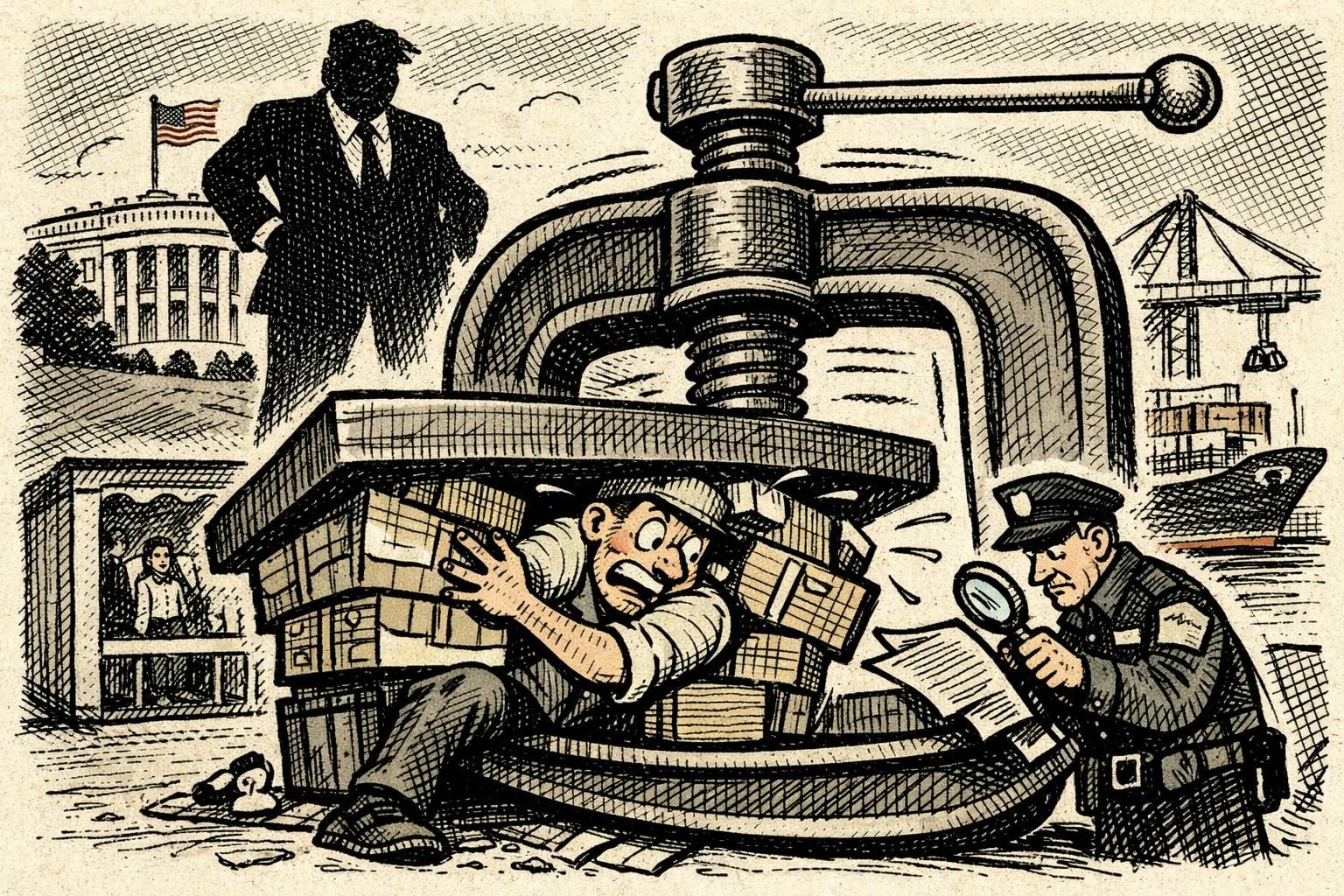
President Donald Trump’s June 3 customs executive order is being sold as a focused strike against duty evasion, weak screening, and abuse of the import system. The White House frame is straightforward enough: tighten enforcement across the supply chain, raise the stakes for importers of record, increase vetting, and require more disclosures and certifications from the people bringing goods into the country. On paper, that is a more targeted trade story than a blanket tariff threat or one of the administration’s more theatrical trade salvos. It presents itself as a fraud fight, not a broad assault on commerce. That distinction matters politically, because it lets the White House argue that honest businesses should welcome the crackdown. It also matters practically, because the difference between a precision tool and a blunt instrument depends entirely on how the rules are written and how aggressively they are enforced.
The administration is not saying these changes snap into place overnight, and that delay is the first clue that the order still needs rulemaking, agency coordination, and a lot of bureaucratic follow-through before anyone can know what it really means. That may shrink the immediate blast radius, but it does not change the basic direction of travel. Customs enforcement does not operate in slogans or press releases; it operates in documentation, bond levels, filing deadlines, carrier relationships, and the day-to-day mess of global trade logistics. The White House says the changes would include higher bonding requirements, a “good standing” requirement for importers of record, tighter formal-entry rules for foreign importers, and more vetting for anyone directly involved in importation. None of that is trivial. Bond requirements affect cash flow. Vetting affects timing. New disclosure rules affect staffing, compliance systems, and legal exposure. When those pieces are layered together, a policy aimed at cheating can still become a cost machine for everyone else if the implementation is too broad, too vague, or too unforgiving.
That is where the real risk sits for importers, especially smaller ones that do not have armies of compliance staff or deep legal budgets. Large retailers and global manufacturers can usually absorb another layer of paperwork, another broker review, or another round of internal controls without much trouble, at least relative to smaller firms. For smaller importers, though, even modest increases in bond costs or document burden can eat into already thin margins and slow inventory turnover. A shipment delay that looks minor in Washington can become a business problem at the warehouse, the store shelf, or the production line. The administration will say legitimate businesses have nothing to fear, and in the narrowest sense that is true. But legitimate businesses still have to survive the practical effects of bureaucracy, and bureaucracy has a habit of spreading pain in the name of precision. If the final rules create more uncertainty, more review steps, or more exposure to penalties, then a policy written to stop bad actors could end up functioning like a quiet tax on ordinary trade.
Trump wants customs enforcement to sound like common-sense governance: stop the cheaters, protect the border, clean up the system, and make trade more honest. That message fits his broader law-and-order branding, and duty evasion is not a fake problem. There are real gaps in screening and real incentives for importers to cut corners when enforcement is weak or uneven. The politics are therefore not imaginary; there is a constituency for making customs tougher, especially if the administration can point to fraud and abuse as the target. But this White House also has a habit of turning enforcement tools into blunt instruments, and customs is exactly the sort of policy arena where that tendency can become expensive. The administration says the Department of Homeland Security and Customs and Border Protection will engage stakeholders before implementation, which is sensible, but consultation is not certainty. Businesses do not plan around intent. They plan around final rules, enforcement standards, and the cost of staying in compliance when those standards change. If the administration keeps the rules narrow and disciplined, it can claim a real victory against fraud. If it writes them broadly or enforces them clumsily, the crackdown could quickly start to feel like an added burden on normal commerce rather than a cleanup of bad behavior.
Comments
Threaded replies, voting, and reports are live. New users still go through screening on their first approved comments.
Log in to comment
No comments yet. Be the first reasonably on-topic person here.