
Trump’s customs crackdown has teeth — but a lot of it still has to go through DHS and CBP
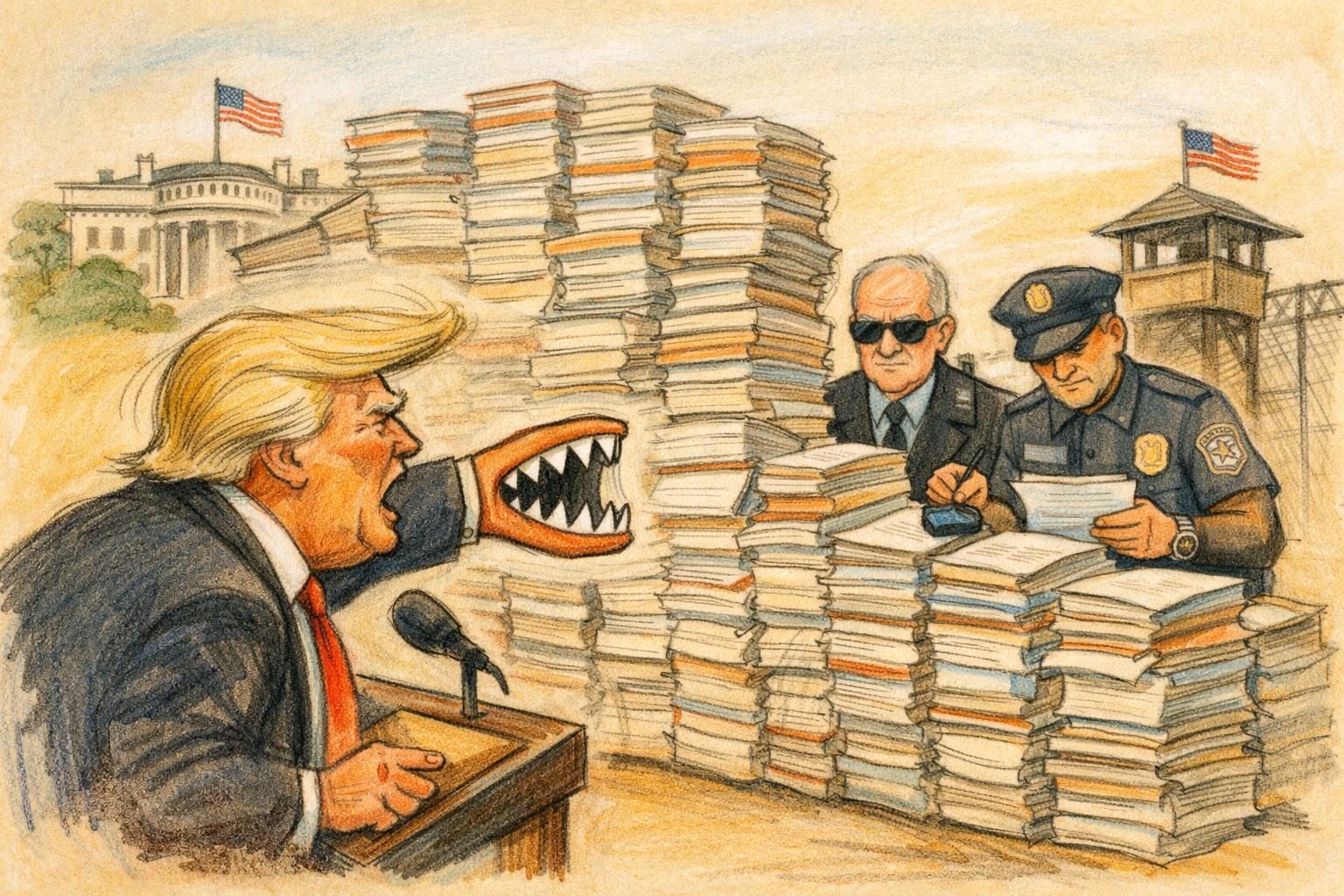
President Donald Trump signed an executive order on June 3, 2026, aimed at tightening customs enforcement, and the White House is pitching it as a broad overhaul of how importers are checked, vetted, and penalized. The order is not just theater. It lays out immediate policy direction for Homeland Security and Customs and Border Protection, including tougher standards for importers of record, more disclosure requirements, stronger vetting, and a 50% minimum penalty floor that limits CBP’s ability to cut assessed penalties in the covered cases. ([whitehouse.gov](https://www.whitehouse.gov/presidential-actions/2026/06/strengthening-customs-enforcement/))
But the White House also says the reforms “will not take effect immediately” and that DHS and CBP will generally work through the standard rulemaking process before affected parties have to live with the details. The order itself gives the agencies 180 days for a number of follow-on steps, including revising importer eligibility rules, updating the importer registry, and setting up enhanced vetting procedures. In other words, the administration has set the direction and some guardrails now, while the full machinery still has to be built. ([whitehouse.gov](https://www.whitehouse.gov/fact-sheets/2026/06/fact-sheet-president-donald-j-trump-strengthens-customs-enforcement/))
That split matters for importers. The order tells companies where the government wants to go: more bonding, more reporting, more scrutiny of foreign importers, and more pressure on anyone who wants to move goods through the system without clean paperwork. But the exact compliance burden will depend on how DHS and CBP write the rules, what they keep, and what they narrow. For businesses, that means the practical risk is less an overnight border reset than a rolling set of new obligations that can arrive in stages and hit different players at different times. ([whitehouse.gov](https://www.whitehouse.gov/presidential-actions/2026/06/strengthening-customs-enforcement/))
So the real story is not that the order is empty. It is that Trump’s customs push is part immediate directive, part future rulebook. The White House has already put importers on notice, but it has also admitted that the system will be phased in through agency process. For now, that leaves the trade community with a clear signal and a messy timeline: the enforcement push is real, the penalties are spelled out, and the fine print is still on its way. ([whitehouse.gov](https://www.whitehouse.gov/fact-sheets/2026/06/fact-sheet-president-donald-j-trump-strengthens-customs-enforcement/))
Comments
Threaded replies, voting, and reports are live. New users still go through screening on their first approved comments.
Log in to comment
No comments yet. Be the first reasonably on-topic person here.