
Trump’s customs crackdown still needs rules before it can really bite
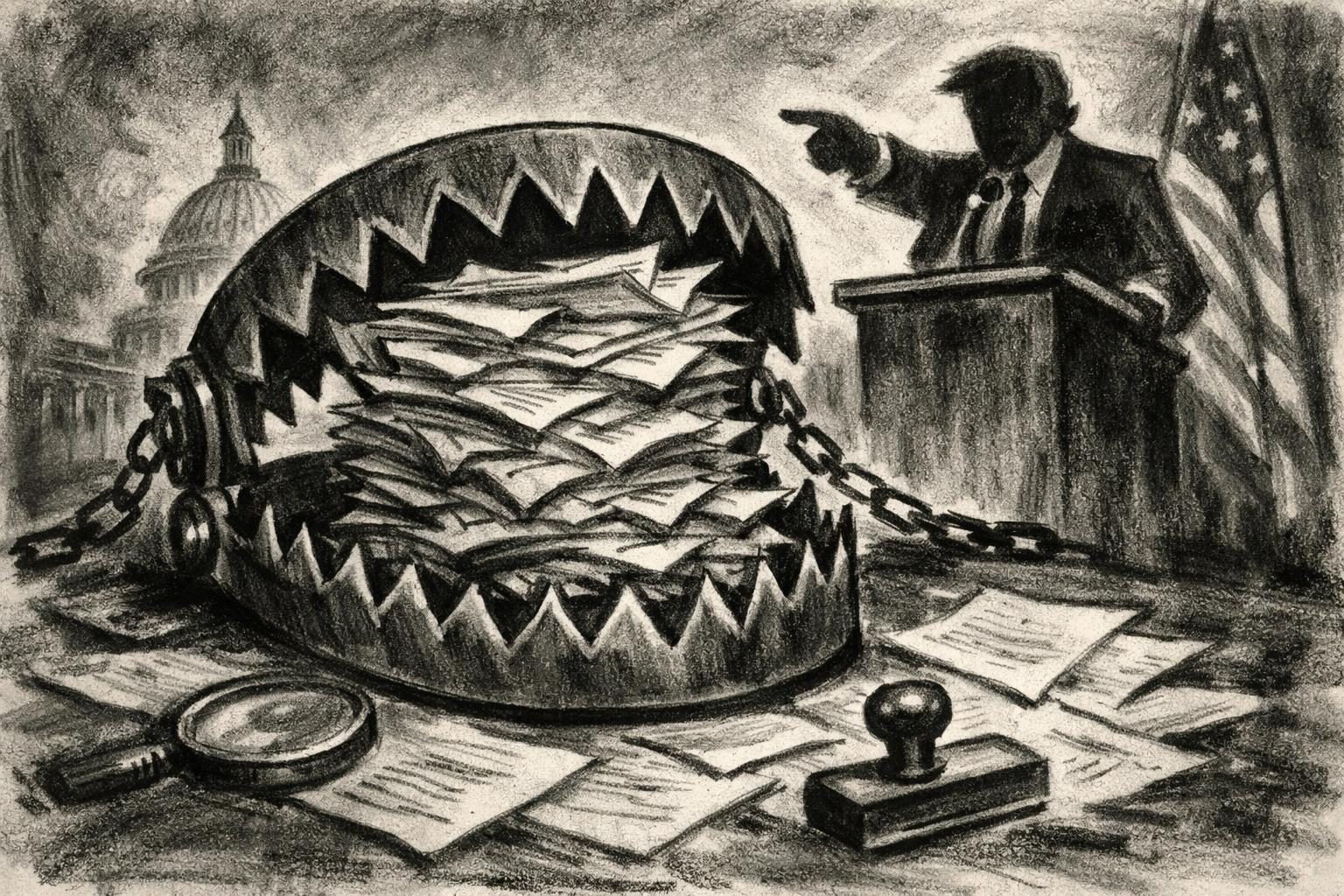
President Trump’s latest customs crackdown is being packaged as a hard turn against import fraud, sloppy documentation, and duty evasion, but the fine print shows a government still in the middle of building the machinery it wants to use. The White House says the administration is moving to tighten customs enforcement, raise penalties, and make it harder for importers to slip through weak paperwork or vague ownership structures. Yet most of the changes described in the June action still have to pass through the usual regulatory process before they can meaningfully reshape day-to-day trade operations. That matters because customs enforcement is not a slogan-driven system; it runs on forms, filings, bonding rules, agency instructions, and the way officers and auditors interpret those rules in practice. So while the White House is selling decisiveness, the more accurate description for now is a regulatory campaign that has just begun.
The administration’s materials point to a number of changes that, if eventually implemented, would make customs compliance more demanding. Among the measures described are stronger importer-of-record requirements, more vetting, more bonding, and a minimum penalty floor of not less than 50 percent of the assessed penalty in certain enforcement contexts. Those are not cosmetic tweaks. They would affect how importers document responsibility, how agencies assess risk, and how quickly a mistake or evasion allegation can become expensive. But the White House also makes clear that DHS and Customs and Border Protection still need to revise rules, policies, and guidance before the new regime is fully operational. That means the announcement is ahead of the rollout, and businesses are being asked to absorb the warning before the government has finished writing the instructions. In practical terms, the administration has launched the beginning of a compliance project, not a finished enforcement system.
That gap between announcement and implementation is where the story gets more complicated for importers. Companies cannot wait for a final rule to begin thinking about exposure, because even a pending crackdown can change internal behavior, vendor oversight, and shipping decisions. A firm that thinks penalties are going up may tighten its sourcing checks, rework its customs paperwork, or build in a bigger compliance buffer long before the first new form is required. But uncertainty is its own cost, and the White House is creating plenty of it by signaling tougher enforcement before the technical details are settled. If the eventual rules are broad, legitimate importers could face higher costs, more delays, and more administrative burden. If they are narrow, the actors the administration says it wants to catch will simply adjust and keep finding ways to evade duties. That is the basic tension in any customs crackdown: if it is too loose, it is easy to evade, and if it is too strict, it becomes a tax on everyone else.
The politics are familiar even if the paperwork is not. Supporters will likely say the administration is finally confronting a system that lets bad actors exploit weak documentation and uneven enforcement. Critics will say this is the same familiar Trump pattern: big on enforcement rhetoric, aggressive on symbolism, and less clear about how the government will make the policy work once the cameras move on. Both reactions have some merit. The order does put importers on notice that the White House wants a harsher customs posture, and that alone can alter compliance planning. But it also leaves major questions unanswered about timeline, scope, and how aggressively the agencies will write and enforce the eventual rules. That is a significant distinction, because a policy that exists mostly on paper does not change trade flows the same way a final rule with a clear start date does. For now, the administration has created pressure, not certainty, and it is certainty that companies pay for in hiring, inventory, contracts, and legal strategy.
In the end, this looks less like an immediate trade-shock moment than the opening of a long regulatory grind. The White House wants the public to hear “crackdown” and imagine swift consequences, but the actual process is likely to move through revisions, guidance, and enforcement interpretation before it bites hard. That does not make the action meaningless. It does mean the real impact will depend on how the agencies draft the rules, how quickly they move, and how they decide to apply them in the field. Importers should not assume nothing is changing, because the direction of travel is obvious and the stakes are real. But they also should not assume the system has already changed in full, because the administration itself has signaled that much of the work remains unfinished. The most immediate effect, then, is not a new customs regime at the border. It is a growing expectation that more paperwork, more scrutiny, and more penalties are on the way, even if the government still has to write the rules that make them stick.
Comments
Threaded replies, voting, and reports are live. New users still go through screening on their first approved comments.
Log in to comment
No comments yet. Be the first reasonably on-topic person here.