
Trump’s tariff and customs moves land over two days in early June
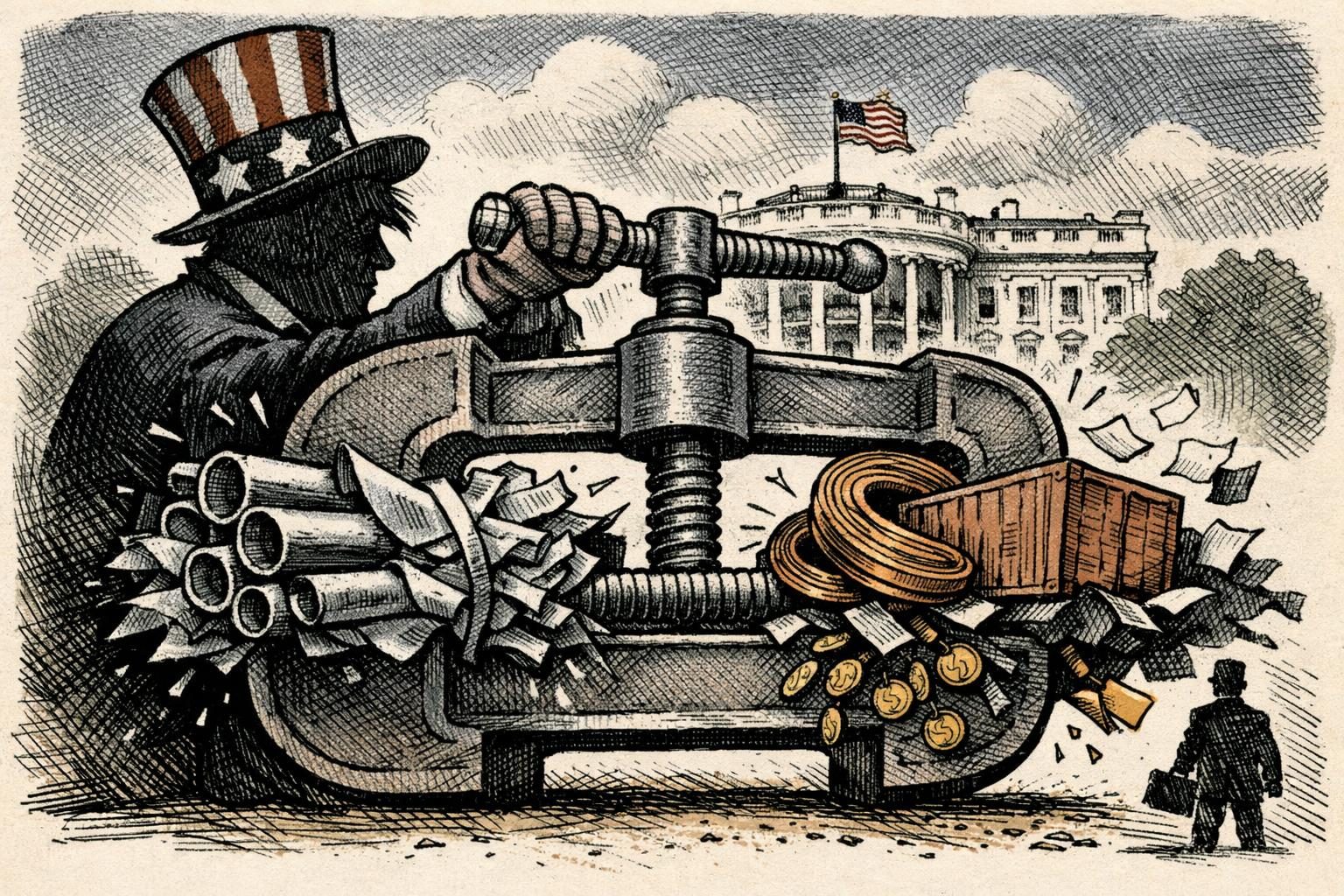
On June 1 and June 3, the White House took two separate trade actions that together tighten the rules for importers. One was a proclamation adjusting tariffs on selected steel-, aluminum- and copper-related goods. The other was an executive order directing a broader customs-enforcement push. Both are framed by the administration as national-security measures meant to support domestic production and reduce duty evasion.
The June 1 proclamation does not reset the tariff system across the board. According to the White House, it cuts tariffs on agricultural equipment such as combines and harvesters from 25% to 15%, extends a 15% tariff category for industrial equipment to mobile industrial machinery such as bulldozers and forklifts when imported from trade-deal countries entitled to that treatment, and sets a 10% duty rate for certain capital equipment if at least 85% of its steel or aluminum content by weight was melted and poured, or smelted and cast, in the United States. The temporary changes are set to run through Dec. 31, 2027.
The June 3 order targets how goods move through customs rather than the tariff rates themselves. The White House said the directive calls for tighter importer-of-record standards, including bonding, vetting, formal-entry requirements for foreign importers and a new good-standing standard. It also adds disclosure and certification requirements aimed at duty evasion and supply-chain compliance, a 50% minimum penalty floor for certain customs violations, and new seizure, disposal and transparency steps.
The practical effect is to make imports harder to clear without careful paperwork and stronger compliance systems. The tariff changes alter landed costs for some equipment categories. The customs order raises the stakes for importers that rely on bonded entries, foreign entities of record or other structures the administration says can be used to avoid duties or weaken accountability.
The White House says the moves are designed to bring more investment into U.S. agriculture, housing and manufacturing while closing off routes for evasion. Taken together, the two actions show the administration treating tariff policy and customs enforcement as connected parts of the same trade strategy rather than separate fights.
Comments
Threaded replies, voting, and reports are live. New users still go through screening on their first approved comments.
Log in to comment
No comments yet. Be the first reasonably on-topic person here.