
The FEC’s 2026 Filing Rules Still Apply, Even to Trump World
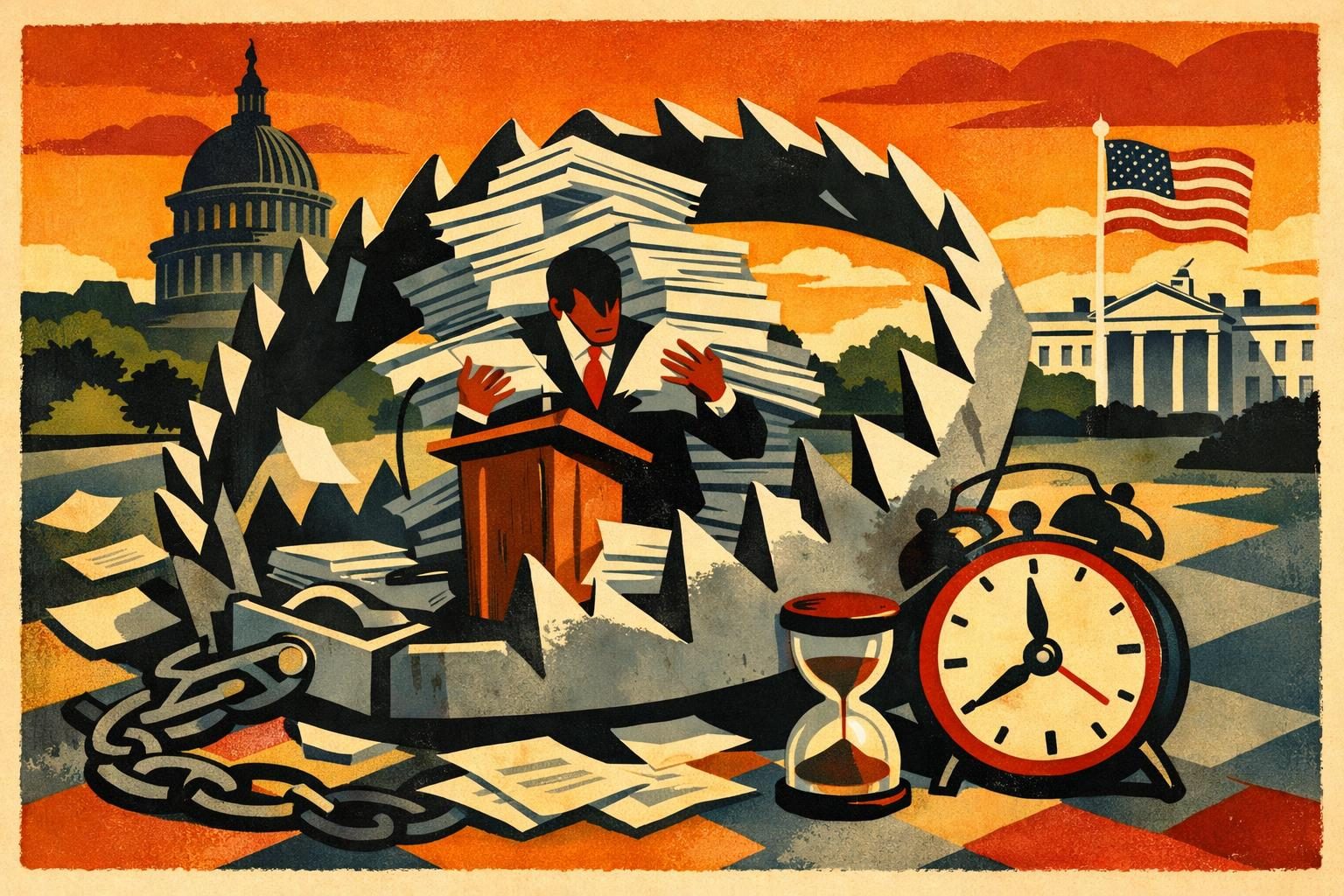
The Federal Election Commission’s 2026 filing calendar is the kind of document that looks harmless until it starts running your life. For presidential committees, it is not optional, not decorative, and not something that can be waved away because the campaign has ended, the candidate has moved on, or the political operation has decided to reinvent itself as a brand ecosystem. The rules still govern reporting in 2026, and they still matter for Trump-world committees that may be tempted to behave as though political momentum can outrun federal paperwork. It cannot. Monthly and quarterly filing requirements continue to apply, termination is not self-executing, and the agency does not appear interested in pretending that a committee is finished just because the people inside it are tired of the subject. The practical message is painfully ordinary: if a committee is still alive in the FEC’s eyes, it is still filing in the FEC’s eyes.
The most common trap is the reporting schedule itself, because the calendar is not static and the obligations do not always stay where an operation first placed them. Presidential committees that meet certain contribution or expenditure thresholds generally must file monthly reports, while smaller committees may remain on quarterly reporting until they cross the line. That distinction sounds like the sort of clerical nuance that can be delegated and forgotten, but in practice it can reshape the entire compliance rhythm of a campaign operation. Monthly reporting means more frequent disclosure, more pressure on the treasurer, and more chances for a late or incomplete filing to become immediately visible. Quarterly reporting, by contrast, buys a little breathing room, but only until the committee’s financial activity pushes it into the more demanding schedule. For any operation raising money aggressively, spending heavily, or juggling an orbit of affiliated political activity, the key point is that the filing cadence can change without fanfare. By the time someone notices, the deadline may already be staring back at them.
That is why the FEC’s 2026 calendar is more than a list of dates. It is a compliance map that tells committees when reports are due, when reminders apply, and how quickly the agency expects the paperwork to arrive. The commission has already flagged reporting dates for the year and has continued to issue reminders around filing obligations, which suggests that it intends to enforce the schedule as written rather than as hoped for. For committees used to operating on speed, instinct, and improvisation, that can be an irritating mismatch. Federal election reporting rewards boring accuracy, not political swagger. The forms have to be filed on time, the reports have to be complete, and the treasurer remains the person on the hook for making sure the records match the reality. If the money changes pace, the reporting obligations may shift too, and that shift can happen with little warning. A campaign that assumes it is still on the same schedule it had a few months ago is one bad assumption away from a filing headache.
Termination is where the process gets even less forgiving. A committee does not become terminated simply because its leaders say it is over, because the candidate has left the scene, or because the operation prefers to stop thinking about itself in legal terms. The committee has to submit a termination report and continue filing until the FEC formally accepts the termination in writing. That is the part most political people dislike, because it gives the agency the last word. The committee cannot declare victory over its own paperwork and walk away. Until the commission signs off, the filing duty remains in place, and so does the possibility of enforcement if reports are late, inaccurate, or abandoned too early. For treasurers, that means the closeout phase can be almost as delicate as the campaign itself. Loose accounting, unresolved obligations, or a premature assumption that the operation is done can leave a long tail of paperwork behind it. In other words, a political machine may be able to stop fundraising in a hurry, but it cannot always stop filing in one.
None of this is a blockbuster scandal on its own, and that is precisely what makes it worth paying attention to. The story here is less about a dramatic violation than about the stubbornness of the rules. Trump-world has spent years cultivating the habit of treating institutional constraints as either negotiable or temporary, depending on the audience and the day. The FEC’s calendar does not seem inclined to reward that instinct. If a committee misses a deadline, misreads its reporting status, or acts as though it has already terminated when it has not, the commission can keep the pressure on with civil penalties and an expanding paper trail. That may not produce the kind of headline that drives a news cycle, but it is the sort of bureaucratic problem that accumulates if ignored. The larger lesson is unglamorous but important: political branding does not suspend federal reporting rules, and the calendar does not care who is annoyed by it. For committees that prefer to live in the rhetorical future, the FEC insists on the present tense.
Comments
Threaded replies, voting, and reports are live. New users still go through screening on their first approved comments.
Log in to comment
No comments yet. Be the first reasonably on-topic person here.