
Federal judge strikes down Trump immigration policy affecting 39 countries
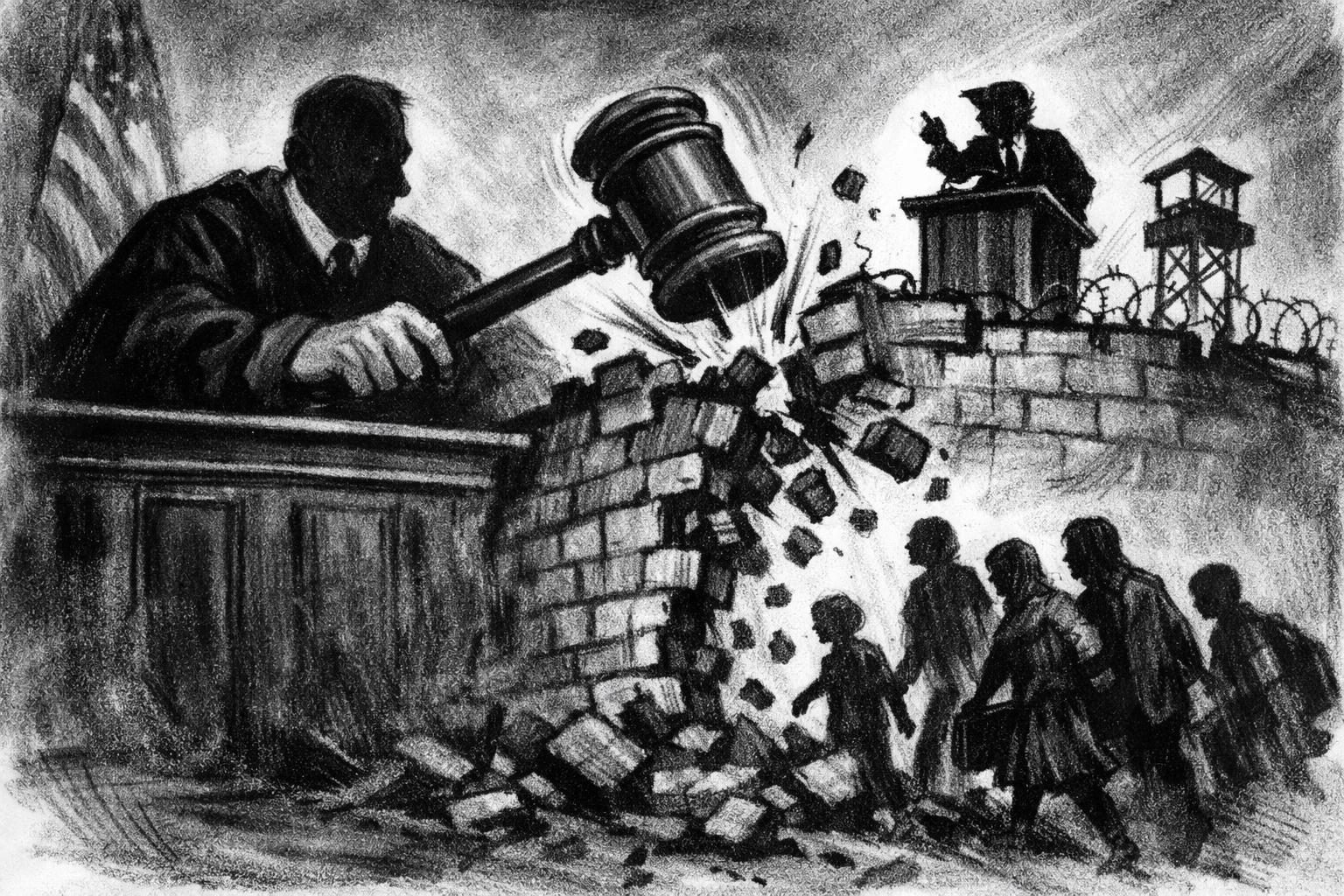
A federal judge on June 5 wiped out a Trump administration immigration directive that had frozen or slowed processing for a range of benefits for people from 39 countries, delivering another court setback to a White House effort to use nationality-based restrictions as a quick lever of border and security policy. The challenge did not ask the court to erase lawful status for everyone from those countries, and it was not framed as a general attack on the government’s ability to scrutinize immigration cases. Instead, it targeted internal USCIS memoranda that paused or froze action on applications tied to asylum and other immigration benefits, creating a system-wide bottleneck that left many applicants in limbo while officials sorted through the policy. The judge concluded that the agency had gone beyond what the law permits and had not offered a legally adequate explanation for the move. In the court’s view, the government did not just make a hard policy choice; it acted in a way that was contrary to law and arbitrary and capricious under the standards that govern federal agency decision-making.
The practical consequences were immediate and concrete for the people caught inside the freeze. Applicants from the covered countries faced delays in final decisions on asylum claims, work permits, green cards, and citizenship-related requests, even when their cases were already in process and they had every reason to expect the government to keep moving them forward. That kind of delay may sound technical from the outside, but for the people living through it, it can affect employment, housing, family stability, travel, and whether someone can keep a life in the United States from slipping into permanent uncertainty. The court’s ruling recognized that reality by focusing not only on the legal authority the agency invoked, but also on the failure to weigh the effect on people who had already begun relying on existing procedures. In other words, the government’s paperwork freeze was not just a management decision; it was a policy that changed the stakes for thousands of applicants without clearing the legal threshold required to do so. The ruling did not say the government can never impose restrictions or review cases from countries it views as presenting security concerns, but it did say the version it used here was not lawful as written or as explained.
The Trump administration had presented the changes as a national-security response after the November 2025 shooting of two National Guard members, and that episode was used to justify a more aggressive posture toward immigration processing for certain nationalities. The court was not persuaded that the attack on that ground, standing alone, supported the sweep of what officials put in place. The judge rejected the government’s security rationale as insufficient, emphasizing that an invocation of safety does not automatically excuse a policy from normal legal limits or from the obligation to explain why a particular measure is needed and why it fits within statutory authority. That point matters because the administration has repeatedly leaned on emergency-style framing and nationality-based restrictions as a way to present broad immigration controls as self-evidently necessary. This ruling pushed back on that logic by saying the government still has to show its work. It has to connect the dots between the perceived threat and the specific policy response, and it has to do so in a way that survives review under administrative law. The judge’s language also suggested that the agency did not sufficiently account for the reliance interests of people whose cases were already pending, which is a legal way of saying the government cannot casually upend settled expectations without a better justification than it offered here.
A week later, a separate compliance order required officials to begin following the earlier decision, underscoring how quickly the policy ran into a legal wall once the judge ruled. That sequence made the political and institutional stakes harder to ignore. On the political side, the administration once again pitched a hard-line immigration measure as a security necessity and then watched a court strip away the policy’s force. On the institutional side, the decision served as a reminder that even when the executive branch moves fast, it still has to stay within the bounds Congress set and provide a reasoned explanation that courts can evaluate. The broader fight over immigration has often turned on whether the White House can turn sweeping restrictions into a simple executive fix, especially when it attaches those restrictions to volatile public-safety concerns. This case suggests that approach still runs into familiar legal obstacles when the record does not support it. For the applicants affected by the freeze, the ruling does not erase the delays they already endured, but it does remove a barrier that had made an already slow system even more punishing. For the administration, the message was blunt: the government may want broad control, but it does not get to skip the law’s ordinary demands just because the policy is dressed up as urgent.
Comments
Threaded replies, voting, and reports are live. New users still go through screening on their first approved comments.
Log in to comment
No comments yet. Be the first reasonably on-topic person here.