
Judge orders Trump lawyers to explain missed deadline in BBC defamation case
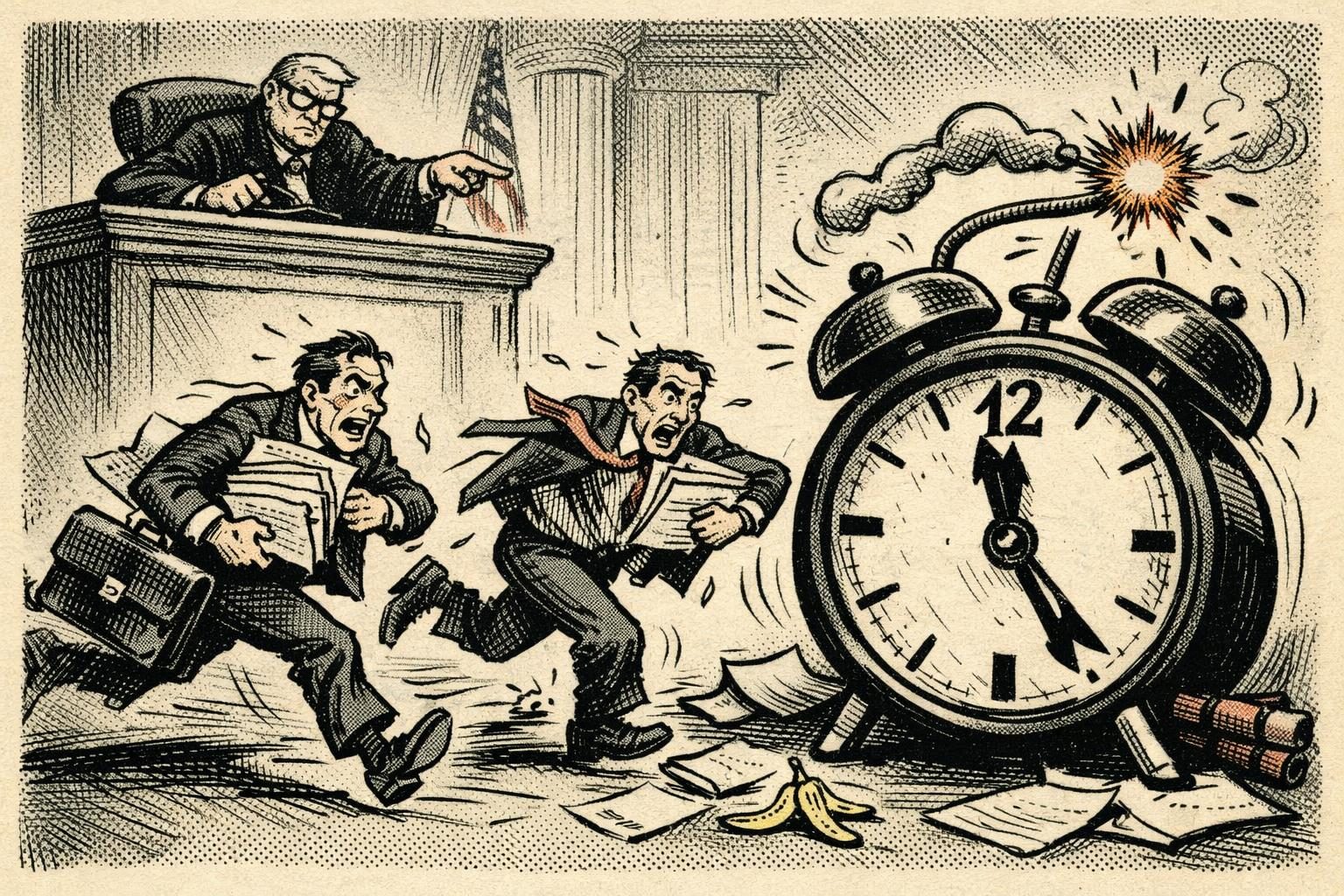
A federal judge in Miami on June 8 told President Donald Trump’s legal team to explain why it missed a June 5 deadline to respond to the BBC’s motion to dismiss his $10 billion defamation lawsuit. The order does not decide whether the case survives. It does put a simple question at the center of a high-dollar fight: why wasn’t the filing made on time?
The missed deadline matters because the court had already given Trump’s side more time before the June 5 cutoff. That makes the June 8 order less about a technical slip and more about whether the plaintiff’s team can keep up with the schedule the court has set.
The BBC moved to dismiss the suit in March, arguing that the Florida federal court does not have jurisdiction and that Trump has not stated a viable defamation claim. The broadcaster’s filing said the documentary at issue was not aired in Florida or anywhere else in the United States. Trump’s lawsuit centers on edits to a BBC documentary that spliced together portions of his Jan. 6, 2021, speech.
The case is also unusually large for a defamation dispute. Trump is seeking $5 billion for defamation and another $5 billion under an unfair-trade theory. The court has already put the case on a provisional track toward a February 2027 trial date, so the missed response deadline lands in a case that is already moving under a timetable, not drifting in open-ended litigation.
Comments
Threaded replies, voting, and reports are live. New users still go through screening on their first approved comments.
Log in to comment
No comments yet. Be the first reasonably on-topic person here.