
Trump Threatens Iran With a Price, but Leaves the Next Step Unclear
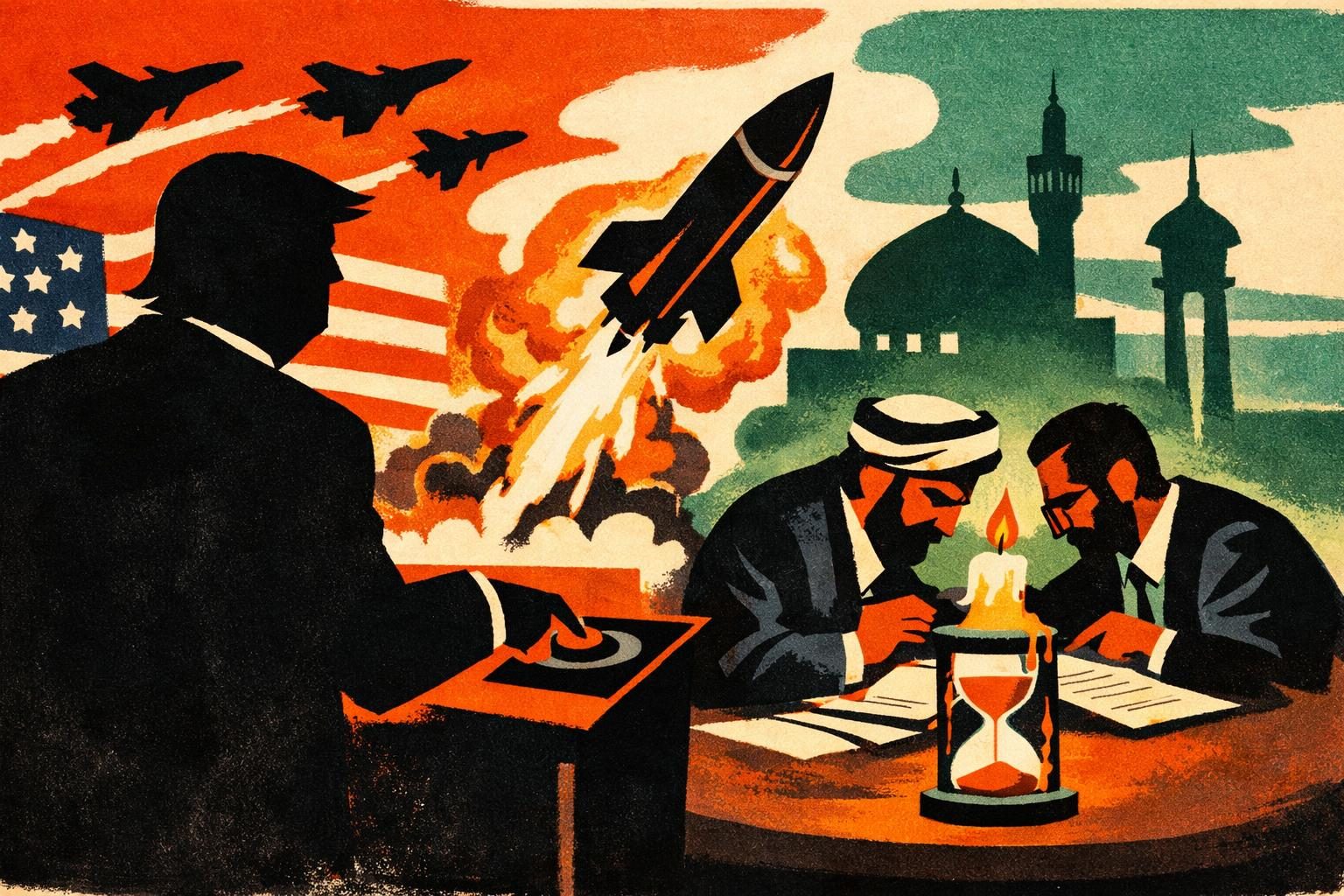
President Donald Trump escalated his language toward Iran on June 10, saying Tehran had taken too long to negotiate and would “pay the price.” That much is clear. What is not clear from the available record is whether the warning reflected an imminent policy move, a finished break in diplomacy, or simply another round of pressure from a White House that has repeatedly leaned on threat as leverage.
The strongest evidence is Trump’s own statement. The rest of the day’s coverage showed an administration talking tough, but it did not establish that new strikes had been ordered or that talks had formally ended. That matters because the difference between a public warning and an operational decision is the difference between rhetoric and action.
The earlier draft of this story went too far by implying Trump had signaled he was close to ordering more strikes. The sourcing provided here does not support that claim, so it is out. So is any suggestion that a specific backchannel arrangement had been confirmed in the open record. At most, the available reporting leaves room for the possibility that some contact remained, but it does not prove the state of those talks.
What remains is a narrower but still consequential fact pattern: Trump used a direct threat to raise pressure on Iran on June 10, and the public evidence available that day did not show a confirmed strike decision behind it. In other words, the message was unmistakable, but the next move was not.
That is where the story sits for now. Iran was being warned. Diplomacy was under strain. But the record does not support turning either of those points into a claim that strikes were ordered or that the negotiating channel had definitively collapsed.
Comments
Threaded replies, voting, and reports are live. New users still go through screening on their first approved comments.
Log in to comment
No comments yet. Be the first reasonably on-topic person here.