
USTR sets Brazil Section 301 hearing for July 6-7 after June determination
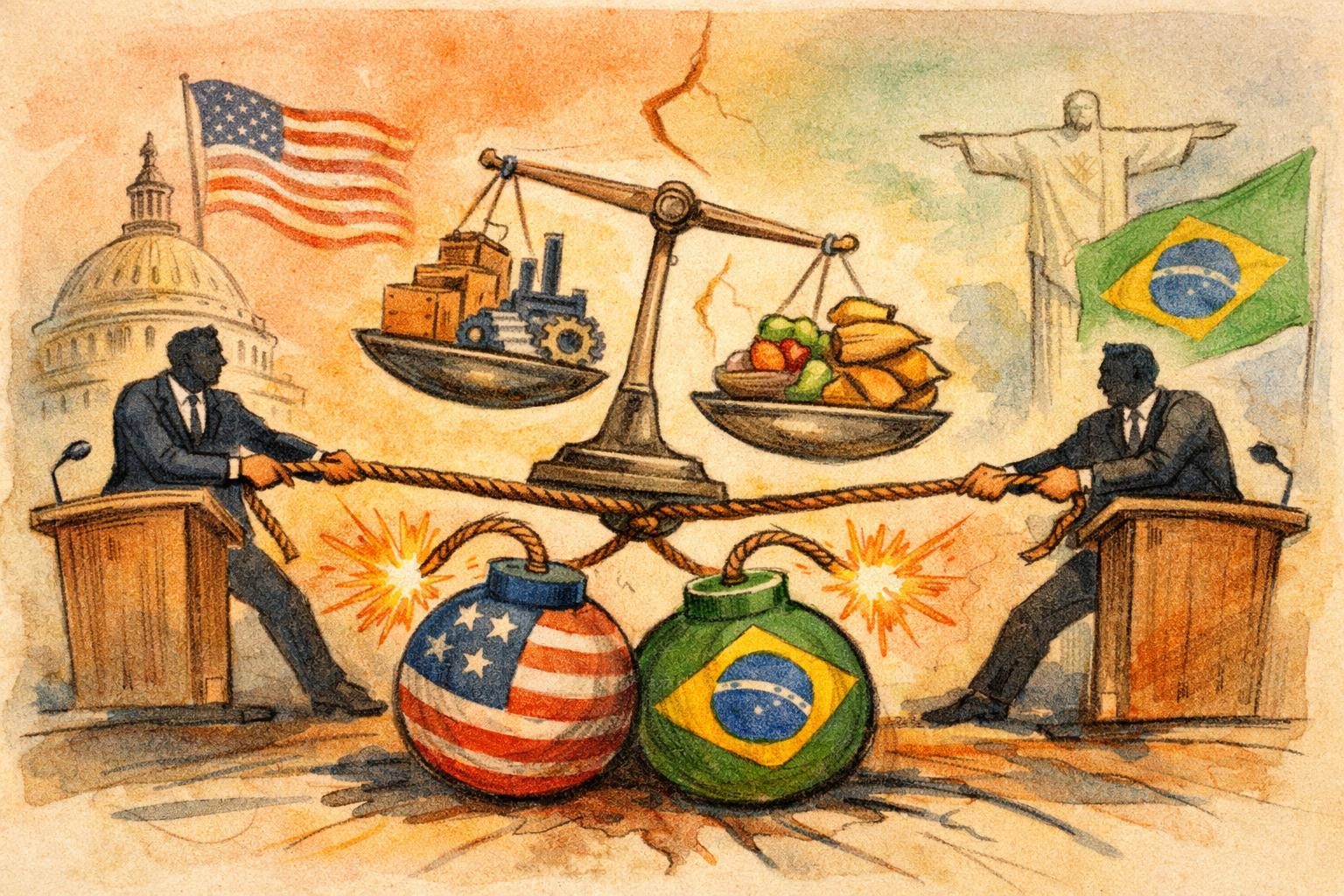
The Brazil trade case at USTR has moved from finding to hearing. On July 2, the Office of the United States Trade Representative said it will hold a public hearing starting Monday, July 6 and continuing Tuesday, July 7 on proposed responsive action in its Section 301 investigation of Brazil. The agency had already issued its determination on June 1, 2026, saying certain Brazilian acts, policies and practices are unreasonable and burden or restrict U.S. commerce under Section 301(b) of the Trade Act of 1974. ([ustr.gov](https://ustr.gov/about/policy-offices/press-office/press-releases/2026/july/public-hearing-proposed-responsive-action-section-301-investigation-certain-acts-policies-and))
The July 2 notice says the hearing will cover Brazil’s digital trade and electronic payment services, unfair preferential tariffs, anti-corruption enforcement, intellectual property protection, ethanol market access, and illegal deforestation. USTR set a July 1 deadline for written comments and said the hearing will begin at 10 a.m. Eastern at the U.S. International Trade Commission in Washington. The June 1 determination had referred to a hearing on July 6; the later notice clarified that the hearing will run across two days. ([ustr.gov](https://ustr.gov/about/policy-offices/press-office/press-releases/2026/july/public-hearing-proposed-responsive-action-section-301-investigation-certain-acts-policies-and))
The process matters because it gives the administration a formal record before it decides whether to impose responsive measures. USTR said in June that it was proposing responsive action for public comment while it continued to engage with Brazil. The agency also said at the time that the statutory deadline for taking responsive action is July 15, 2026. ([ustr.gov](https://ustr.gov/about/policy-offices/press-office/press-releases/2026/june/ustr-section-301-determination-brazils-unreasonable-acts-policies-and-practices))
The case is broad by design, and that breadth is part of the point. USTR is bundling digital commerce, tariffs, enforcement policy, intellectual property, ethanol access and deforestation into one Section 301 file. That makes the dispute more than a narrow customs fight. It also means any next step will be judged on whether it is a targeted remedy with a defensible record or just another escalation wrapped in trade-law language. ([ustr.gov](https://ustr.gov/about/policy-offices/press-office/press-releases/2026/july/public-hearing-proposed-responsive-action-section-301-investigation-certain-acts-policies-and))
For now, the most important fact is procedural: the Brazil case is no longer just a complaint on paper. USTR has set the hearing, published the comment timeline and put the dispute on a path that could end in new penalties if officials choose to move ahead. Brazil’s hearing date is set, the record is open, and the administration has given itself a deadline. What it does with that deadline is the next question. ([ustr.gov](https://ustr.gov/about/policy-offices/press-office/press-releases/2026/july/public-hearing-proposed-responsive-action-section-301-investigation-certain-acts-policies-and))
Comments
Threaded replies, voting, and reports are live. New users still go through screening on their first approved comments.
Log in to comment
No comments yet. Be the first reasonably on-topic person here.