
USTR turns the Brazil trade fight into a live hearing
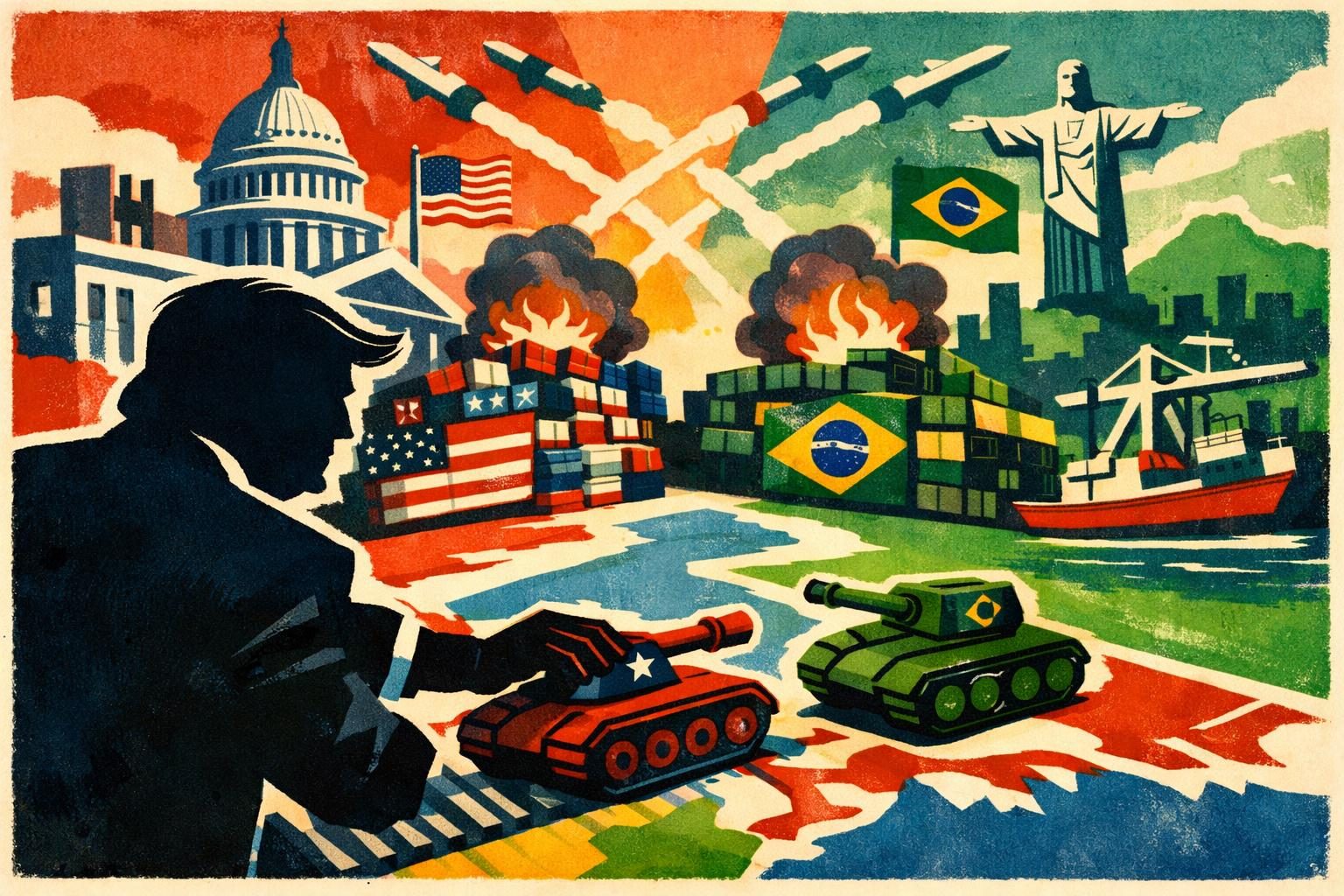
The Trump administration’s trade fight with Brazil has moved out of the realm of threat and into a formal process that can end in penalties. The Office of the United States Trade Representative said it will hold a public hearing on July 6 and July 7 on proposed responsive action in its Section 301 investigation of Brazil. That hearing comes after the June 1 determination that certain Brazilian acts, policies and practices are unreasonable and burden U.S. commerce. In practical terms, the administration is now building a record for possible action rather than simply issuing warnings. The calendar is doing a lot of the work here, because the hearing sets up a faster administrative track toward a July 15 deadline for deciding whether to impose responsive measures.
That may sound procedural, but the machinery matters. A Section 301 case is not just a complaint filed into the void; it is a structured pathway that can end with tariffs or other trade restrictions if the administration decides to move ahead. By setting hearings, accepting testimony, and inviting comments, USTR is turning a political standoff into a formal enforcement proceeding. The message to Brazil is hard to miss: the dispute has entered the stage where consequences become plausible, not merely rhetorical. For a White House that has repeatedly framed trade as a leverage exercise, the process itself is part of the pressure. It tells markets, industries, and foreign governments that a response is being actively assembled, not just discussed.
The breadth of the dispute also suggests this is about more than one complaint or one sector. The investigation touches digital trade, payment services, tariffs, anti-corruption enforcement, intellectual property, ethanol access, and deforestation. That wide frame makes the case look less like a narrow rule-enforcement action and more like a multi-front negotiation tool. It gives the administration multiple hooks to justify action and multiple points at which it can claim Brazil is distorting commerce or disadvantaging U.S. interests. It also makes the outcome harder to predict, because the issues involved cut across business regulation, market access, and broader policy disputes. In other words, this is not a tidy customs dispute. It is a deliberately expansive trade confrontation with political and economic dimensions layered on top of one another.
The July 6–7 hearing now becomes the next meaningful checkpoint, and whatever comes out of it will shape the administration’s posture before the July 15 deadline. If the White House chooses to proceed, it will have created a record showing that it considered public testimony and comments before taking responsive action. If it does not move forward, the hearing still serves as a reminder that the threat was real enough to justify a formal process. Either way, the administration has already signaled that it is prepared to put a major trading partner under trade pressure if it thinks that will deliver leverage. For now, the question is not whether the Brazil fight is serious. The question is whether the hearing ends as a warning shot or the first step toward actual punishment.
Comments
Threaded replies, voting, and reports are live. New users still go through screening on their first approved comments.
Log in to comment
No comments yet. Be the first reasonably on-topic person here.