
Trump’s Aircraft Trade Push Raises the Stakes Without Hitting the Industry With Tariffs Yet
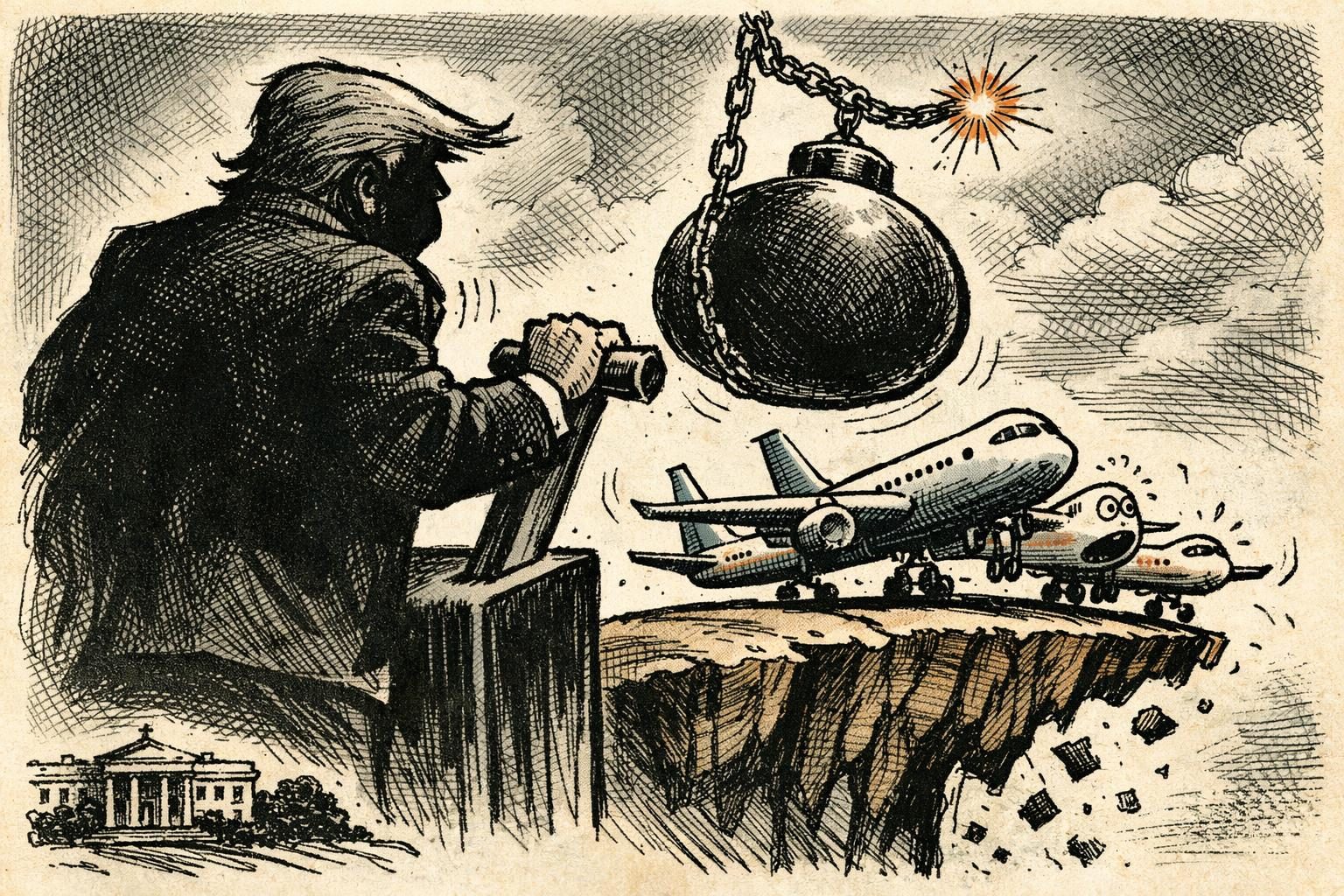
On July 9, the White House issued a proclamation on commercial aircraft, jet engines, and aircraft and engine parts that does something very familiar in Trump trade policy: it raises the pressure without finishing the job. The administration accepted Commerce’s Section 232 finding that imports in the sector pose national security concerns, but it did not announce an immediate new duty. Instead, the proclamation says the president can take additional action later, including tariffs, if the negotiated arrangements are not reached, are not implemented, or do not work as intended. It also directs the secretary of commerce and the U.S. trade representative to update the president within 180 days. That is leverage, not a tariff collection event, but it is still a real policy signal.
For the aviation business, the difference matters less than the uncertainty it creates. Airlines, engine makers, parts suppliers, lessors, and maintenance shops do not plan around short political clocks. They plan around aircraft certification, procurement contracts, production schedules, and repair capacity. A move that leaves future duties on the table without locking in the final rule can change pricing and sourcing decisions long before any money changes hands at the border. The White House gets to say it is acting. The industry gets a new reason to hedge.
The administration’s basic argument is straightforward enough: commercial aviation is a strategic industrial sector, and the United States should not be overly exposed to foreign supply chains for aircraft and critical components. That claim is not crazy on its face. But the proclamation is built more to keep options open than to state a clean endpoint. It preserves the right to escalate later while leaving companies to guess whether the next step will be tariffs, another remedy, or a negotiated off-ramp. That is the core of the trade fight here. The policy is not fully baked, but the pressure already is.
Politically, that gives the White House room to claim success either way. If trading partners make concessions, officials can say the threat worked. If talks stall, the administration can point to the 180-day update and argue it kept its powder dry before acting again. What the industry does not get is certainty. The proclamation does not settle the issue, but it does make the cost of waiting higher. In Trump’s trade playbook, that kind of unfinished action is often the point.
Comments
Threaded replies, voting, and reports are live. New users still go through screening on their first approved comments.
Log in to comment
No comments yet. Be the first reasonably on-topic person here.