
Trump reduces two Utah national monuments in a fresh public-lands clash
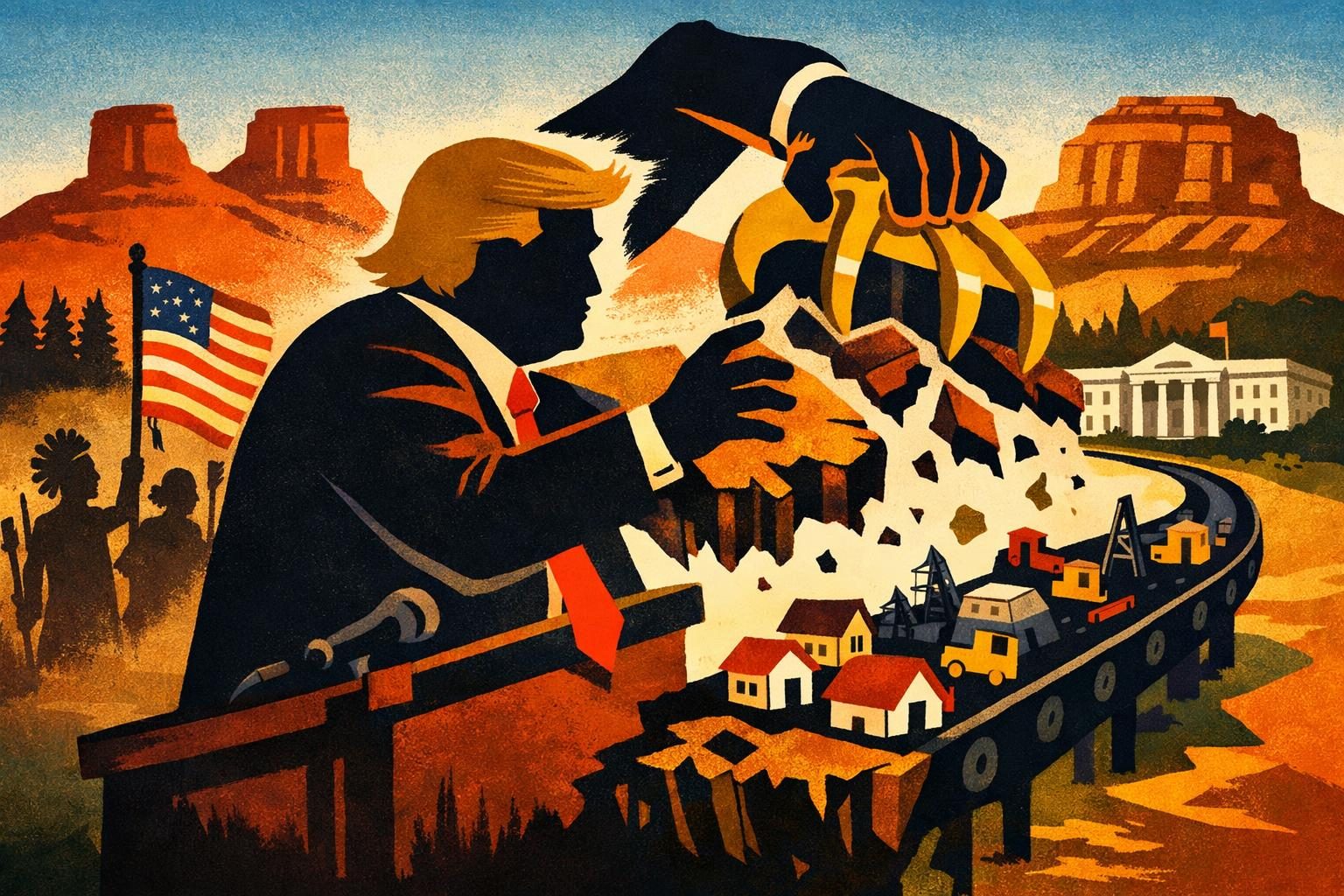
On July 13, 2026, President Donald Trump signed proclamations that reduce the boundaries of two of Utah’s most closely watched national monuments: Bears Ears and Grand Staircase-Escalante. The White House says the move is meant to reset land management on federal acreage in the state. Opponents are almost certain to treat it as the opening shot in another legal fight over whether a president can unwind monument protections established under the Antiquities Act.
The White House says Grand Staircase-Escalante will be reduced to about 181,500 acres from roughly 1.87 million acres, and Bears Ears will be reduced to about 121,100 acres from roughly 1.36 million acres. Those are major cuts, not technical boundary tweaks. The practical effect is to shrink the federal footprint around landscapes that previous administrations placed under special protection because of their archaeological, scenic, scientific, and cultural value.
Bears Ears carries a particular weight because multiple tribes have long argued that the area is a living cultural landscape, not just a stretch of federal land on a map. Grand Staircase-Escalante has become a symbol of the broader struggle over whether those lands should be managed primarily for preservation or opened more aggressively to grazing, drilling, roads, and other uses. Trump’s proclamations do not end that argument. They sharpen it.
The legal question is straightforward: can one president cut monument boundaries this deeply after another president used the same law to protect them? The administration is betting that the answer is yes. Critics are likely to file suit quickly and argue that the reductions exceed presidential authority. If the courts stop the proclamations, the move becomes another short-lived assertion of executive power. If they stand, future presidents will have a much easier path to rewriting monument boundaries whenever politics shifts.
For now, the White House is framing the decision as a land-management correction. Tribes, conservation groups, and many public-lands advocates are likely to see something else: a sharp rollback of protections that were supposed to be durable. Either way, the proclamations signed on July 13 have reopened a fight that is likely to move from Washington quickly into court.
Comments
Threaded replies, voting, and reports are live. New users still go through screening on their first approved comments.
Log in to comment
No comments yet. Be the first reasonably on-topic person here.