
Trump’s Election-Interference Rollout Still Blends Disclosure With Political Theater
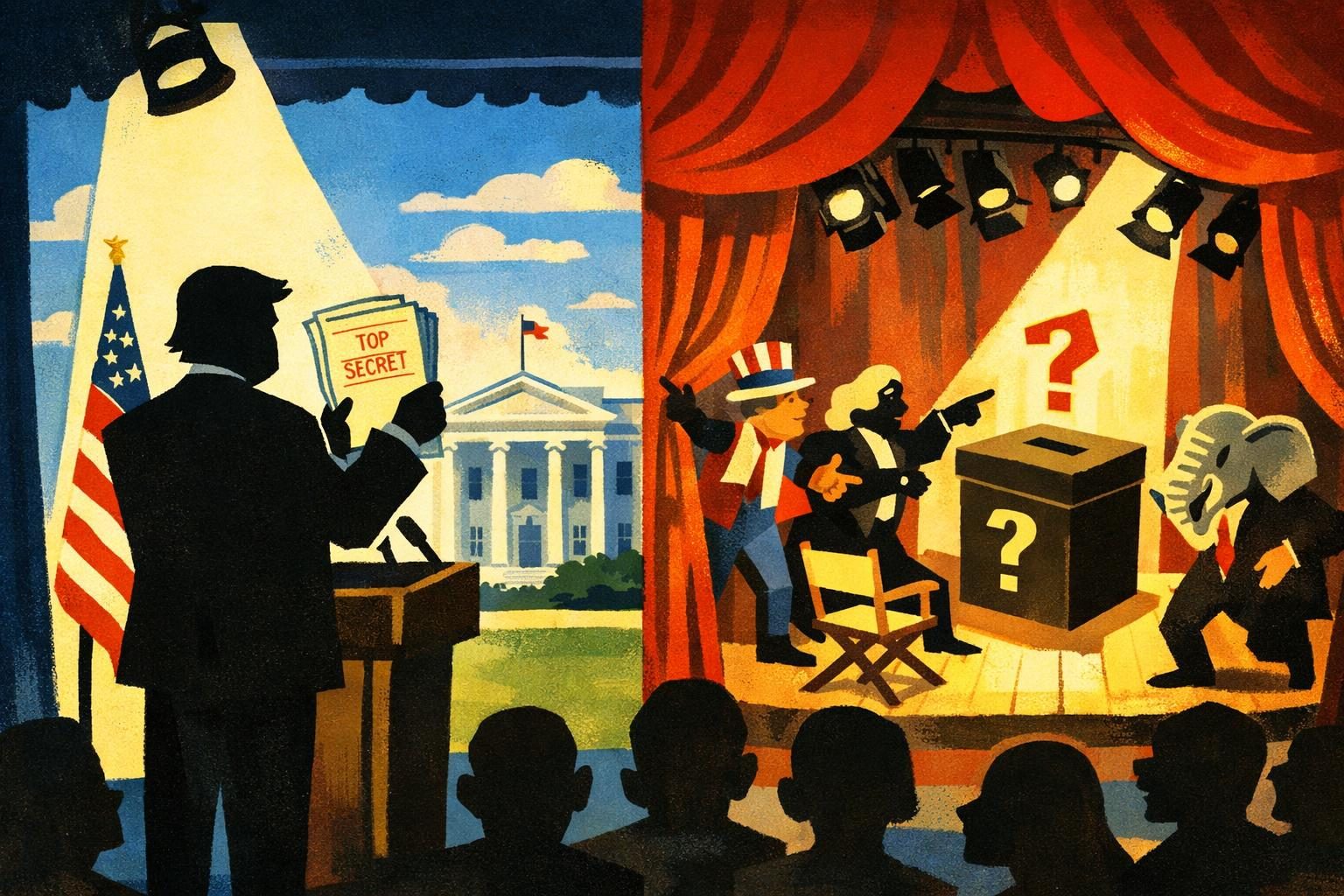
The White House’s July 17, 2026 rollout on election-interference material was presented as a transparency move. It included a presidential address and a declassification-focused release that said the administration was correcting the record on foreign interference, intelligence handling, and what it described as long-running suppression. The event itself is not in dispute. The question is what the administration turned it into.
The material was not unveiled as a narrow records release with a restrained explanation. It was packaged as a broad political message about hidden wrongdoing, institutional failure, and a president stepping in to expose it. That is a useful frame if the goal is to rally supporters and cast the administration as the only honest broker in the room. It is a more complicated fit if the goal is simply to improve public understanding of election security or intelligence practice.
That tension is the point. Declassification can serve a legitimate public purpose. Oversight can serve a legitimate public purpose. So can a serious debate about how election-related threats are documented and communicated. But once those subjects are wrapped in language about coverups, suppression, and enemy institutions, the release stops being just disclosure. It becomes an argument about whom the public should trust and whom it should distrust.
Critics of the rollout will see that as the problem: the government is not merely releasing information and stepping back. It is using official channels to steer the interpretation of that information. Supporters will say the White House is finally putting documents in front of the public and forcing accountability. Both things can be true at once. The factual release is real. So is the political framing around it.
The longer-term effect is harder to measure, but easier to spot. Every time official power is used to stage a fight over hidden enemies and institutional betrayal, the line between governance and campaigning gets thinner. The administration may argue that it is restoring trust by showing its work. Its critics will argue that it is doing the opposite: turning a disclosure into a loyalty test. Either way, the July 17 rollout was not just about what was declassified. It was also about how the White House wanted the country to read it.
Comments
Threaded replies, voting, and reports are live. New users still go through screening on their first approved comments.
Log in to comment
No comments yet. Be the first reasonably on-topic person here.