
Trump Orders Defense Supply-Chain Shift, But the Policy Still Smells Like More Whiplash
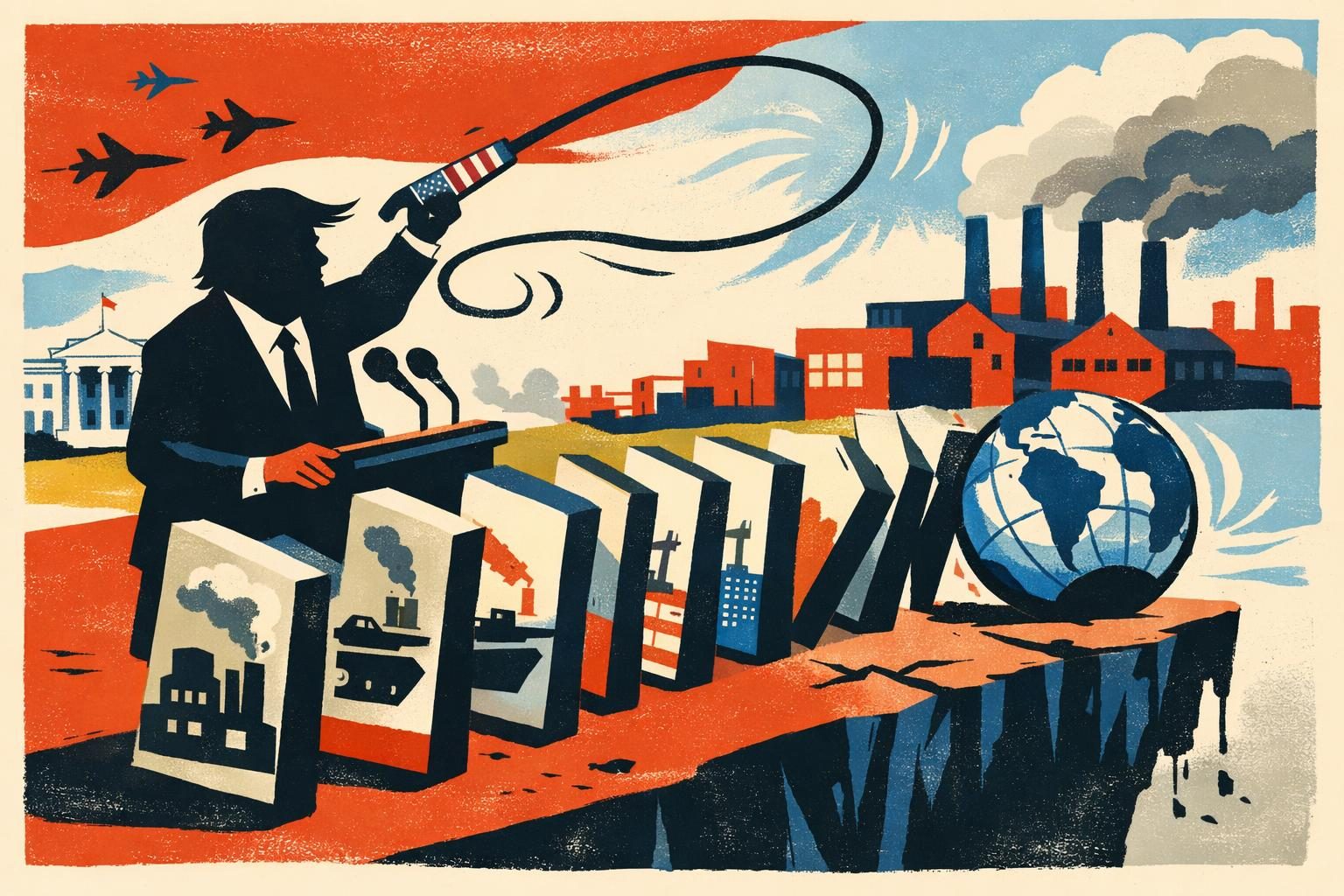
On July 20, the White House put out an executive order with a title that does a lot of work before anyone even gets to the substance: “Securing America’s Defense Supply Chains and Ensuring Domestic Acquisition of Critical Materials.” The order is meant to push defense contractors toward more domestic sourcing and more reliance on trusted allies for materials the Pentagon considers critical, while also telling agencies to keep a close eye on imports tied to commercial aircraft, jet engines, and related parts. The accompanying fact sheet says the administration wants to narrow waivers for certain covered materials, require mitigation plans in some situations, and build a more complete map of defense supply chains. On its face, this is not a fantasy problem. Military production really does depend on fragile, deeply linked networks of suppliers spread across multiple countries, and those networks can be exposed to physical disruption, cyber trouble, and economic pressure. The White House is not inventing that vulnerability. But the familiar Trump pattern is still there: identify a real structural problem, then respond with a sweeping directive that makes the fix sound simpler than it is.
That gap between the announcement and the actual mechanics is where the trouble starts. Defense supply chains are not adjustable by presidential force alone, because they are built around certification rules, long-term contracts, highly specialized vendors, and years of accumulated technical know-how. If a contractor needs to shift a critical mineral or component to a new U.S. supplier, it is not as simple as swapping one name on a purchase order. The company may need new tooling, quality checks, testing, engineering work, and a long qualification process before the new source can reliably support production. The White House says the policy should encourage domestic and partner-nation sourcing while also easing some regulatory barriers that can slow qualification. That may help at the margins, especially if agencies actually move quickly and consistently. But a policy that sounds like resilience can produce the opposite if implementation is messy. A rushed shift can lead to uncertainty, bottlenecks, and expensive stopgap planning by contractors who are trying to protect themselves from a rule set that may still be changing as they adapt to it.
The order also reflects a broader habit in Trump’s industrial policy approach: treat supply chains like a loyalty test and a national-security drama at the same time, even when the underlying issue is mostly a management challenge. The language in the order leans on concepts like “unreliable foreign supplier” and gives the executive branch a fair amount of discretion over how broadly to interpret the policy. That means the real shape of the program will not be defined by the text alone. It will depend on later decisions from agencies that have to sort out what counts as critical, what qualifies for a waiver, how far mitigation requirements should go, and how much flexibility contractors will actually get while trying to rework their sourcing. That is exactly the kind of environment businesses dislike most. It is not a clean yes-or-no rule. It is a moving target, with major compliance consequences attached to decisions that may not be fully settled for months. Contractors will have to decide whether to build inventory, wait for more guidance, start re-sourcing immediately, or brace for another policy pivot. In the Trump era, that kind of turbulence is often sold as toughness. In practice, it can become confusion dressed up as resolve.
The political appeal is obvious, even if the operational logic is shakier. Trump likes big top-down directives because they let him look forceful while pushing the bureaucracy into motion, and national security is a particularly useful arena for that style because it makes any hesitation sound like weakness. The administration can point to genuine vulnerabilities in defense sourcing and argue, not unreasonably, that the United States should reduce dependence on fragile or hostile supply channels and strengthen domestic capacity where it can. What it cannot honestly claim is that an executive order alone creates the industrial base, workforce, tooling, and supplier confidence needed to make that happen smoothly. The fact sheet itself makes clear how many moving parts are involved: mitigation plans, supply-chain mapping, partner-nation sourcing, qualification standards, and the removal of regulatory barriers that slow requalification. Those are all real policy questions, but they are also the opposite of instant fixes. If the administration keeps moving faster than industry can absorb, the end result may not be resilience at all. It may be another round of procurement whiplash, with defense firms left to guess what Washington wants while trying not to break the production systems the Pentagon depends on. That is a messy way to govern, and on a bad day it can become more than messy: it can turn into a real cost for national security when suppliers spend their time reacting to policy turbulence instead of building dependable output.
Comments
Threaded replies, voting, and reports are live. New users still go through screening on their first approved comments.
Log in to comment
No comments yet. Be the first reasonably on-topic person here.