
Trump’s aluminum order turns tariff relief into a conditional industrial bet
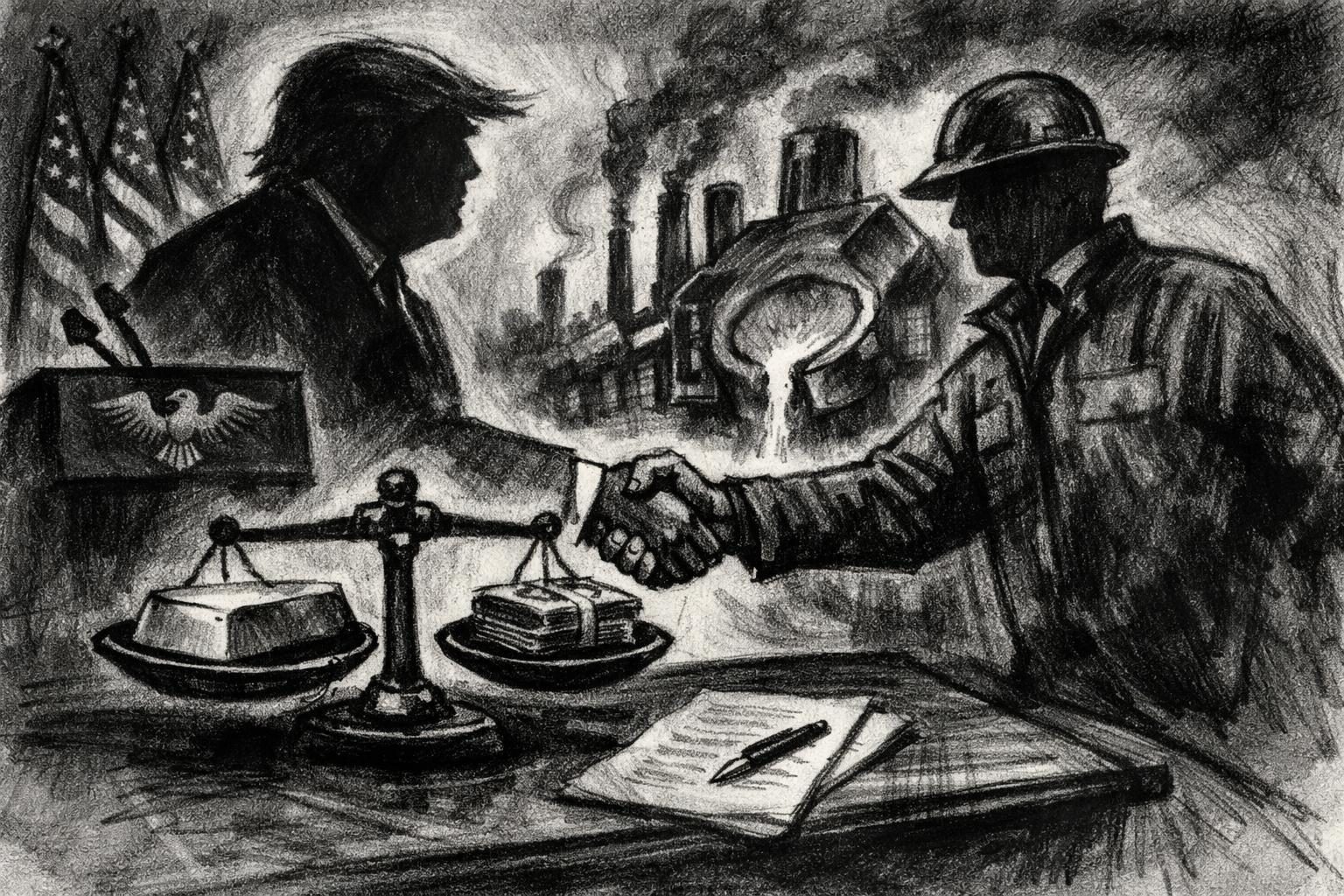
President Donald Trump’s July 20 aluminum proclamation does not unwind the tariff regime around imports. It preserves the Section 232 structure and adds a new channel for companies that want to seek lower duties by pairing imports with domestic investment plans. The White House says the point is to strengthen domestic supply chains, support industrial capacity, and reduce reliance on foreign sources for material the administration sees as strategically important. For now, though, the order is best understood as a program announcement, not proof that new smelters or major investments are already locked in.
Under the proclamation and the companion fact sheet, companies with approved onshoring plans may import primary aluminum tied to the project’s expected annual output at half the otherwise applicable Section 232 rate. The plan has to clear Commerce, and the construction tied to it must begin by Jan. 20, 2029. The administration says the Secretary of Commerce may monitor the projects, require information, and stop or rescind the benefits, including retroactively, if a company does not follow through or if the submission proves inaccurate. That makes the relief conditional and revocable, not automatic.
The structure gives the government a strong hand in deciding who qualifies and when. It also means the lower rate is not available simply because an importer wants it; it is tied to an approved investment proposal. That matters because it turns tariff relief into a negotiated incentive, with access to the reduced rate hinging on a future domestic buildout rather than on a broad market rule.
The policy also exposes a familiar tension in Trump-era trade strategy. The White House is trying to use import barriers to make domestic production look more attractive while offering selected firms a way to ease the burden if they commit to building in the United States. That may help some projects pencil out, but it also leaves companies depending on executive approval, ongoing compliance checks, and a benefit that can be withdrawn if the deal sours. The order’s reach is real; so is its uncertainty. It is an incentive system, not a finished industrial outcome.
Comments
Threaded replies, voting, and reports are live. New users still go through screening on their first approved comments.
Log in to comment
No comments yet. Be the first reasonably on-topic person here.