
Critics Say White House Transcript Archive Is Spotty, Raising Transparency Questions
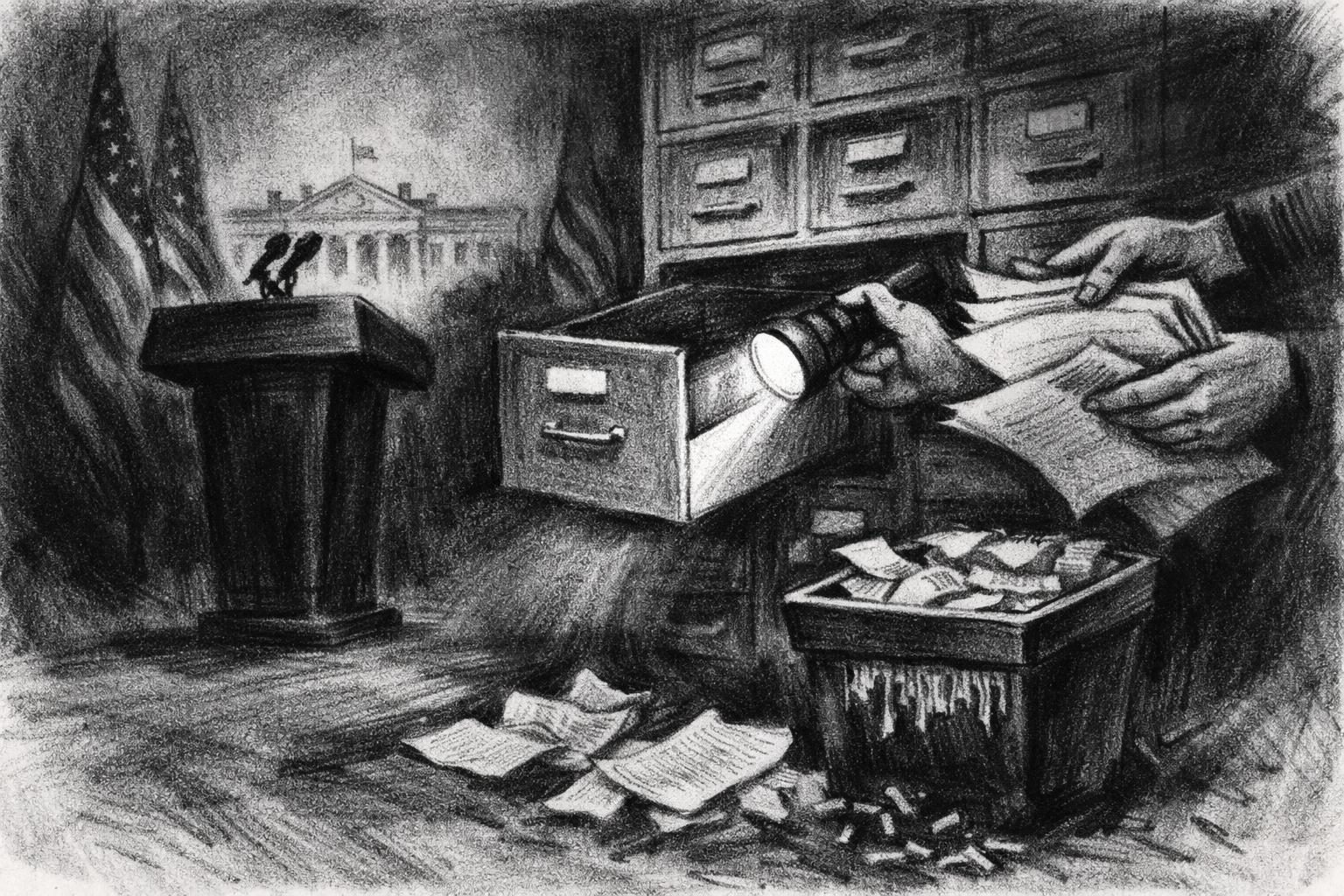
The fight over White House transcripts is not about whether the administration speaks in public. It is about how reliably those remarks are preserved after the cameras stop rolling. Critics say the official archive has been spotty, with transcripts harder to find or missing from the White House website at times, and that the result is a thinner public record than a presidency should leave behind. Senate Democrats say they stepped in because, in their view, the White House quietly began removing official transcripts in late May 2025. ([democrats.senate.gov](https://www.democrats.senate.gov/newsroom/trump-transcripts?utm_source=openai))
That matters because transcripts are the cleanest way to verify exact wording. They let reporters, watchdogs, historians, and ordinary readers compare a later explanation with the original comments instead of relying on clips, memory, or social media reposts. When the archive is incomplete or difficult to navigate, the burden shifts from the government to everyone else trying to document what was said. That does not prove why any transcript was missing, and it does not establish a formal policy of deletion. But it does mean the public record is less consistent than it should be. ([democrats.senate.gov](https://www.democrats.senate.gov/newsroom/trump-transcripts?utm_source=openai))
The White House still maintains a public releases page, and the issue here is narrower than the absence of all official material. The dispute centers on transcript accessibility and archiving: what gets posted, how quickly it appears, and whether it stays easy to retrieve later. AP reported in May 2025 that the White House website showed a sporadic commitment to documentation, with the remarks archive not keeping pace with the president’s public activity. Senate Democrats’ archive now preserves a running set of transcripts they say were not consistently available on the White House site. ([apnews.com](https://apnews.com/article/b136aa4018a1c9796d844ed9389a19c8?utm_source=openai))
The practical effect is simple. If the official version of a president’s words is harder to find, outside archives become more important. That is not a conspiracy theory and it is not proof of intent. It is a record-keeping problem with political consequences. A White House that wants its public remarks treated as authoritative also has to make those remarks easy to verify after the fact. When the archive is uneven, the criticism is predictable: the administration may not be erasing history, but it is making history harder to check. ([democrats.senate.gov](https://www.democrats.senate.gov/newsroom/trump-transcripts?utm_source=openai))
Comments
Threaded replies, voting, and reports are live. New users still go through screening on their first approved comments.
Log in to comment
No comments yet. Be the first reasonably on-topic person here.