
Mississippi lawmakers move on redistricting after the court door opens
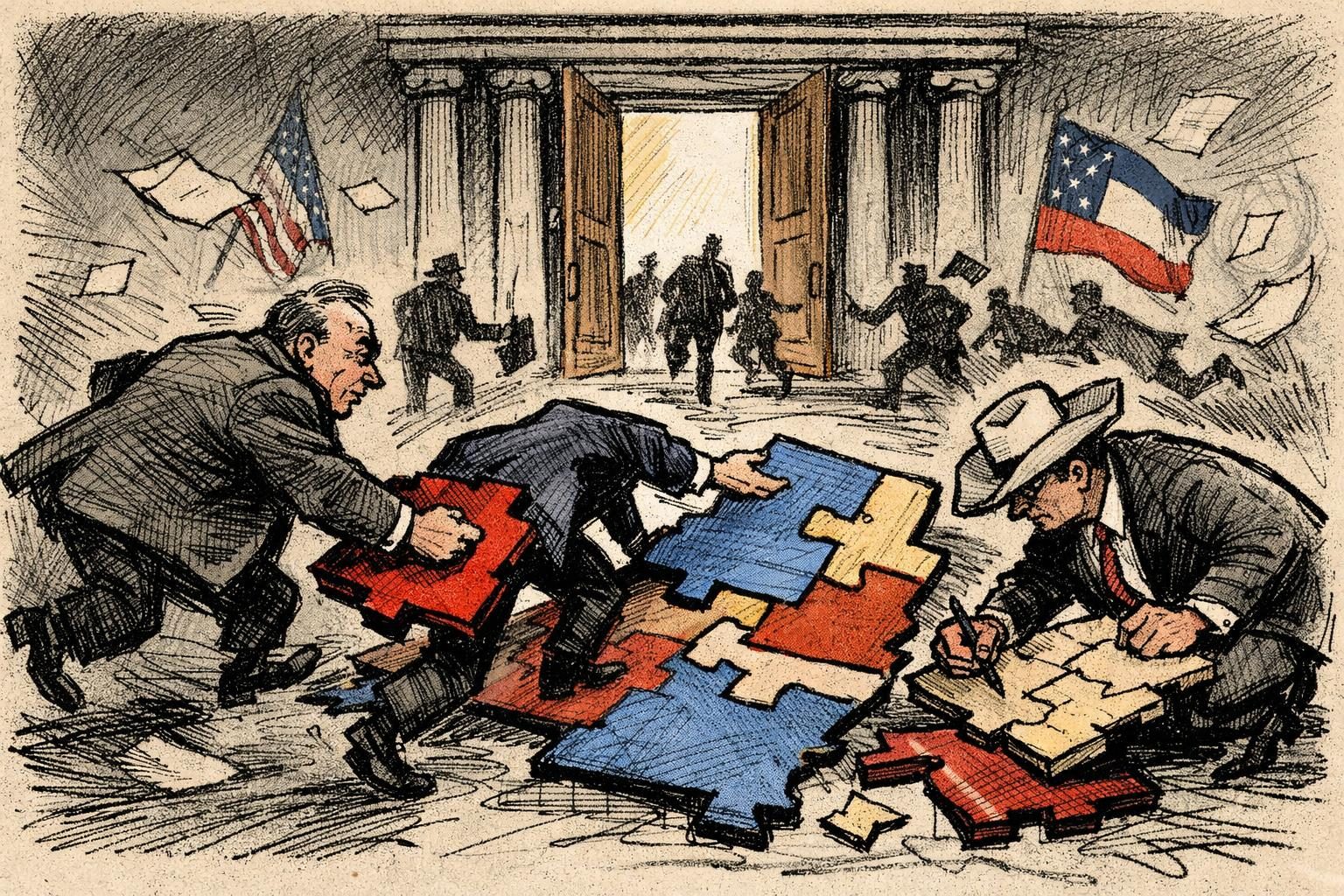
Mississippi lawmakers are now moving on redistricting with fresh urgency after a Supreme Court-related opening changed the political calculation around the state’s maps. What had been a slow-burn issue has turned into a live scramble, with legislators, election officials, lawyers, and partisan operatives all trying to figure out whether the state is headed for a limited adjustment or a much broader remap. The immediate significance is that this is no longer just an abstract fight over district shapes and legal theory. It is now tied directly to the 2026 election calendar, which means candidate planning, filing decisions, and campaign strategy could all be affected before anyone has had time to settle into the usual summer political routine. In a state where control of district lines can decide who holds power for years, the rush itself is part of the story.
The opening came through a court action that reopened the door to redistricting work, and Mississippi’s response suggests lawmakers do not intend to leave that door standing open for long without trying to walk through it. The move sets off the familiar sequence: procedural maneuvering, public statements about fairness, and behind-the-scenes bargaining over what kind of redraw is legally defensible and politically useful. That is especially true when race and representation are part of the equation, as they almost certainly are here. Civil-rights advocates are likely to see any new map through the lens of Black political power and whether existing districts protect or weaken it. Republican officials, by contrast, are likely to argue that any changes are about compliance, technical correction, or making the map stand up in court, even if everyone in the room understands that district lines are never just technical. The result is a political environment in which every claim of neutrality will be treated as an opening argument rather than a final answer.
What makes this matter beyond the boundaries of Jackson is the combination of timing, legal risk, and electoral consequence. Redistricting is one of the few political acts that can shape an entire cycle before a single vote is cast, because changing district boundaries changes who runs, where they run, and what kind of electorate they have to assemble to win. Even a partial redraw can alter turnout plans, fundraising decisions, and the balance of representation in the legislature. In Mississippi, where demographic and partisan fault lines overlap, the stakes are especially high. A new map could affect how many districts are competitive, how safely some incumbents sit, and whether minority communities feel they have a meaningful voice in the process. That is why the fight is likely to be framed in moral language by both sides, even though the underlying motive for everyone involved is power. The legal backdrop only increases the pressure, because any map produced under this cloud is likely to attract immediate scrutiny and maybe a fresh challenge before it ever has time to settle into use.
The practical consequence is a scramble in real time. Lawmakers have to decide whether to push forward quickly, slow-walk the process, or try to negotiate a compromise that can survive both court review and public criticism. Lawyers are already likely looking for vulnerabilities in any proposed redraw, while advocacy groups are preparing to argue that the process could dilute Black representation or otherwise violate voting rights protections. Campaigns, meanwhile, have to plan under conditions of uncertainty, which is about as helpful as trying to draft a game plan while someone keeps moving the field. If the state changes district lines, even slightly, candidates may have to rethink where they live, where they can realistically win, and which voters they need to persuade first. That uncertainty can also suppress would-be challengers, because politicians often wait to see whether they are running in a district they recognize or in one that has been redrawn into something unfamiliar. The longer this drags out, the more every decision gets distorted by the possibility that the final map may look nothing like the current one.
This is why the redistricting fight is likely to end up back in court no matter how it begins. A state legislature can vote to redraw maps, but it cannot vote away the constitutional and statutory questions that come with changing lines that affect race and representation. If Mississippi moves ahead, the process will probably generate immediate claims that the new districts either overcorrected or did not correct enough. That means more hearings, more motions, and more public statements from officials insisting they are simply following the law while their opponents accuse them of gaming the system. The larger political question is whether the state is trying to solve a genuine map problem or using the court opening to gain an electoral advantage under the cover of compliance. The answer may depend on which side is talking, but the consequences will be felt by voters and candidates regardless. For now, Mississippi’s redistricting fight looks less like a clean procedural update and more like the start of another round in a long-running contest over who gets to draw democracy’s boundaries and who gets stuck living with them.
Comments
Threaded replies, voting, and reports are live. New users still go through screening on their first approved comments.
Log in to comment
No comments yet. Be the first reasonably on-topic person here.