
Fed ethics fight turns into a daylight problem for the central bank
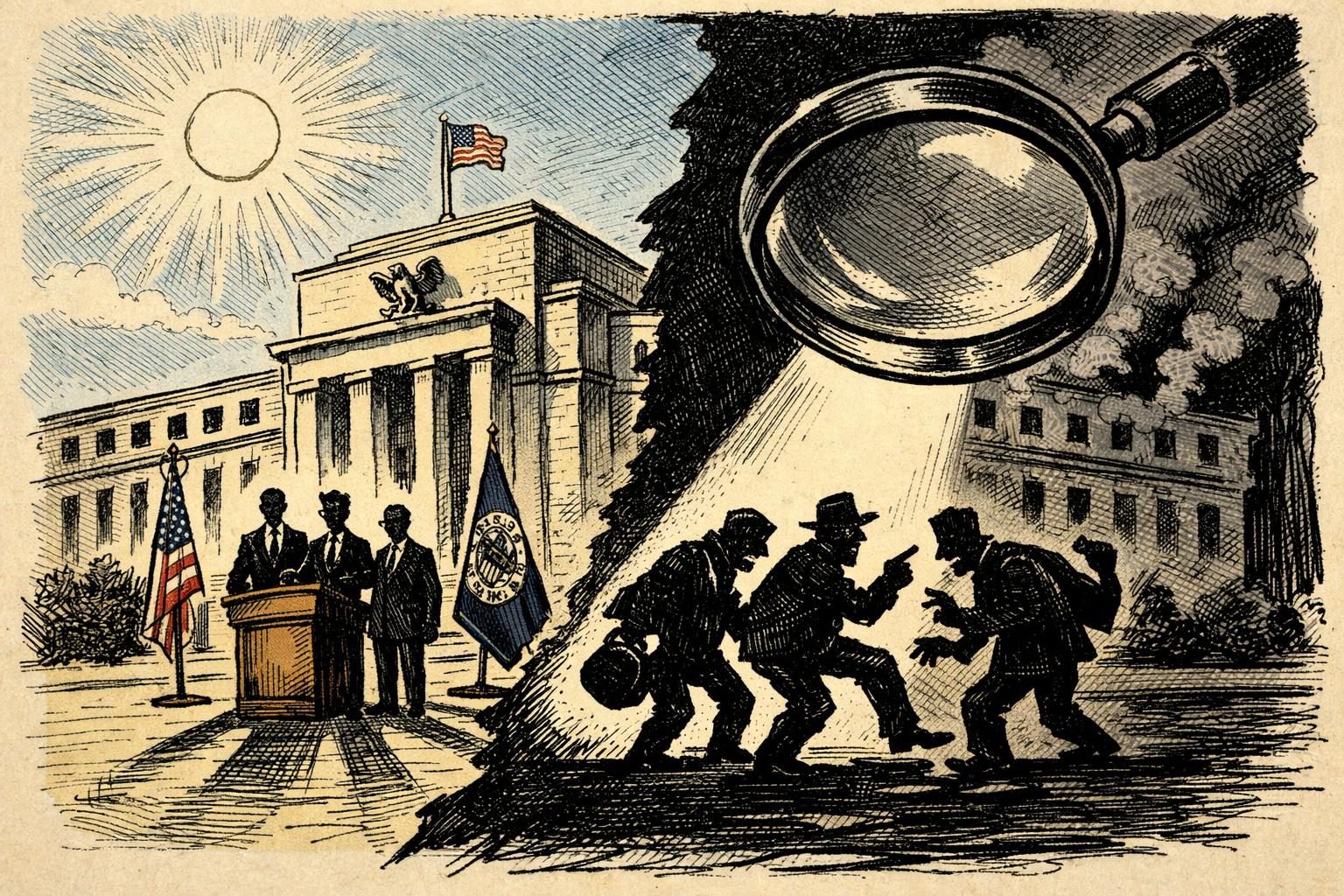
The Federal Reserve found itself dealing with a very public ethics headache on August 6, 2026, after an internal matter that had been treated as a standards and conduct issue spilled into the open and started to look less like routine housekeeping and more like a test of institutional discipline. What began as a concern inside the central bank’s own governance structure quickly became a broader question about whether the Fed can police itself without giving the appearance that it is circling the wagons. That distinction matters a great deal for an institution that depends on trust, not charisma, to do its job. The Fed is not supposed to be exciting, and when it is, that usually means something has gone wrong. In this case, the issue is not just that there is a controversy, but that the controversy involves conduct at a level where the public is likely to assume the standards should be highest and the scrutiny most exacting.
That is why the problem has already moved beyond the details of any one personnel matter. The central bank’s authority rests heavily on the idea that its decisions are guided by data, process, and a sense of institutional restraint, not personal loyalty or convenient exceptions. When an ethics dispute lands in a senior policymaking circle, it raises awkward but unavoidable questions about disclosures, judgment, and the internal mechanisms meant to catch problems before they become public embarrassments. It also invites a more basic challenge: if the Fed insists that credibility is essential to monetary policy, how credible does it look when it appears to be struggling with its own rules? For critics, the answer is obvious enough to exploit. For defenders, the point is that internal review is exactly what should happen when concerns arise, rather than a rush to public verdicts before the facts are settled. Both positions have force, which is part of why the story has become more than a narrow administrative dispute.
The political stakes are real because the Federal Reserve has spent years defending itself against accusations that it operates like an insulated elite institution, too remote from accountability and too comfortable enforcing norms only when the pressure is low. That perception does not require a dramatic scandal to take hold; often, it is enough for people to see what looks like a double standard. If lawmakers decide to lean in, they are likely to press for details about the process, the timing of the response, and whether the institution would have moved with the same urgency if the person involved were less central to the policymaking apparatus. Outside watchdogs will probably ask similar questions, especially about transparency and whether the Fed’s own ethics framework is strong enough to reassure the public that rules are being applied evenly. Supporters of the central bank will counter that formal scrutiny is a sign of seriousness, not concealment, and that an institution should not be punished for taking a complaint or concern through the proper channels. Still, the optics are awkward, and in a year defined by political suspicion, awkward optics can harden quickly into a broader narrative about privilege and self-protection.
For now, the most important fact is that the Fed’s effort to contain the matter has not kept it from becoming a credibility story. That is the real damage, because the central bank can survive criticism over policy choices or economic forecasts, but it is much harder to absorb a hit to the moral authority that underpins its independence. Even if the underlying conduct concern turns out to be limited, the institution has already been forced to spend attention on explaining itself rather than projecting calm. If the record continues to develop in the same direction, this episode could evolve from an embarrassing ethics flare-up into a broader governance debate about how insulated federal institutions handle misconduct when the public is watching closely. The immediate fallout is not a market shock or a policy reversal. It is a quiet but corrosive loss of serenity, and for the Fed, that is never trivial. A central bank that tells everyone else to trust the system cannot afford to look uncertain about its own rules, especially when the scrutiny is happening in daylight.
Comments
Threaded replies, voting, and reports are live. New users still go through screening on their first approved comments.
Log in to comment
No comments yet. Be the first reasonably on-topic person here.