
Trump gets a temporary pass on opening his books in BBC fight
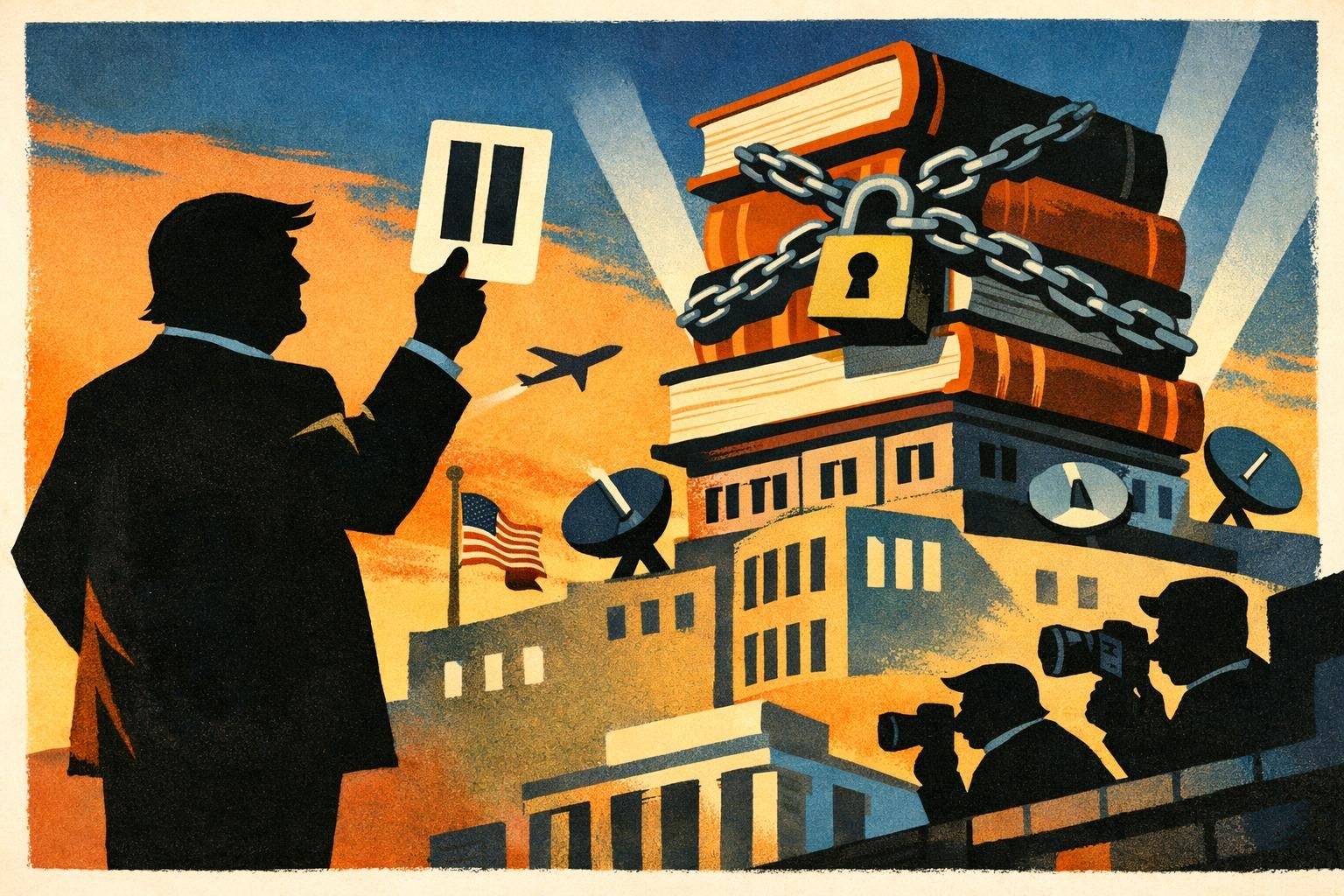
A federal judge in Florida has given President Donald Trump a temporary break from a discovery order that would have pushed him to start turning over financial details tied to his business empire in his lawsuit against the BBC. The pause is not a final victory for Trump, and it does not end the underlying fight. It simply delays a disclosure battle that could force his lawyers to explain how much of his company’s financial machinery is fair game in a case he says stems from the editing of a speech in a documentary. In practical terms, the ruling buys time. In political terms, it keeps alive one more high-stakes dispute in which Trump is trying to press a media grievance without immediately opening the books on the businesses behind it.
That matters because this case is not just about whether a documentary handled a speech in a way Trump found objectionable. It is also about what a plaintiff has to reveal when he claims he was harmed and wants billions of dollars in damages. The larger the alleged injury, the harder it becomes to keep the court from asking how that injury is measured. Trump’s lawyers appear to be trying to narrow the case so the focus stays on reputation and away from any deeper look at the finances of his companies. The judge’s pause gives them a little room to make that argument, at least for now. But it does not resolve the basic problem that once money enters the lawsuit, the numbers tend to follow.
That is why this looks less like a substantive win than a strategic delay. Trump has spent years treating litigation as part grievance, part theater, and part pressure campaign, especially when the target is a news organization or media institution. In those fights, the legal process can become a way to punish critics, redirect attention, and create a story about being wronged. At the same time, he has repeatedly resisted any effort that would force more transparency about the financial operations behind his claims. That tension is now front and center again, with the judge effectively allowing the argument over scope and relevance to continue before the disclosure demands begin in earnest. For Trump, that is useful. For everyone else watching, it is another reminder that his preference is to demand accountability without offering much of it himself.
The amended complaint now under review could shape how far the case goes and how much of Trump’s business information becomes part of the record. If the court accepts the revised filing, his lawyers may be able to limit the discovery fight and keep the details more tightly controlled. If the court rejects it, Trump could soon be back where he does not want to be: facing requests for the kind of financial disclosure that would illuminate how he says the BBC’s documentary affected him. Either way, the temporary pause does not make the issue disappear. It only postpones a conflict that was already heading toward uncomfortable questions about damages, credibility and the numbers Trump would presumably prefer not to hand over. For now, the books stay shut. The argument over whether they must open is just on hold, not over."}
Comments
Threaded replies, voting, and reports are live. New users still go through screening on their first approved comments.
Log in to comment
No comments yet. Be the first reasonably on-topic person here.