
Defense contractor settles a False Claims Act mess tied to government conflict
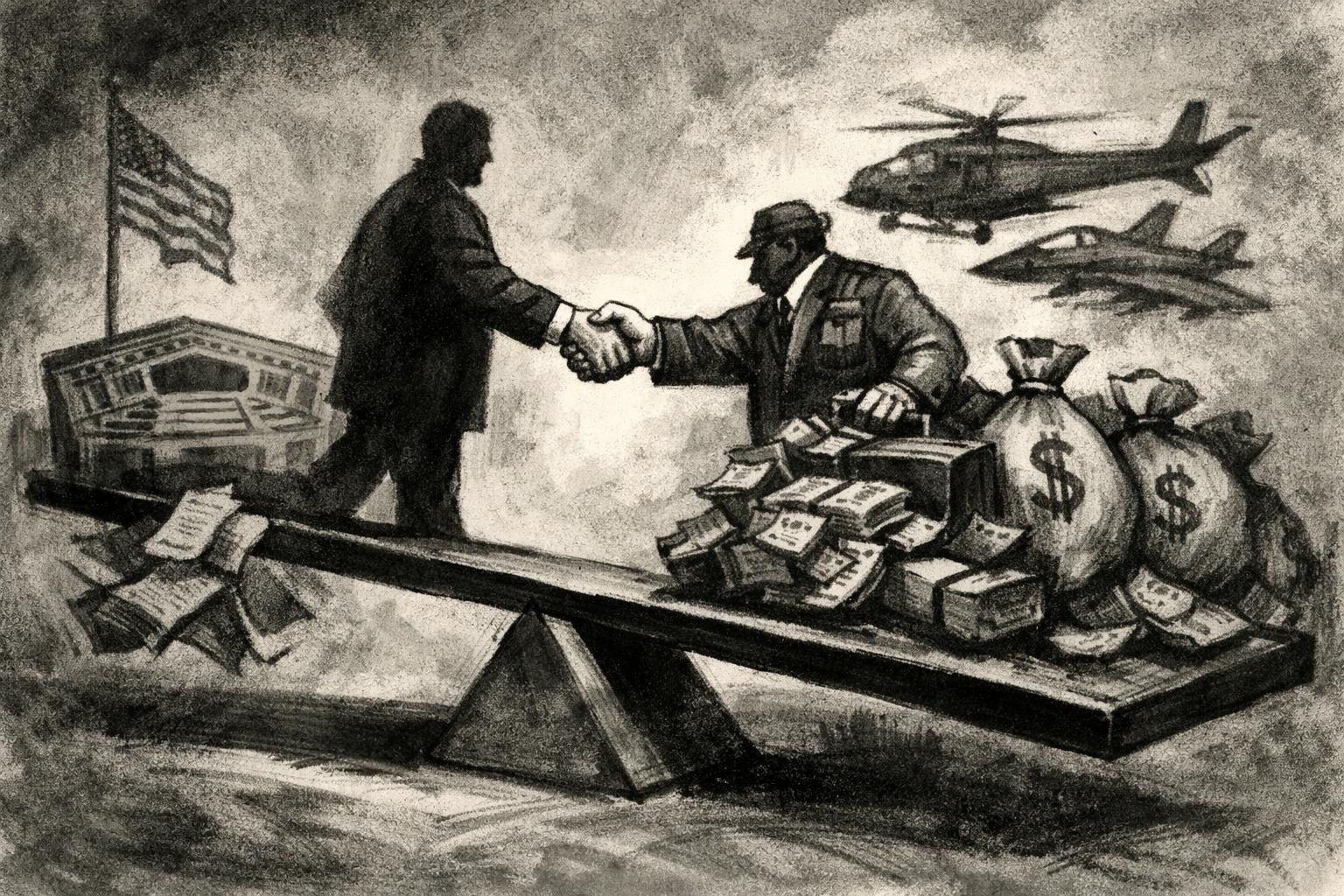
Sierra Nevada Company, LLC has agreed to pay $7.75 million to resolve False Claims Act allegations that it was operating with an organizational conflict of interest, according to a federal watchdog announcement. The core allegation is the kind that makes procurement officers uneasy and compliance lawyers reach for the nearest binder: a company employee who also served as a government official is said to have participated personally and substantially in work that ultimately benefited the contractor. In plain English, the government believes the lines between public duty and private gain were blurred in a way that should not happen inside a federal contracting pipeline. The company’s agreement to pay does not automatically prove every allegation in the government’s theory, but it does confirm that the matter was serious enough to warrant a formal resolution and a seven-figure check. In the defense world, where contracts are large, specialized, and often opaque to outsiders, even the appearance of this kind of conflict can be enough to trigger a major ethics headache.
What makes the settlement notable is not just the size of the payment, but the nature of the conduct the government says it was addressing. An organizational conflict of interest is not a garden-variety paperwork issue; it is a structural problem that can distort how bids are shaped, how work is steered, and who gets access to inside information. When a person occupying a government role also has a hand in contractor-side decisions, the risk is obvious even before anyone starts litigating over the details. The public is supposed to trust that federal contracts are awarded and managed on merit, not on personal relationships or side arrangements that sit just outside the formal chain of command. If the allegations are accurate, the setup would have created exactly the kind of backdoor advantage the conflict rules are designed to prevent. And if the allegations were less sweeping than they sound, the settlement still suggests the government saw enough vulnerability in the arrangement to treat it as a real compliance failure rather than a harmless overlap.
The case also underscores a larger problem in defense procurement: the system depends on experts, and experts often move in and out of government, consulting, and industry roles. That revolving-door reality can be legitimate when handled correctly, but it also creates a steady stream of opportunities for self-dealing, favoritism, and accidental or deliberate ethics violations. Agencies need specialized vendors, and contractors need people who understand the government’s machinery, which means the same small pool of people can end up wearing multiple hats over time. The harder the work is to explain to the public, the easier it becomes for bad judgment to hide inside technical complexity. That is why conflict disclosures matter so much; they are one of the few tools available to catch problems before they become fully baked into a contract. When those disclosures fail, or when the people involved treat them as a box-checking exercise, the result is not just a legal exposure but a credibility problem for the entire procurement process. A settlement like this does not prove the whole system is rotten, but it does show how quickly trust can erode when private interests and public authority are allowed to overlap.
The federal watchdog’s announcement gives the story a strong foundation, which is why the confidence level is relatively high despite the inherent limits of a settlement resolution. The government has stated its theory, the company has agreed to pay, and the matter is now closed in financial terms even if the underlying conduct remains disputed or only partially described. What remains less clear is how far the alleged conflict reached, how long it persisted, and whether it reflected one narrow lapse or a broader compliance culture that missed warning signs. Those are the kinds of questions that usually linger after a False Claims Act resolution, especially when the facts involve a public official on one side and a defense contractor on the other. Still, the takeaway is immediate and unpleasant: the government saw enough risk to extract a settlement, and the amount involved is large enough to suggest this was no trivial clerical error. For a contractor doing business with the federal government, especially in a sector where ethics expectations are high and scrutiny can be unforgiving, that is the sort of mess that leaves a stain well beyond the final payment."}]}】}]}}```
Comments
Threaded replies, voting, and reports are live. New users still go through screening on their first approved comments.
Log in to comment
No comments yet. Be the first reasonably on-topic person here.