
Justice kept pushing denaturalization actions, deepening the civil-liberties fight
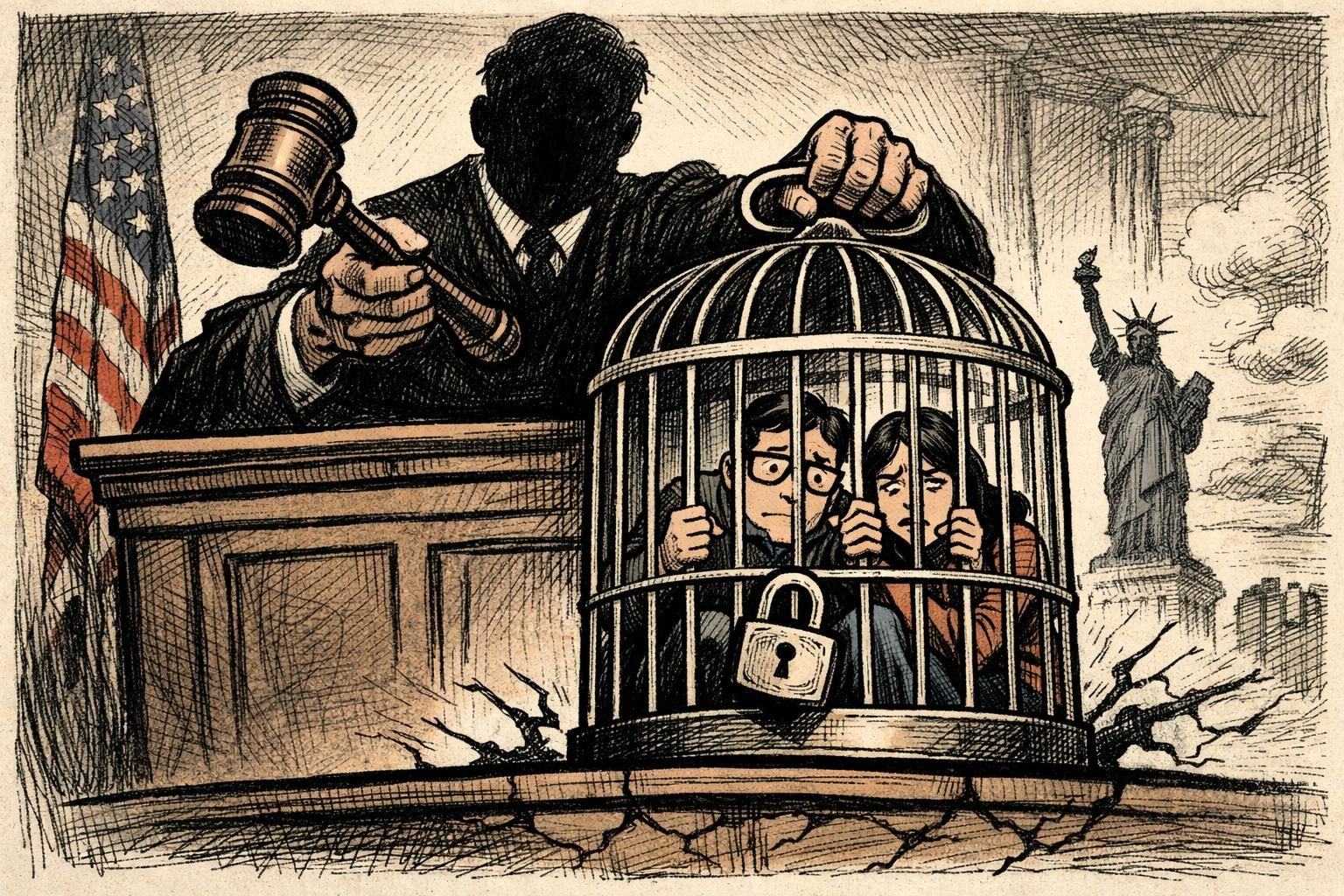
The Justice Department’s denaturalization push kept moving through the first week of August, turning what had already been a hard-edged message into a set of concrete legal actions with real courtroom consequences. In one filing, federal prosecutors said they were moving to revoke the U.S. citizenship of 10 naturalized people whom the department described as criminals, including one child, underscoring how far the government is willing to go when it frames citizenship as something that can be revisited and stripped away. That is not a minor shift in tone. It places a highly protected legal status at the center of an enforcement campaign that has been presented as part immigration crackdown, part fraud-fighting drive, and part warning shot to anyone the government believes obtained citizenship improperly. The significance is not just the number of cases, but the symbolism of the tactic itself: once the state starts treating naturalization as reversible, the line between administrative enforcement and something far more punitive becomes harder to see. For critics, that is exactly the problem, because citizenship is supposed to be the endpoint of a legal process, not a standing condition that can be reopened whenever prosecutors choose.
That is why the latest actions matter beyond the individual cases. The denaturalization strategy is not a new invention, but these filings make the administration’s priorities more tangible and harder to dismiss as rhetoric. A department can talk tough about immigration enforcement for months without changing the practical balance of power very much, but when it begins to file specific cases aimed at revoking citizenship, it creates a record that can be litigated, scrutinized, and used politically. Supporters of the approach are likely to argue that the government is simply correcting fraud and making sure that people who lied their way through the naturalization process do not keep a benefit they never should have received. They will describe the campaign as accountability, not overreach. Opponents, meanwhile, are likely to see something much more alarming: a selective and potentially chilling use of the federal government’s power that can cast suspicion far beyond the people named in the complaints. Even if the government has legal authority to pursue some denaturalization cases, the broader question is whether a tough-on-immigration posture becomes an excuse to stretch that authority into a broader political message.
The Department of Labor also drew attention in the same period with its own enforcement announcement, reinforcing the larger pattern of agencies leaning into investigations that can be folded into a crackdown narrative. The department’s inspector general said it had released a press statement on July 8, adding to the week’s steady stream of government actions that treat workplace fraud, eligibility issues, and related enforcement matters as part of a bigger effort to police compliance. On its face, that kind of action is narrower than denaturalization, but together they contribute to a shared theme: the federal government is signaling that it wants to challenge people not only at the border or in the visa system, but deep inside the paperwork and legal status that govern everyday life. That approach may appeal to officials looking to project seriousness, especially on immigration-related fraud, but it also broadens the civil-liberties stakes. Once the government makes legal status itself a target, every agency filing and every new case becomes part of a larger argument about how much pressure the state can place on immigrants and naturalized citizens before enforcement starts to look punitive rather than corrective. The fact that these actions are landing in public view at the same time makes it easier for critics to argue that the crackdown is not an isolated burst of zeal but a coordinated governing style.
The practical effect is to force a larger conversation about what the law is meant to protect and how aggressively the government can revisit settled status. Naturalization is not supposed to be a casual privilege; it is the culmination of a formal process that confers full membership in the political community, and the prospect of revoking it raises obvious due-process concerns. That does not mean denaturalization is automatically illegitimate in every case, and the government will likely insist that it is pursuing only the most serious matters where the evidence justifies action. But the burden of proof is not the only issue. There is also the matter of consistency, fairness, and proportionality, especially when the government’s public posture suggests a desire to deter broadly rather than simply resolve specific instances of fraud or criminal conduct. Immigration lawyers, civil-rights advocates, and lawmakers are likely to keep pressing those concerns because the consequences extend beyond the defendants in any single case. A campaign that treats citizenship as something fragile enough to be stripped away in the name of toughness inevitably invites suspicion that the real objective is not just correction, but intimidation. Whether the courts narrow that effort or allow it to continue will shape not only the fate of the people named in these cases, but also the boundaries of how far the federal government can go when it decides that citizenship itself is part of the enforcement battlefield.
Comments
Threaded replies, voting, and reports are live. New users still go through screening on their first approved comments.
Log in to comment
No comments yet. Be the first reasonably on-topic person here.