
FAA’s rogue-operator blitz keeps adding to the pile of aviation headaches
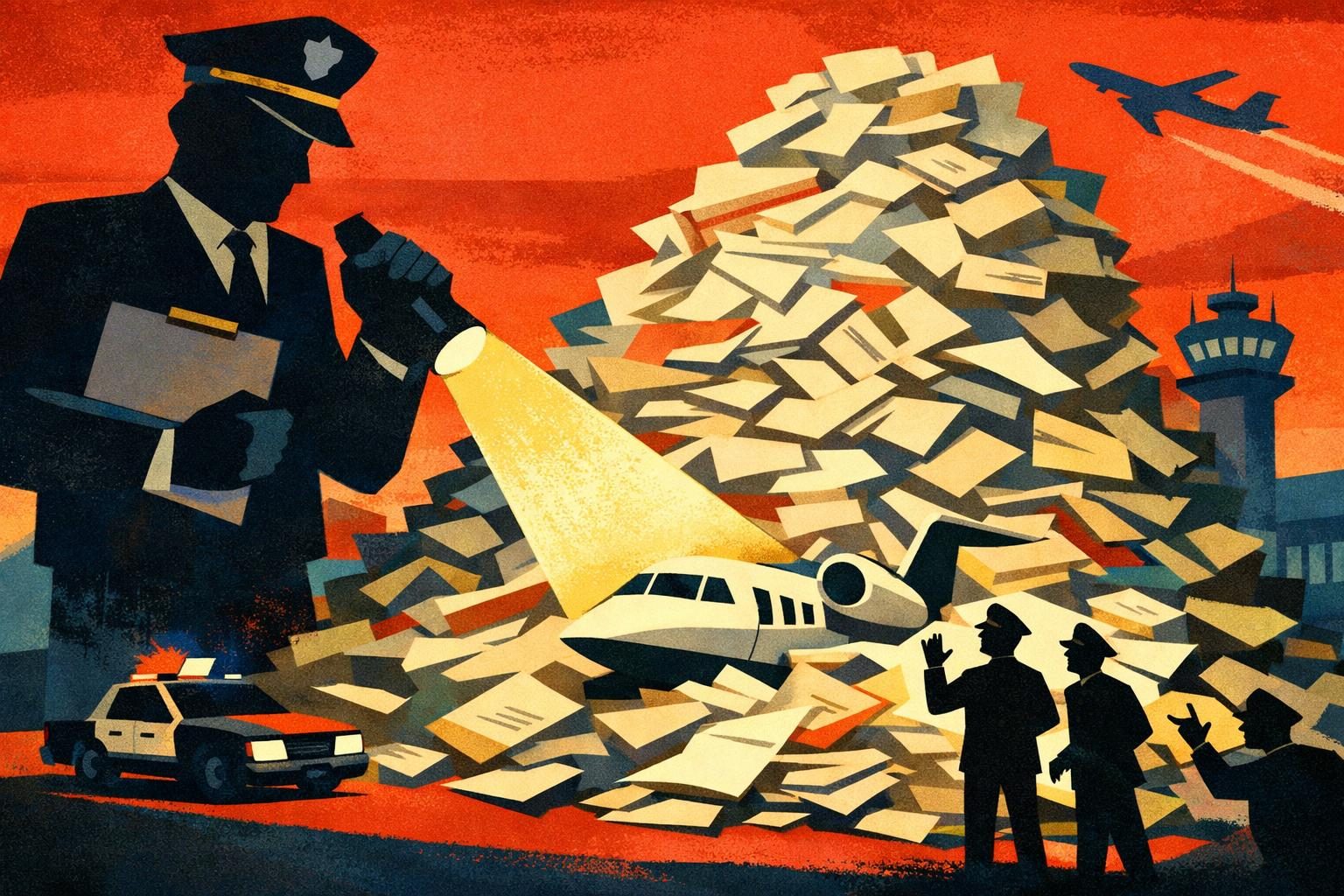
The Federal Aviation Administration’s enforcement tracker has picked up another fresh 2026 action, this time involving Planet Nine Private Air and alleged international flight violations, adding one more line to a list that is already long enough to suggest a sustained campaign rather than a one-off correction. The public entry is the hard fact that matters here: the agency is still actively posting new rogue-operator enforcement actions, and the latest update falls inside the August 8-9 window. On its face, that may sound like the sort of administrative detail that only aviation lawyers could love, but the underlying issue is much bigger than a line on a government webpage. Illegal or improper charter activity can hide behind polished branding, premium cabins, and confident sales pitches until regulators start asking pointed questions. When that happens, the difference between a legitimate operator and a bad actor can be measured not just in paperwork, but in whether passengers, crew members, and the traveling public are exposed to avoidable risk.
That is why the FAA’s rogue-operator program exists in the first place, and why a new enforcement action should be read as part of a continuing compliance effort rather than as a symbolic gesture. The agency has spent years warning that some operators may try to market flights that do not actually meet the regulatory requirements for charter service, international operations, or other safety-related rules that are easy to overlook if nobody is checking. The public tracker is not a full case file, and it does not pretend to tell the whole story, but it does confirm that the FAA is still identifying conduct it believes warrants enforcement. In the dry language of federal oversight, that is routine. In practical terms, it means the agency is still finding alleged violations worth pursuing, which is not especially comforting if you prefer your aviation system to function without a constant need for corrective action. The pattern also reinforces the idea that this is not about one isolated company or one isolated flight; it is about a broader effort to keep the charter market from drifting into a gray zone where legality becomes optional. The FAA’s willingness to keep updating the list suggests the pressure is ongoing, not episodic.
The current record does not, based on the public material available here, point to a splashy courtroom battle, a major political feud, or an imminent industry shake-up. That keeps the severity in a modest range, even though the subject itself is serious. Aviation enforcement often works exactly this way: the headline is small, the paperwork is dense, and the consequences only become obvious when a company loses business, faces a fine, or is forced to defend its practices under regulatory scrutiny. A new action against an operator like Planet Nine Private Air matters because charter firms rely heavily on trust, access, and the assumption that customers are not going to audit compliance documents before boarding. If the FAA believes that trust has been abused, then the agency’s response can ripple outward far beyond a single enforcement notice. Operators can lose contracts, brokers can become more cautious, and travelers who thought they were buying a simple private flight may discover that the regulatory side of the deal is anything but simple. That is especially true in international flying, where compliance questions can become more tangled and the stakes can rise quickly if the operation crosses borders, jurisdictions, or categories of service.
The broader picture is that transportation regulation only seems sleepy until something goes wrong, and then everyone suddenly notices the value of the boring people doing the checking. The FAA’s rogue-operator blitz is, at bottom, an attempt to keep aviation from turning into a marketplace where safety is treated as a negotiable feature instead of a baseline obligation. A fresh enforcement action does not solve the underlying problem, but it does show that the agency is still active and still willing to chase alleged violations as they appear. That matters whether the case ends in a civil penalty, a settlement, a corrective order, or some other administrative outcome that never makes much noise outside the industry. It also matters because the absence of a dramatic public fight should not be confused with the absence of risk. The system works best when violations are caught early and pressure is applied before something more serious happens. For now, the new Planet Nine entry suggests the FAA is still doing exactly that, one case at a time, while the pile of aviation headaches keeps growing in the background.
Comments
Threaded replies, voting, and reports are live. New users still go through screening on their first approved comments.
Log in to comment
No comments yet. Be the first reasonably on-topic person here.