
Federal court pauses in fresh health-care fight, keeping the pressure on the administration
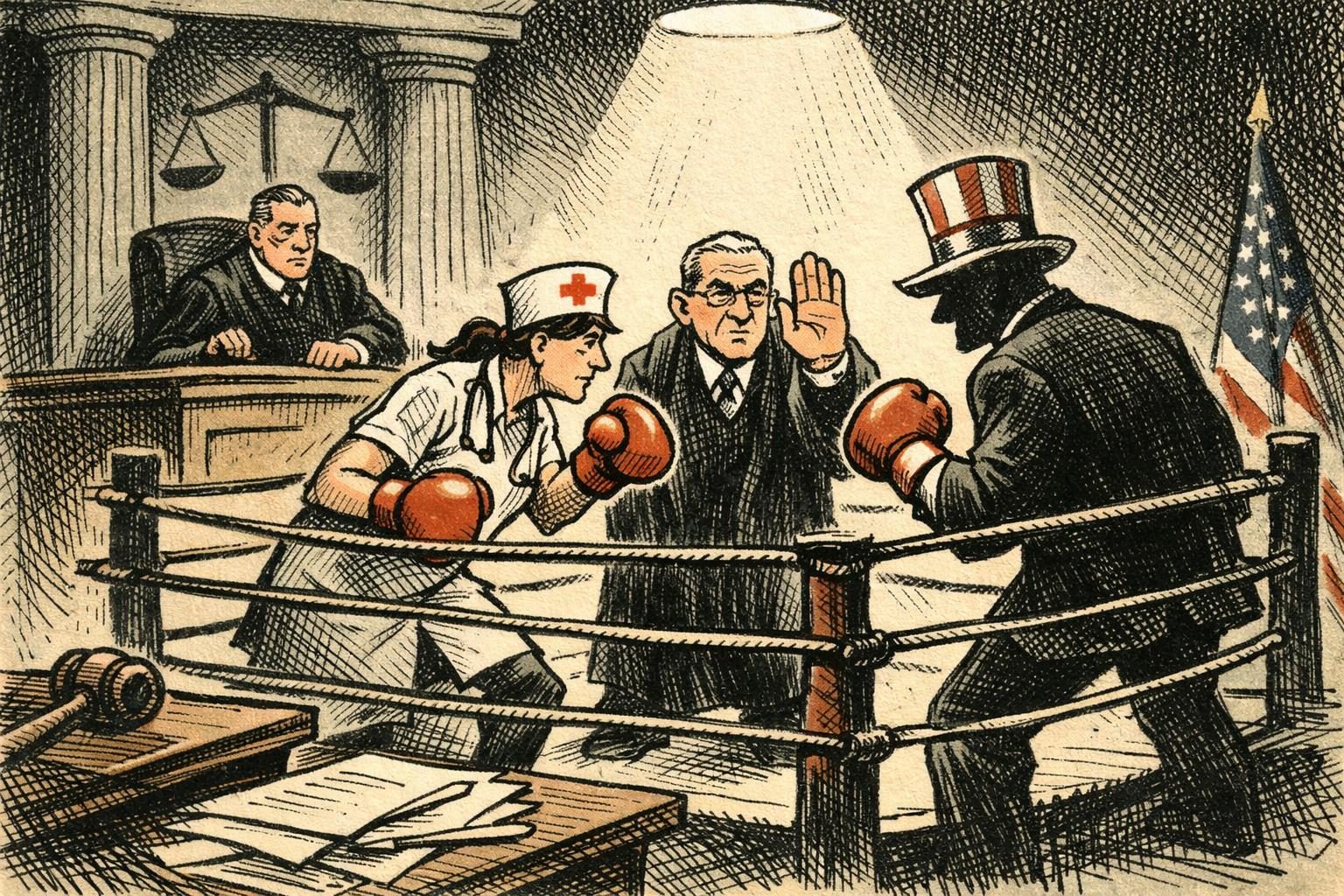
A federal court action on Aug. 8 injected another layer of uncertainty into an already snarled fight over health policy, giving the administration a temporary pause but not the kind of clean win that would make the dispute go away. The immediate effect was procedural rather than dramatic, yet the broader signal was clear: whatever latest move Washington has made on coverage, agency authority, or the rules that govern both is not likely to escape further judicial scrutiny. For insurers, state officials, providers, and patients, that means the same thing it always means when a major health-policy question lands in court—more waiting, more hedging, and more effort spent trying to read a moving target. The legal calendar may treat this as one more order among many, but in practice it adds to the sense that the policy environment is being rewritten in real time. In a sector where predictability is supposed to be one of the main virtues, the administration has again helped turn stability into a temporary condition at best.
The reason this matters goes beyond the usual Beltway drama over who won a procedural skirmish. Health policy is one of the few areas where a court fight can quickly turn into a direct operational problem for people who had no role in creating the dispute. Coverage rules can shift. Reimbursement decisions can be delayed. Agency guidance can become shaky the moment a court questions the authority behind it. States and regulated industries then have to decide whether to follow the government’s current line, prepare for a reversal, or spend money on contingency plans that may never be needed. That kind of uncertainty is not merely frustrating; it can produce real-world disruption for patients who need stable access and for providers who have to keep their systems functioning while the legal ground keeps moving. It is difficult to overstate how much of the cost in these fights is paid not in headlines, but in administrative confusion and lost time.
The latest judicial move also fits a broader pattern that has become familiar during the Trump era’s regulatory wars. The administration has often tried to press ahead aggressively on contested policy fronts, only to find that the courts are asked to sort out the aftermath when the legal foundation looks thinner than the political rhetoric suggested. Critics see that as governance by brinkmanship: set the policy course first, force everyone else to react, and then leave judges to clean up the mess once challengers arrive. Supporters, by contrast, are likely to argue that the court is intruding on executive discretion or slowing down legitimate efforts to reshape health policy. But that defense loses some force when the same kinds of moves keep generating repeated litigation. At a certain point, a steady stream of emergency filings stops looking like coincidence and starts looking like a sign that the underlying approach is unstable. And in health care, instability is not an abstract constitutional theory. It is a planning problem, a budget problem, and, for some people, a treatment problem.
What happens next will depend on whether this Aug. 8 action proves to be a narrow procedural pause or the opening step in a longer judicial slowdown. If the administration ultimately keeps its position intact, the fight still may drag on because opponents are unlikely to accept the policy as settled, especially if the court’s reasoning leaves room for more challenges later. If the order expands or hardens into a more serious obstacle, the administration could take a reputational hit for pushing a position that judges are willing to treat as legally fragile in a policy area where stability matters enormously. Either way, the practical result is more filings, more arguments, and more uncertainty for the people trying to operate under the rules. That is why this kind of case matters even when the first order is only temporary. It can freeze decisions, force agencies to defend themselves on multiple fronts, and prolong confusion well beyond the day the ruling is handed down. For now, the court has not settled the broader health-care dispute. It has simply made sure the administration has to keep fighting for its version of events, and that the pressure on Washington is not going away anytime soon.
Comments
Threaded replies, voting, and reports are live. New users still go through screening on their first approved comments.
Log in to comment
No comments yet. Be the first reasonably on-topic person here.