
Federal court hands a major agency rule a fresh beating
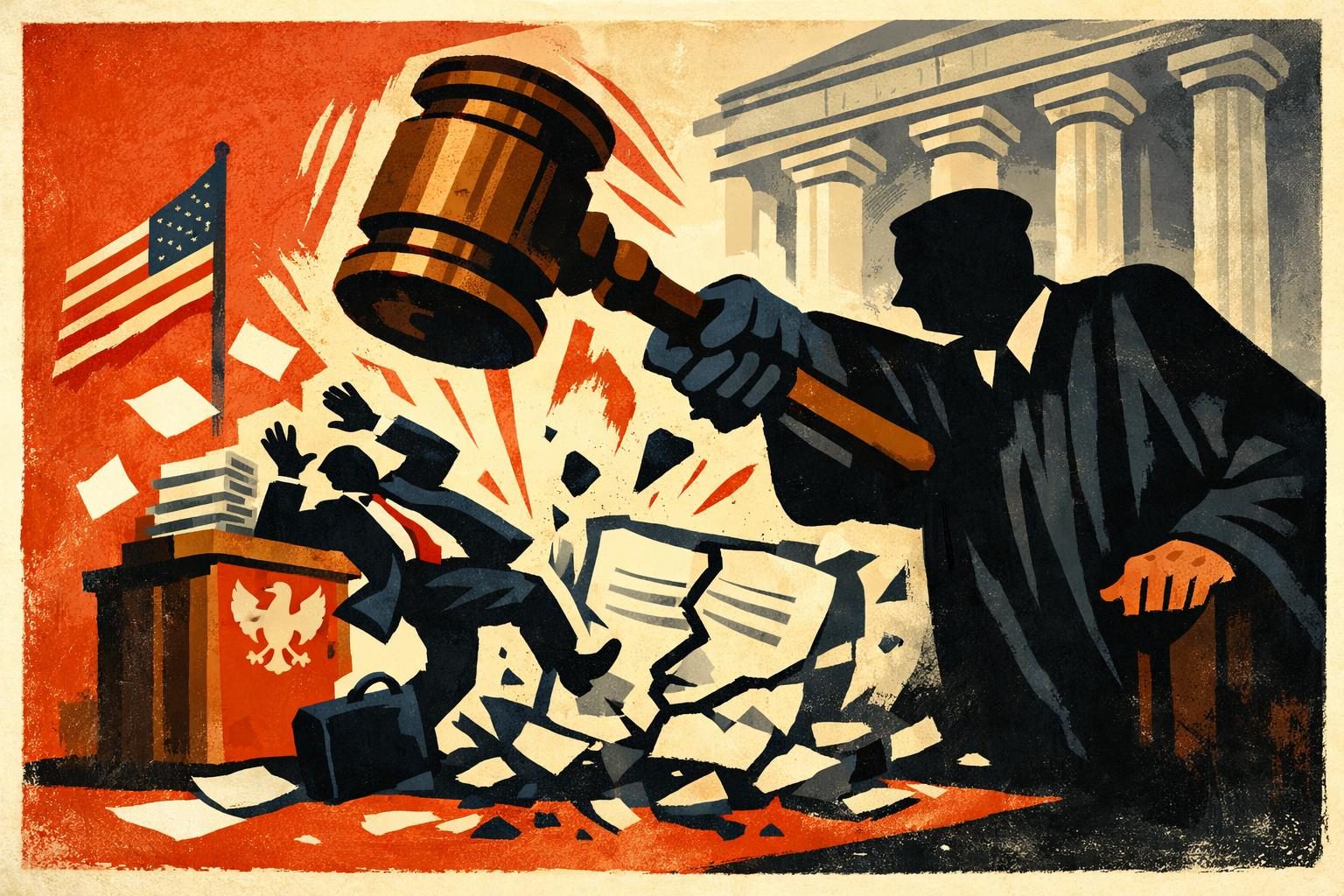
A federal court handed the administration a fresh and very public reminder that a major agency rule is not as secure as officials have been trying to present it. On August 8, the ruling created an immediate legal setback that did more than slow the policy down; it reopened the fight over whether the government had built the rule on solid enough legal ground in the first place. That kind of decision matters because it shifts a policy from the realm of routine implementation into the far more dangerous zone of active litigation. Once judges start identifying a defect in the rulemaking or enforcement path, the debate changes shape for everyone involved. The agency is no longer simply carrying out a completed policy; it is now defending the basic legitimacy of the policy itself.
The practical consequences of that kind of court action can spread quickly. A ruling like this can freeze parts of implementation, force agencies to rethink timelines, and make officials choose between continuing to enforce a rule or pausing while lawyers sort out the opinion. It also hands critics a concrete judicial finding they can use to argue that the policy was rushed, overextended, or built on shaky legal assumptions. That is especially awkward for an administration that may have spent months describing the rule as settled and durable. When a court instead identifies a meaningful problem, the official message of certainty gets replaced by uncertainty, and the gap between political messaging and legal reality becomes much harder to ignore. Regulated industries, states, and advocacy groups are then left to guess which pieces of the policy will survive the next round of review.
There is also a broader political cost when a court exposes weaknesses in a high-profile rule. Opponents gain a new talking point, and they usually do not waste time using it to argue that the executive branch overreached or moved too fast. State officials and lawmakers who already disliked the policy can now point to the judicial setback as proof that the administration was trying to govern by improvisation rather than by durable legal authority. Even if the agency ultimately salvages parts of the rule, the setback itself can still do damage by forcing revisions, slowing enforcement, and inviting more challenges from litigants who now believe the government is vulnerable. That makes the ruling more than a narrow procedural skirmish. It becomes part of the larger fight over how much major policy can be built through agency action before courts step in and force the government to justify every move.
The episode also fits a larger pattern in which major policy battles are increasingly being settled, at least temporarily, in courtrooms rather than in the normal course of governance. The more aggressively an administration pushes a rule, the more likely it is to run into a legal wall that interrupts implementation and creates months of damage control. That cycle is now familiar: announcement, challenge, injunction or setback, and then a scramble to defend, revise, or narrow the policy before the next round. The political embarrassment can linger long after the legal questions are resolved, because a court decision is an official reminder that the government may have overplayed its hand. In that sense, the August 8 ruling is not just a bad day for one agency. It is another sign that when the legal scaffolding under a major rule is weak, even a policy sold as settled can turn into a liability almost overnight.
Comments
Threaded replies, voting, and reports are live. New users still go through screening on their first approved comments.
Log in to comment
No comments yet. Be the first reasonably on-topic person here.