
Federal election-power lawsuit gets another round of movement
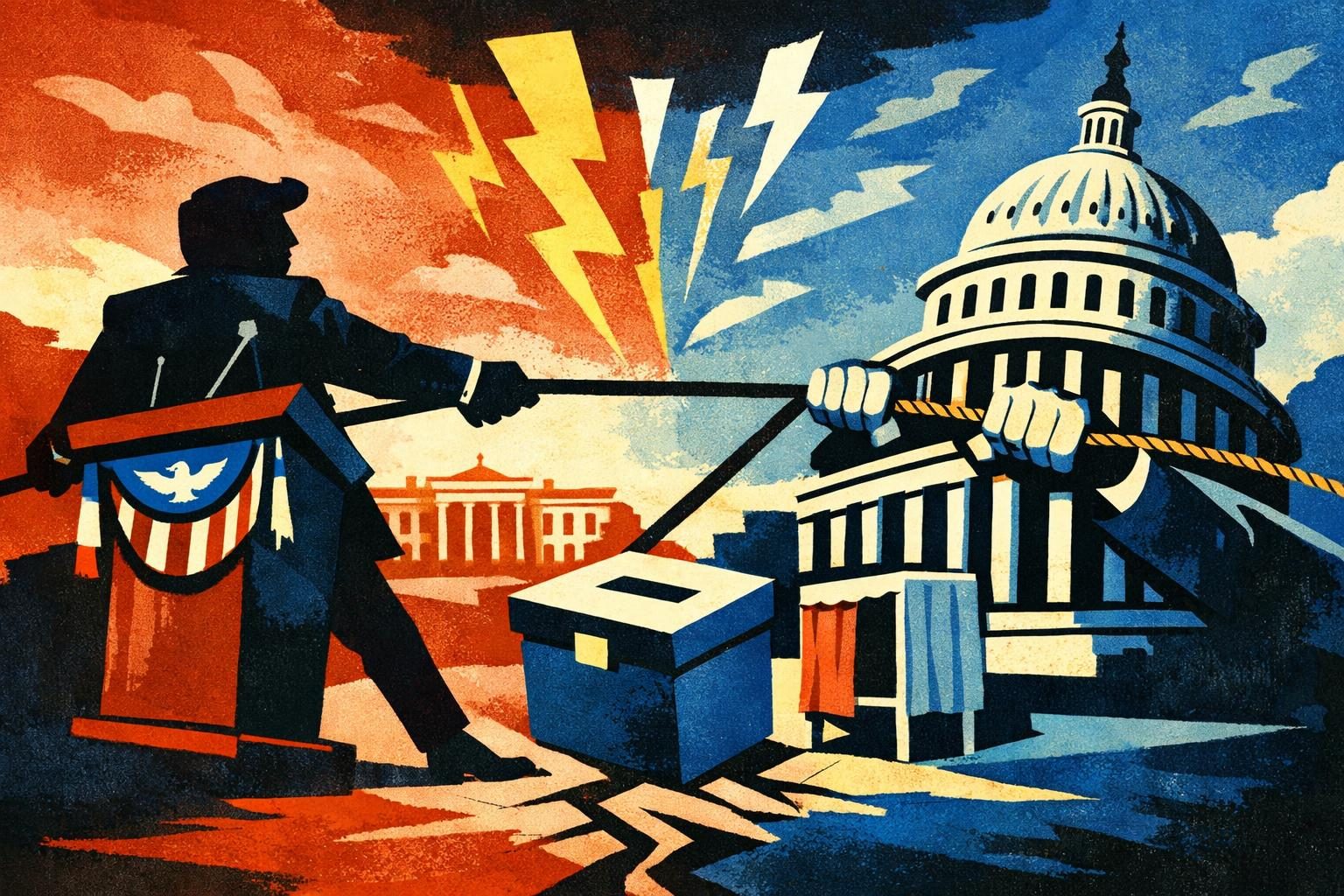
A federal fight over election rules moved forward again on Aug. 8, 2026, keeping alive one of the most consequential constitutional disputes of the year: how much control the Trump administration can exert over the mechanics of voting. The latest development added fresh momentum to a case already shaping the legal boundaries between federal authority and state-run elections. It did not settle the matter, but it did ensure the conflict remains active and politically charged at a moment when election administration is already under intense pressure. The dispute sits at the intersection of federalism, voting access, and the administrative machinery that decides whether Americans can register, cast ballots, and have those ballots counted under stable rules. For states and voting-rights plaintiffs, the issue is not abstract constitutional theory; it is a live struggle over who gets to write the rulebook for the 2026 cycle.
That is why the newest court movement matters beyond the narrow legal docket. The administration’s push on election policy has become a direct test of whether Washington can impose its preferences more deeply on the states’ election systems, or whether those systems remain primarily the domain of state officials. The practical implications run through the everyday processes that voters rarely see but depend on constantly, including voter registration maintenance, ballot access procedures, mail voting rules, and the timing of election administration decisions. When litigation forces judges to step in, it can create uncertainty for state election officials who need clarity well before ballots go out and deadlines close. Campaigns, too, are affected, since they rely on predictable rules to plan turnout operations, recruit volunteers, and communicate with voters. In that sense, each new filing, order, or court ruling has consequences that reach far beyond the legal arguments themselves.
The administration’s defenders have framed its election agenda as an effort to strengthen integrity and tighten the procedures that govern how elections are run. Critics see something else: an effort to use federal power to shape the voting environment in ways that could make it harder for some people to participate and easier for officials to police the process from above. That clash has sharpened because election law is not just about theory anymore; it is about operational control. If federal officials can direct how states manage key parts of the voting system, that would represent a major shift in the balance of power. If courts block those efforts, they reinforce the idea that election administration remains largely a state responsibility, even when Washington tries to move the boundary. The newest development does not answer that question, but it keeps the criticism of the administration’s approach front and center, especially among those who view the effort as part of a broader attempt to rework the voting process to its advantage.
Recent developments from California illustrate just how concrete the fight has become. State officials there have described the ruling blocking the unlawful election executive order as a victory for democracy, and the attorney general said the court action marked another win in the effort to stop the administration’s election-power push. Those reactions show how deeply the issue has landed among state leaders who see their authority over elections as something worth defending in court, not merely negotiating over in policy discussions. The legal back-and-forth also underscores the uncertainty that now shadows election administration nationally. States want final answers before the next round of deadlines arrives, not a moving target shaped by emergency litigation and shifting federal directives. For now, the case remains alive, the constitutional stakes remain high, and the administration’s election agenda continues to serve as a flashpoint in the wider struggle over who controls American democracy’s basic procedures.
Comments
Threaded replies, voting, and reports are live. New users still go through screening on their first approved comments.
Log in to comment
No comments yet. Be the first reasonably on-topic person here.