
Hawaii’s primary lands in the shadow of a corruption scandal
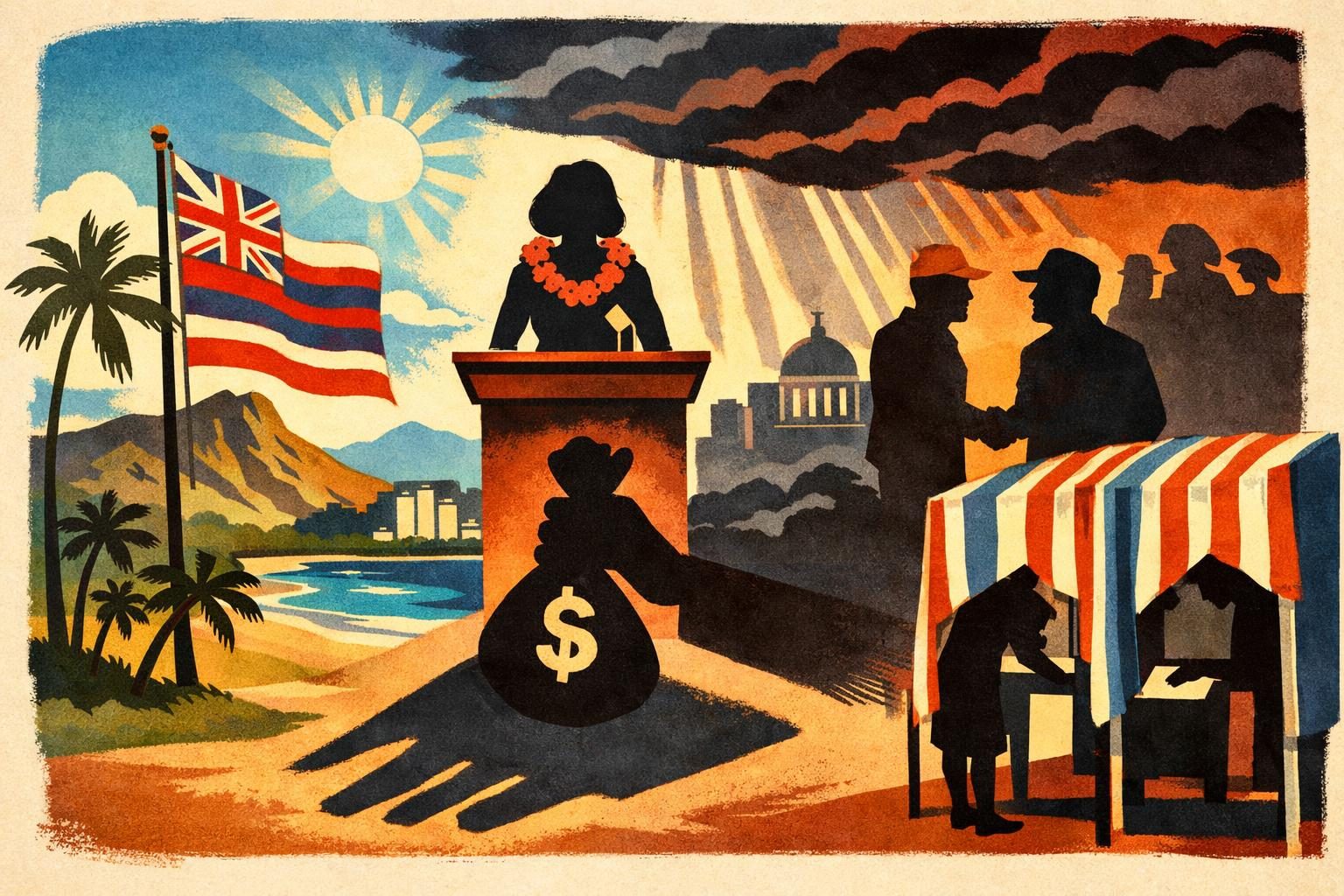
Hawaii voters headed to the polls on Saturday in a primary election that was already carrying more drama than most of the state’s politics usually invite. The contest unfolded in the shadow of a corruption case tied to Lt. Gov. Sylvia Luke, whose legal troubles have pushed the otherwise low-key lieutenant governor’s office into the middle of the state’s political conversation. In a place where elections are often shaped by personal ties, organizational loyalty and the slow grind of local reputation, a bribery allegation hanging over a top official can change the tone of a race long before the first votes are counted. That was especially true here, where the primary was not only about choosing nominees, but also about whether voters were willing to absorb yet another reminder that even Hawaii’s comparatively insulated political culture is not immune from scandal. The result was a ballot that looked routine on paper but felt like a stress test for the state’s political order.
The attention around Luke made the lieutenant governorship more consequential than the office usually is. In many states, a race for lieutenant governor can feel like an afterthought, a secondary contest tucked behind the governor’s race and a handful of higher-profile local fights. In Hawaii, though, the role suddenly became a proxy for questions about accountability, institutional decay and the durability of the Democratic establishment. Luke was charged in connection with alleged bribery linked to her 2022 campaign, and that alone was enough to put every move around the succession fight under a harsher spotlight. Even without a final legal outcome, the allegations created a political burden that could not be shrugged off with a standard appeal to experience or party loyalty. Once a scandal reaches that level, voters are no longer simply weighing resume lines; they are deciding whether the people who have managed the state can still be trusted to manage themselves.
The primary also served up a separate warning for Democrats who assume that backing Trump-era priorities carries no real risk at home. A longtime Democratic member of Congress who supported one of Donald Trump’s major legislative priorities faced a tougher-than-usual primary challenge, a sign that some parts of the party base still notice when one of their own helps move the other side’s agenda forward. That dynamic matters in Hawaii because the state’s electorate is deeply Democratic, but it is not automatically forgiving. Local voters can be pragmatic, and they can reward seniority, but they also tend to care about whether elected officials appear aligned with the state’s political identity. When a Democrat gets too comfortable with a Republican president’s signature priorities, even once, the offense can linger. The challenge to that member was less about ideology in the abstract than about whether the base believed the lawmaker had crossed a line that local Democrats are not eager to ignore.
Taken together, the scandals and side fights turned the primary into something more than a simple nomination contest. Hawaii’s political system is small enough that reputations travel quickly and relationships matter in a way they often do not in bigger, more fragmented states. That can make incumbency powerful, but it also means a damaging narrative can spread fast and linger. Labor-backed spending and establishment endorsements still matter here, yet they are not absolute shields when the broader story turns sour. Voters were left to sort through a ballot that mixed the usual local considerations with larger questions about corruption, party discipline and whether the state’s political class has gotten too comfortable assuming that old loyalties will hold no matter what. Even in a state that often avoids the more feverish kind of mainland political combat, this race made clear that scandal can still break through.
What happens next will be judged first through the usual electoral metrics: turnout, margins and whether the corruption cloud changes the shape of the fight around Luke’s office. But the longer-term impact could be more revealing than any single result. If the allegations continue to deepen, they may harden into a broader story about institutional rot rather than a one-off legal problem tied to a single campaign. The primary also showed how national politics can seep into a state race in indirect but potent ways, especially when Democrats are already on edge about loyalty and discipline. Hawaii may prefer to keep its politics low-key, but on this primary day the state ended up offering a small, concentrated version of the larger American mess: a corruption scandal at the top, a party base testing its limits, and a political class discovering that even in paradise, the circus can still arrive uninvited.
Comments
Threaded replies, voting, and reports are live. New users still go through screening on their first approved comments.
Log in to comment
No comments yet. Be the first reasonably on-topic person here.