
ICE says every field agent will get a body camera, but the agency still wants the remote control
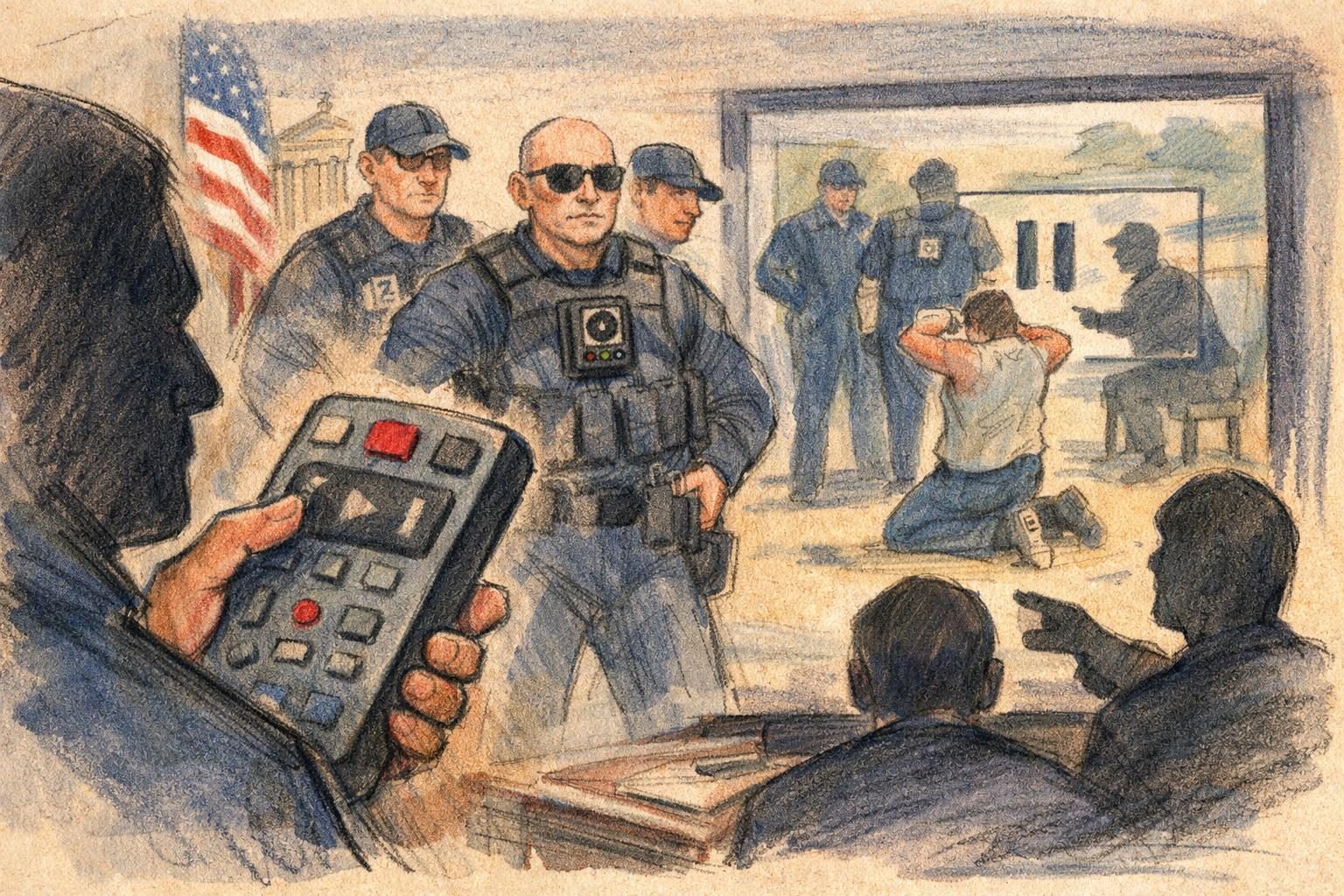
Immigration and Customs Enforcement says it plans to equip every field officer and agent with a body camera by the end of August, a rollout the agency is presenting as a major step toward transparency at a moment when its work is drawing intense scrutiny. On its face, the move is the kind of reform that tends to sound unambiguous: more video, more records, more public visibility into how federal immigration enforcement is carried out. In an era when the agency is taking on a larger and more visible role in domestic policing, that promise carries obvious political and legal weight. But the value of body cameras depends almost entirely on how the footage is handled after the lights come on, and that is where ICE’s new policy immediately becomes more complicated. The agency is promising a clearer window into its operations while retaining broad authority to decide when that window is shaded, delayed, or effectively closed.
The central problem is not whether cameras exist, but who controls what they show. ICE has said the footage can be withheld or delayed under a range of circumstances, including when the agency believes disclosure would not serve its interests, even in situations involving serious injuries or deaths in custody. That discretion matters because body cameras are only a meaningful accountability tool if the public can rely on them to document events rather than merely decorate press releases. The agency’s stated justifications include privacy concerns, ongoing investigations, and federal law, all of which can be legitimate considerations in some cases. But those same justifications can also become a flexible shield whenever officials would rather avoid embarrassment, criticism, or a deeper review of conduct. If the public is told that the cameras will bring openness, but the agency keeps the final say over what is released and when, the policy starts to look less like reform and more like managed visibility.
That is why the rollout lands amid broader unease about immigration enforcement tactics and the administration’s growing appetite for aggressive policing. ICE is operating in a political environment where every high-profile arrest, detention, and use-of-force allegation is likely to be examined through a partisan lens, but the need for real documentation is not partisan. Advocates for civil liberties and immigrant rights are likely to focus less on the existence of cameras than on the release rules, because those rules determine whether footage can actually answer hard questions about what happened in the field. The phrase “best interests of the agency” may sound bureaucratic, but it gives leadership enormous room to decide which incidents remain hidden from public view. That is a serious concern when the underlying episodes may involve force, injury, separation of families, or other events that the public has a strong interest in understanding. In that sense, the policy is not just about technology; it is about whether ICE intends to accept scrutiny or simply improve the appearance of it.
The broader fight here is familiar in Washington: transparency theater versus actual disclosure. Officials can announce a body-camera rollout and point to it as evidence of reform, and that claim will likely be repeated in official messaging and in political attacks from opponents. Yet cameras do not automatically produce accountability if the institution controls the narrative, the timeline, and the release criteria. The agency can say it has embraced sunlight while still keeping the blinds within reach, and that distinction is exactly what critics are likely to seize on. If footage is released selectively, delayed until controversy has cooled, or withheld on grounds that are difficult for the public to verify, then the cameras risk becoming a public-relations device rather than an oversight tool. ICE may well complete the rollout by the end of August, but the harder question is whether the footage will ever function as an independent record of what officers and agents actually did. Until that is clear, the policy looks less like a clean break with secrecy than another example of a government promising transparency while reserving the power to define it on its own terms.
Comments
Threaded replies, voting, and reports are live. New users still go through screening on their first approved comments.
Log in to comment
No comments yet. Be the first reasonably on-topic person here.