
Senate punts the shutdown gun under the table — for now
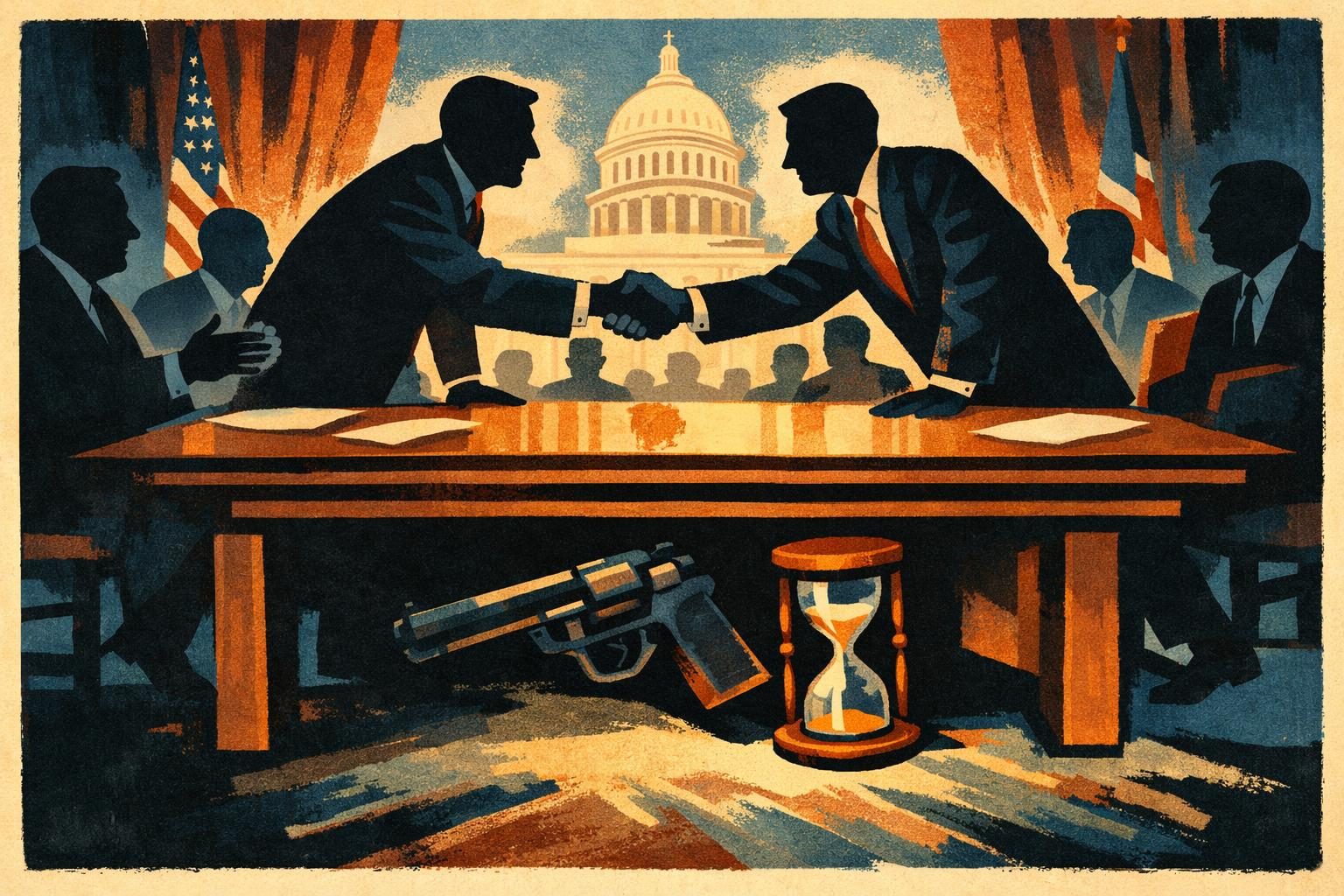
The Senate spent the overnight hours doing the least dramatic thing Congress can do in a crisis: averting an immediate one. By approving a short-term spending measure, lawmakers pushed the threat of a federal shutdown off the edge of the calendar and bought themselves a few more weeks to keep arguing about the next big mess. The bill would keep federal agencies funded into early December, which means the lights stay on for now and the political blame game gets postponed rather than resolved. That may not sound like much of an accomplishment, but in a town that often mistakes brinkmanship for governance, clearing even this low bar counts as a practical win. It also means the government can limp toward the holidays without the kind of last-minute closure that usually makes everyone involved sound surprised by their own jobs.
The vote reflected a familiar Washington truth: when the alternative is being accused of engineering a shutdown, plenty of lawmakers suddenly discover an appreciation for compromise. There was real bipartisan appetite to avoid an early collapse before the recess, even if that willingness arrived after days of public posturing over spending levels, border-related conditions, and what the White House wanted tucked into the bill. The final package stripped out some of the most contentious issues, leaving behind the sort of temporary fix that is easier to pass precisely because it solves so little. Democrats had warned that administration officials wanted additional flexibility and new constraints tied to border enforcement and grant programs, while Republicans faced their own internal pressure not to hand Democrats an easy talking point. In the end, both sides settled for a measure that says more about exhaustion than consensus.
That is why the result should be understood less as a governing triumph than as a controlled skid away from the ditch. The Senate’s action shows that the White House still retains considerable leverage over a Republican Congress that often seems more interested in avoiding blame than in setting a durable agenda. It also shows how little room there was for a larger deal, despite the public framing of the dispute as a fight over priorities and principle. What got passed was enough to keep agencies open, but not enough to settle the underlying argument over spending, policy riders, and executive influence over how money is used. Those fights have not disappeared; they have merely been loaded into a later calendar slot and handed a fresh deadline. In the meantime, lawmakers can claim they prevented a shutdown without having to admit that they have only delayed a larger confrontation.
The political upside for Congress is obvious, at least in the narrow sense that no one wants to head home for recess with the federal government blinking out behind them. Members can now leave town without immediately owning a shutdown they could have avoided, which is a low standard but still a standard. Yet the deeper picture is less reassuring, because this episode leaves behind the same unresolved tensions that have defined so many budget fights in recent years. There will be more battles over spending, more fights over border policy, and more opportunities for both parties to turn basic appropriations into campaign material. For now, the House still has to finish the job and the president still has to sign the measure, and those steps appear routine only because Congress has already used up most of the drama before the finish line. The broader lesson is that Washington can still perform a basic act of self-preservation, but only after spending days threatening to make a spectacle of itself first. That is not a governing model so much as a survival instinct with a public-relations problem.
Comments
Threaded replies, voting, and reports are live. New users still go through screening on their first approved comments.
Log in to comment
No comments yet. Be the first reasonably on-topic person here.