
Senate hands Todd Blanche the Justice Department after a bumpy confirmation fight
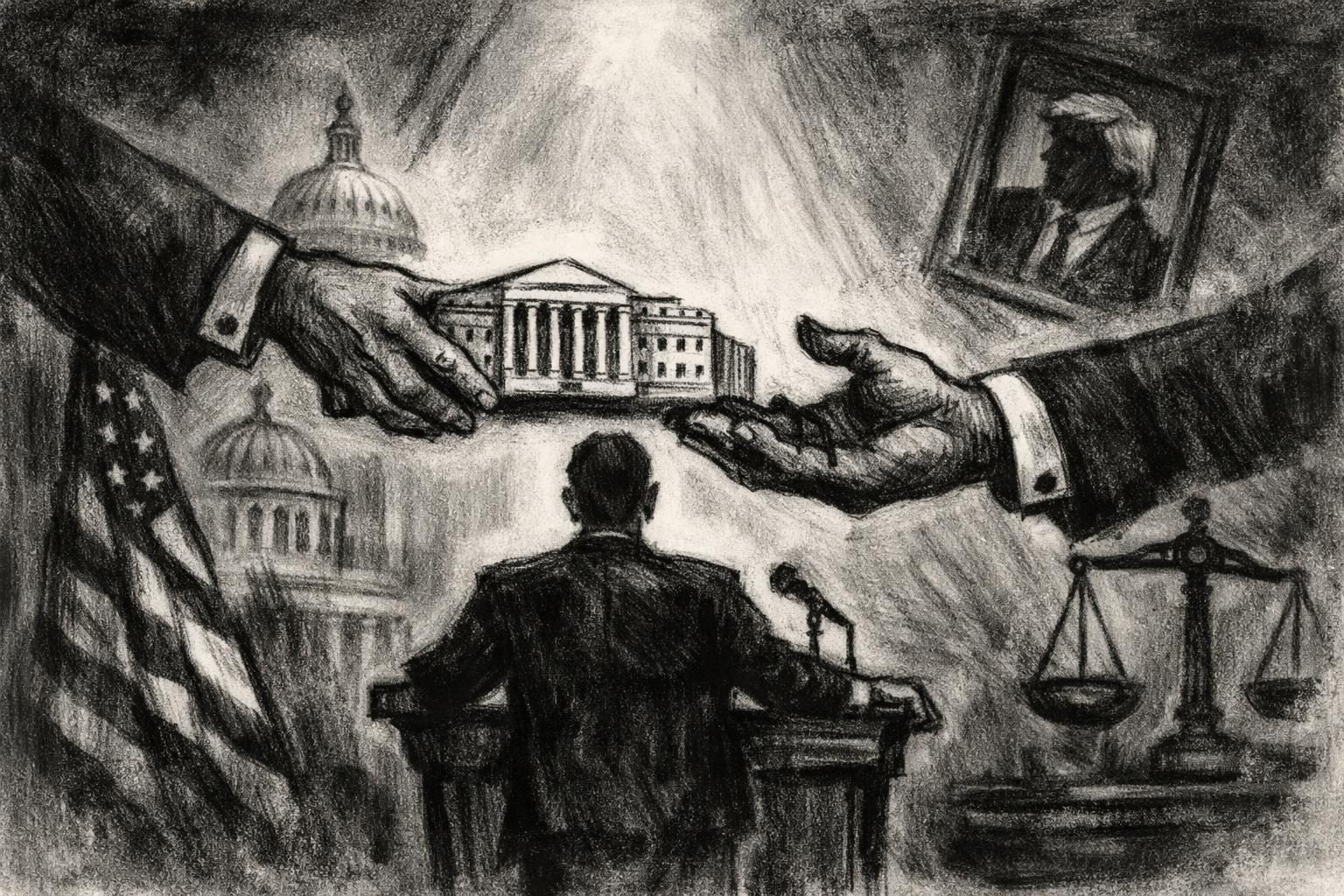
The Senate on August 8 confirmed Todd Blanche as attorney general, handing President Donald Trump a loyal and deeply personal choice for the Justice Department’s top job after a confirmation fight that exposed how awkwardly Republicans are trying to balance institutional calm with Trump’s appetite for retribution. Blanche, one of Trump’s former personal lawyers, now formally takes control of a department that has been at the center of the president’s promises to punish enemies, reward allies and reverse what he and his allies describe as years of political abuse inside federal law enforcement. The vote ended a stretch of messy internal debate that had turned the nomination into something larger than one Cabinet post. It became a test of whether Senate Republicans were willing to absorb political embarrassment in order to complete another piece of Trump’s broader takeover of the executive branch. In the end, enough of them decided that stopping Blanche would have created more trouble than allowing him through.
The roughest part of the confirmation fight centered on the administration’s push to remake the Justice Department around the idea that it has been “weaponized” against conservatives and Trump himself. That theme has been one of the president’s most reliable political tools, even if the evidence for the sweeping version of that claim is disputed and often depends on who is doing the arguing. Blanche entered the process as a figure who was already trusted by Trump, which made him attractive to the White House and immediately suspect to critics who saw the nomination as another step toward turning the department into an instrument of presidential will. Inside the Senate GOP, the question was not only whether Blanche was qualified on paper, but whether confirming him would lock lawmakers into endorsing the larger project he was being asked to carry out. The longer the fight went on, the more it looked like a referendum on whether there were any real limits left on Trump’s effort to reshape federal law enforcement from the inside.
What ultimately cleared the path was Blanche’s decision to formally abandon the proposed anti-weaponization compensation fund, a move that eased some of the anxiety among Republican senators who had been hearing from donors, activists and colleagues worried about the optics of creating a mechanism tied so directly to Trump’s grievances. The fund had become a particularly sensitive flash point because it suggested not just a rhetorical campaign against political bias, but a concrete structure that could be used to reward favored allies or signal that the department was preparing to settle scores. Pulling it back gave wavering senators a way to vote yes without looking like they had signed off on the most combustible version of the plan. Even then, the choice was less about confidence than containment. The Senate was not exactly embracing a smooth or unifying nomination; it was trying to stop the argument from metastasizing into a broader party crisis. Once the fund was scrapped, the remaining path was mostly a matter of avoiding another round of public conflict that would have highlighted just how much Trump continues to dominate Republican decision-making.
Blanche’s confirmation now clears the way for a more aggressive ideological overhaul at Justice, though the exact shape of that overhaul will depend on how far he is willing to go and how much resistance he encounters inside the department. As attorney general, he inherits a sprawling institution with enormous leverage over criminal investigations, regulatory enforcement and the federal government’s legal posture in court. That gives him the ability to influence not only the cases that get priority, but also the tone and culture of the department itself. Supporters are likely to cast his arrival as a correction after years of supposed bias, while critics are likely to view it as a warning that the department is being pulled closer to direct political control. What is already clear is that the Senate’s vote did not resolve the underlying conflict over what Justice is supposed to be. It simply handed Trump another loyalist and forced his party to live with the consequences. For Republicans, the Blanche fight was another reminder that the president’s demands still set the terms of governance, even when the process gets bumpy enough to expose the strain. And for the Justice Department, it marks the start of a new phase in which the line between legal stewardship and political enforcement may become even harder to see.
Comments
Threaded replies, voting, and reports are live. New users still go through screening on their first approved comments.
Log in to comment
No comments yet. Be the first reasonably on-topic person here.