
Senate’s judicial confirmation fight hits another wall
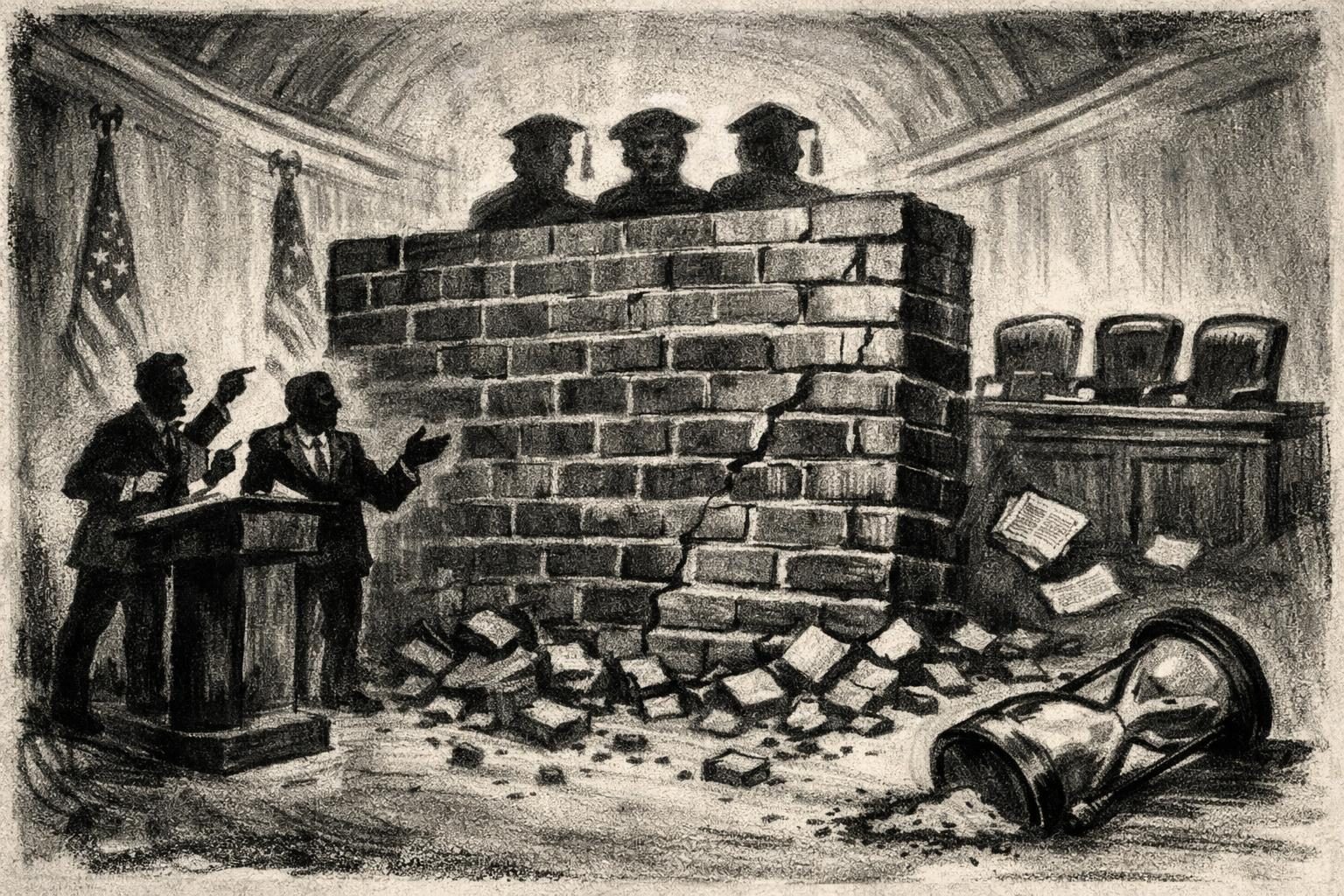
The Senate stumbled again on August 8, 2026, in a confirmation fight that turned less on the merits of any particular judge and more on the chamber’s inability to move routine business without tripping over its own procedures. What should have been a basic governing function instead became another exercise in delay, counter-delay, and procedural leverage. The immediate dispute centered on judicial nominations, but the larger story is the same one that keeps resurfacing whenever the Senate handles lower-court picks: the chamber has made it far too easy for a few members to slow the machinery down to a crawl. That may satisfy partisan instincts in the moment, but it does nothing to change the underlying reality that federal courts still need judges to function. And when the Senate cannot complete one of its most elemental tasks without converting the floor into a tactical minefield, the problem is not just political theater; it is a failure of institutional maintenance.
The stakes are bigger than the irritation of one stalled vote. Federal judges shape the legal landscape in cases involving voting rights, labor disputes, immigration policy, environmental regulation, criminal justice, and challenges to executive action. When vacancies linger, litigation slows, dockets thicken, and important disputes sit unresolved while the calendar keeps moving. That delay matters most in cases where timing is everything, including emergency injunctions and civil-rights claims that can affect people long before a full trial ever happens. In practice, the Senate’s paralysis can tilt the justice system not by openly choosing winners and losers, but by leaving seats empty long enough for the consequences to accumulate. A body that cannot process nominations efficiently is not simply being difficult; it is quietly deciding how much strain the courts will be forced to absorb. Over time, that kind of drift can reshape the judiciary just as surely as a more explicit political campaign.
There is plenty of blame to go around, and that is part of what makes the situation so corrosive. Republicans and Democrats alike have spent years treating judicial confirmations as ammunition in a broader war over control of the courts, and each side has learned to see delay as a form of leverage. That does not mean every obstruction is equally justified, or that every objection is just cynical performance. Some senators genuinely believe the stakes are high enough to warrant hardball tactics, especially when nominations are tied to larger fights over constitutional interpretation or administrative power. Still, the present mess underscores how far the chamber has drifted from the basic idea that advising, consenting, and confirming are supposed to be governing acts rather than opportunities for perpetual hostage-taking. The longer the Senate normalizes slowdown as a default strategy, the more it invites the next round of retaliation. That cycle does not just make the chamber look broken; it makes it function that way.
The practical consequences are already visible in the federal judiciary’s workload, and they are likely to keep building if the Senate continues to treat confirmation fights as a permanent state of siege. Understaffed courts mean longer waits for litigants, more backlogs for judges who are already stretched thin, and more uncertainty for people whose lives depend on timely rulings. Civil-rights plaintiffs, workers, immigrants, and businesses do not get to pause their problems while the Senate indulges its own procedural wars. Even where vacancies eventually get filled, the damage from months of delay does not simply disappear; it lingers in the cases that were postponed, the motions that sat unresolved, and the emergency requests that had to be decided without a full bench in place. The chamber can call this a tactical standoff if it wants, but that label does not change what is happening on the ground. It is a structural screwup with lasting effects, and it keeps forcing the courts to pay the price for the Senate’s inability to do the job it is constitutionally supposed to do.
Comments
Threaded replies, voting, and reports are live. New users still go through screening on their first approved comments.
Log in to comment
No comments yet. Be the first reasonably on-topic person here.