
College-sports overhaul misses the vote and lands in September purgatory
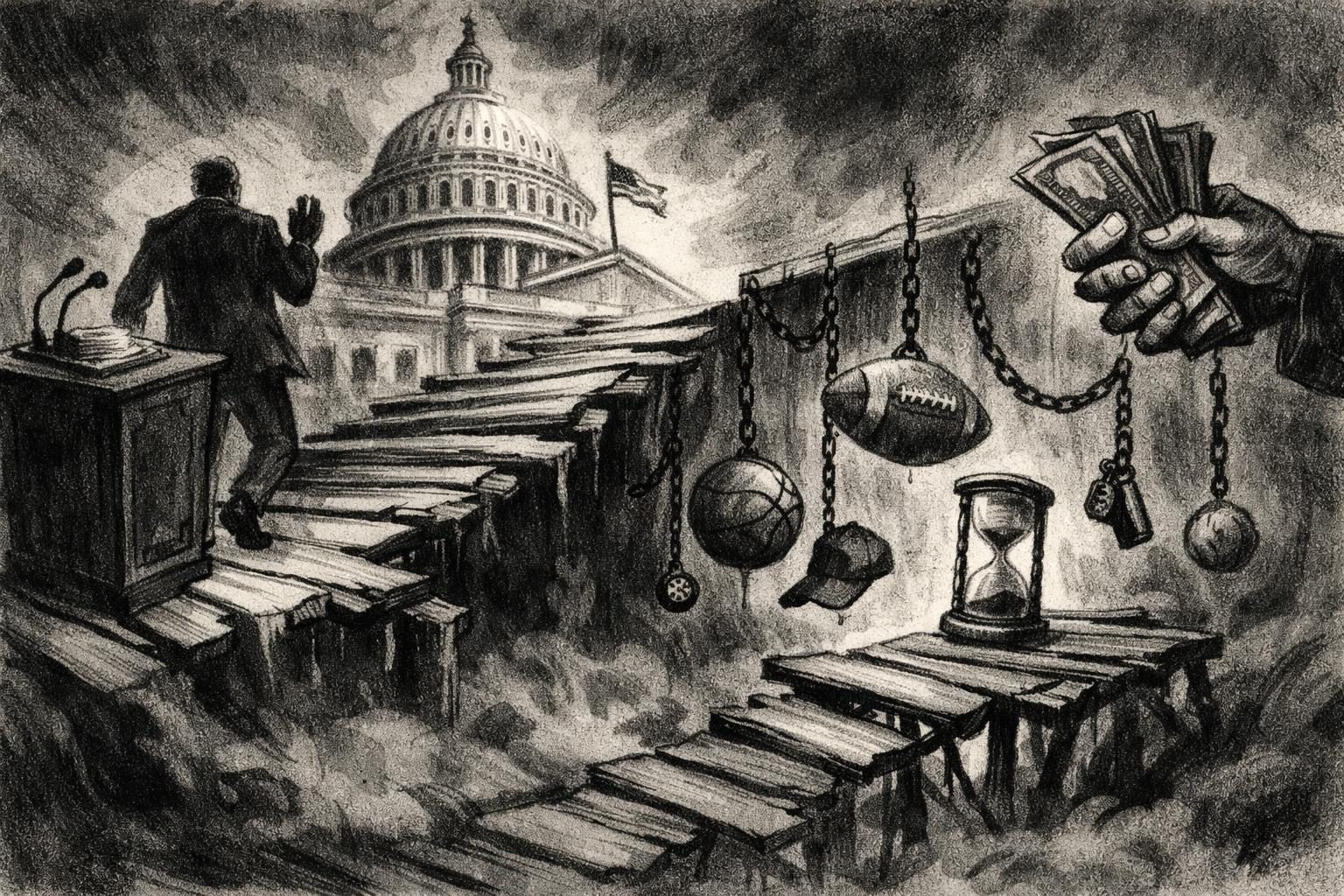
The Senate’s bid to rewrite the rules of college athletics ran out of runway on August 8, leaving the Protect College Sports Act stranded before it could get a final vote. After months of lobbying, closed-door bargaining, and a little late-stage horse-trading, the measure had managed to survive long enough to land on the calendar for next month. But being scheduled and being decided are very different things in Washington, and senators did what they so often do when a hard problem starts demanding a real answer: they let the clock win. The result is not a dramatic collapse so much as a familiar kind of legislative drift, with a politically noisy issue kicked past recess and into the hazy promise of September. For a system already buckling under new financial realities, that delay matters.
The bill was supposed to give college sports some federal guardrails at a time when the entire enterprise is being pulled in multiple directions at once. Schools are trying to stay competitive, conferences are trying to preserve their own power, athletes are trying to capture some share of the value they help create, and the courts have already pushed the old amateur model into history’s scrap pile. In that sense, the legislation was a response to a problem everyone can see but nobody agrees how to fix. College athletics has become a high-dollar, high-conflict business, and the rules governing recruiting, compensation, and roster movement have turned into a patchwork of shifting expectations and uneven enforcement. A federal framework was supposed to bring order to the chaos. Instead, the failure to reach final passage leaves the chaos in place and gives every stakeholder another month or more to argue over who should be protected, who should be limited, and who should be left to sort it out in court.
The politics behind the stall are as messy as the policy itself. Supporters of the bill have argued that the current situation is not sustainable and that Congress has a responsibility to set basic rules before the money race gets even more out of control. They see a market that is already producing instability in recruiting, uneven spending, and uncertainty around athlete compensation, with no national standard to keep schools from gaming the system in different ways. Skeptics, meanwhile, have worried that the proposal still gives the biggest programs too much room to bend the rules in their favor or to preserve advantages they already enjoy. That split helps explain why the measure could be close enough to move yet still not close enough to clear the Senate. It is one thing to agree that college sports is in trouble. It is another to agree on which fix is least likely to create a different kind of trouble.
For now, the practical outcome is simply more limbo. Schools and conferences will keep operating under a legal and financial environment that changes faster than the lawmakers trying to govern it. Athletes will keep navigating a world where compensation rules, eligibility questions, and recruiting incentives can feel unstable from one month to the next. And Congress will get another chance to declare that September will be more productive than August, which is often a way of saying that the hard part has merely been postponed. There is no suggestion here of a constitutional crisis, and no one is pretending this is the nation’s biggest emergency. But it is still a meaningful failure to turn broad frustration into durable policy. In a sector awash in money and short on coherence, the Senate’s missed vote does not settle anything. It only confirms that everyone knows the system is broken, and no one yet has enough agreement, urgency, or political courage to fix it before the next deadline rolls around.
Comments
Threaded replies, voting, and reports are live. New users still go through screening on their first approved comments.
Log in to comment
No comments yet. Be the first reasonably on-topic person here.